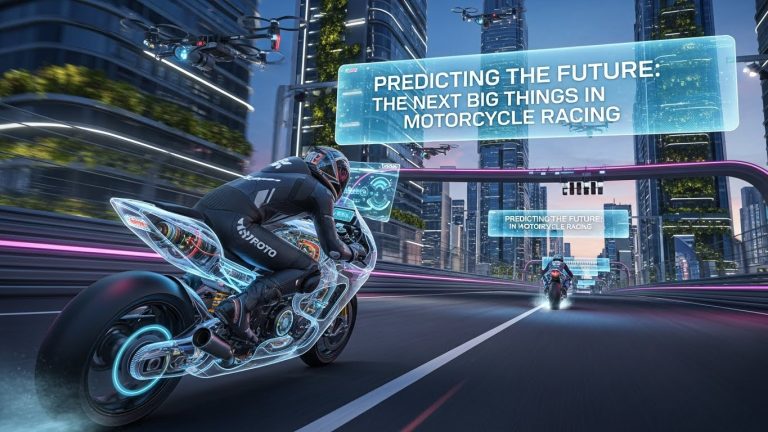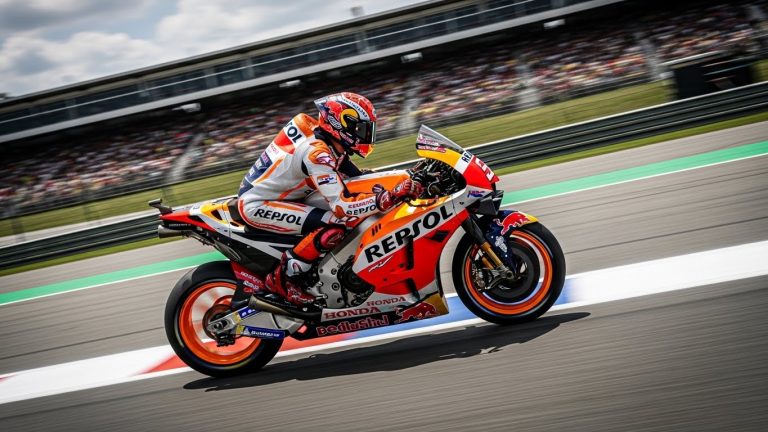
The Intersection of Technology and Motorcycle Racing: How Innovations are Shaping the Sport
In recent years, the world of motorcycle racing has undergone a remarkable transformation fueled by rapid technological advancements. From cutting-edge materials to sophisticated electronic systems, technology is reshaping the sport, enhancing both performance and safety. This evolution is not just about going faster; it’s about achieving a perfect harmony between man and machine. In this article, we delve into how various innovations are influencing motorcycle racing, the benefits they bring, and the challenges they pose.
The Role of Advanced Materials in Motorcycle Design
One of the most significant areas where technology has made a profound impact is in the materials used for constructing motorcycles. The introduction of lightweight yet strong materials such as carbon fiber and titanium has revolutionized motorcycle design. These materials allow manufacturers to reduce the weight of the bike, thereby enhancing speed and maneuverability.
Carbon fiber, known for its incredible strength-to-weight ratio, is now a staple in the construction of race bikes. It is used in various components, from the frame to the fairings, providing both durability and performance efficiency. Similarly, titanium alloys are used in exhaust systems and other components, offering corrosion resistance and weight reduction.
Electronics and Data Analytics: The New Frontier
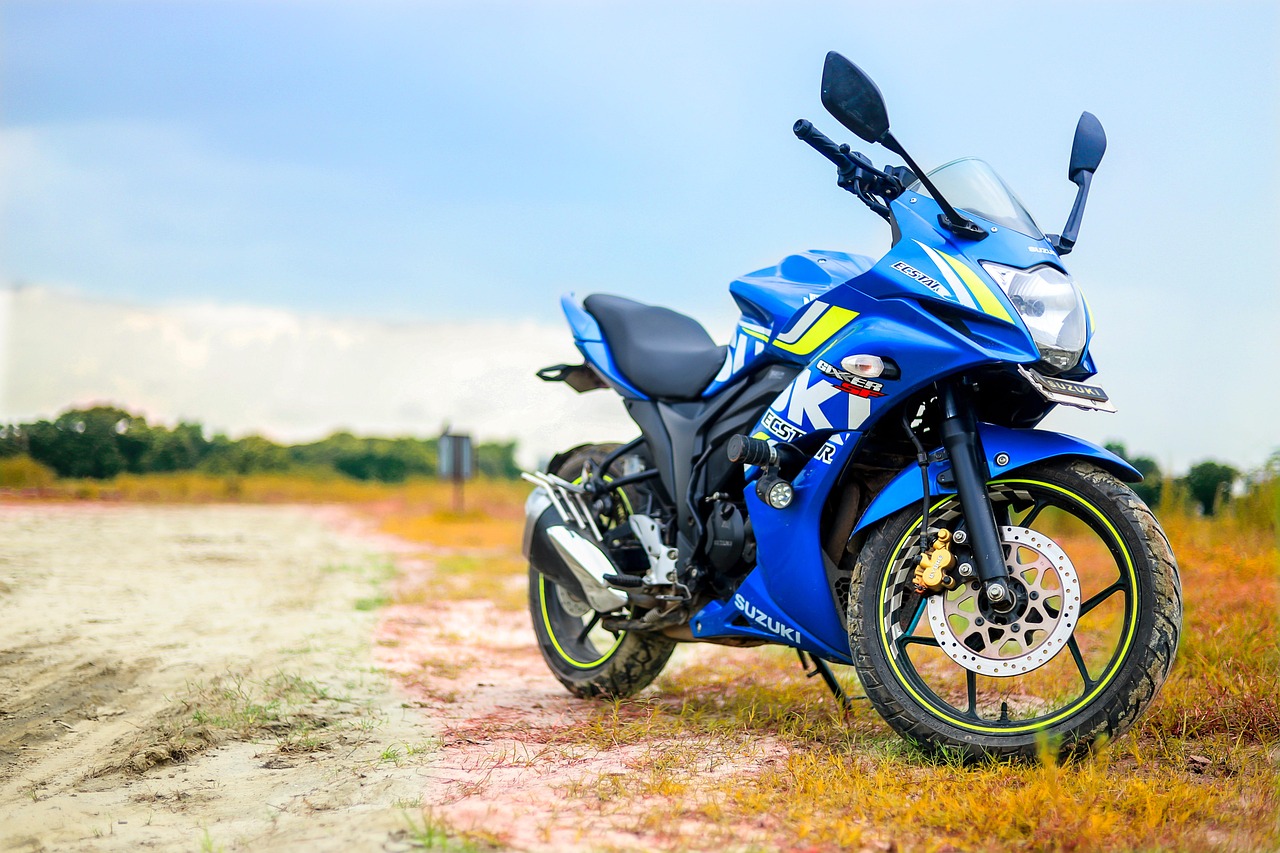
With the advent of sophisticated electronics, motorcycle racing has become a data-driven sport. Riders and teams now rely heavily on electronic systems and data analytics to optimize performance. These technologies provide insights into every aspect of the motorcycle’s operation, from engine performance to tire wear.
Electronic control units (ECUs) are at the heart of this transformation. These devices manage various functions such as traction control, launch control, and anti-wheelie systems, allowing riders to push their machines to the limit with greater confidence. Additionally, data analytics helps teams analyze performance data to make real-time adjustments during races, enhancing both strategy and execution.
Safety Innovations: Protecting Riders on the Track
While speed and performance are crucial, safety remains a top priority in motorcycle racing. Technological innovations have significantly improved rider safety, reducing the risk of serious injuries. One of the most notable advancements in this area is the development of airbag suits.
Airbag suits are designed to deploy in milliseconds upon detecting a crash, providing crucial protection to the rider’s neck, spine, and vital organs. These suits are equipped with sensors that communicate with the motorcycle’s ECU, ensuring precise deployment timing. This technology has been a game-changer in reducing injuries in high-speed crashes.
Moreover, advances in helmet technology have also contributed to rider safety. Modern helmets are equipped with materials like multi-directional impact protection systems (MIPS) that reduce rotational forces during impacts, offering enhanced protection for the brain.
The Impact of Aerodynamics on Performance

Aerodynamics plays a critical role in motorcycle racing, influencing speed, stability, and fuel efficiency. Recent developments in wind tunnel testing and computational fluid dynamics (CFD) have enabled manufacturers to design bikes with optimized aerodynamic profiles.
By analyzing airflow patterns, engineers can create fairings and bodywork that minimize drag and enhance downforce, resulting in improved stability at high speeds. The use of aerodynamic principles extends beyond the bike’s body to include rider positioning and gear, further augmenting performance.
Telematics and Real-Time Communication
The integration of telematics and real-time communication systems is another technological breakthrough in motorcycle racing. These systems enable seamless communication between riders and their teams during a race, allowing for strategic decisions based on real-time data.
Using GPS and telemetry data, teams can monitor the motorcycle’s position, speed, and performance parameters. This information is invaluable for making split-second decisions, such as when to pit or adjust strategies based on competitor positions. The ability to communicate effectively can be the difference between winning and losing in a highly competitive environment.
Challenges and Considerations
While the intersection of technology and motorcycle racing presents numerous opportunities, it also poses significant challenges. The reliance on electronic systems raises concerns about reliability and potential failures. A malfunction in critical systems like traction control can have dire consequences during a race.
Additionally, the cost of implementing advanced technologies can be prohibitive for smaller teams, leading to a disparity in the competitive field. Ensuring that all teams have access to essential technologies is crucial for maintaining the sport’s integrity and competitiveness.
Furthermore, as technology continues to evolve, there is an ongoing debate about the balance between rider skill and technological assistance. While technology enhances performance, purists argue that it may diminish the role of rider talent and intuition.
Takeaways
The intersection of technology and motorcycle racing is a dynamic and exciting frontier. Innovations in materials, electronics, safety, aerodynamics, and communication are transforming the sport, offering unprecedented opportunities for both performance and safety enhancements. However, navigating the challenges posed by these advancements requires careful consideration and a commitment to maintaining the sport’s core values.
As technology continues to evolve, it is essential for stakeholders in motorcycle racing to embrace these changes while ensuring that the essence of the sport remains intact. The future of motorcycle racing promises to be a thrilling ride, with technology and human ingenuity working in tandem to push the boundaries of what is possible on two wheels.
For more insights into the impact of technology on sports, explore how technology is transforming the world of sport and discover the latest trends and innovations shaping the future of athletic competition.
The ongoing dialogue between traditionalists and modernists in the sport of motorcycle racing reflects a broader conversation about the role of technology in competitive arenas. While some purists may argue that technological advancements can overshadow the raw skill and intuition required in racing, others see these innovations as necessary evolutions that enhance the sport’s excitement and accessibility.
The Future Landscape of Motorcycle Racing
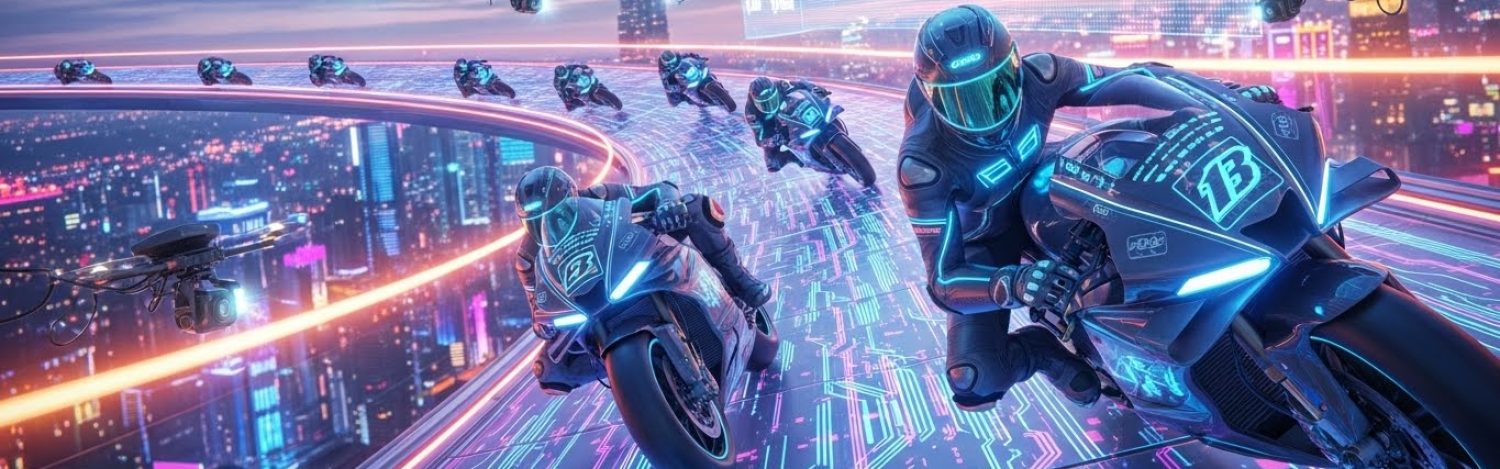
Looking ahead, the landscape of motorcycle racing is poised for even more transformative changes. Electric motorcycles are becoming a significant area of focus, driven by the growing emphasis on sustainability and the search for greener alternatives. Electric bike racing series are already gaining traction, offering a glimpse into a potentially electrified future for the sport.
Electric motorcycles offer unique challenges and opportunities. On the one hand, they promise quieter operation and lower emissions, aligning with global environmental goals. On the other, they require new technologies for energy storage and power management, as well as adaptations in race strategies to account for factors like battery life and charging times.
In addition to electrification, the concept of autonomous motorcycles is being explored. While the idea may seem futuristic, companies are actively developing self-balancing and self-driving motorcycles, potentially introducing new dimensions to racing. These innovations could lead to new racing formats and even redefine what it means to compete on two wheels.
Virtual Reality and Augmented Reality in Racing
Another area where technology is making inroads is in the use of virtual reality (VR) and augmented reality (AR). These technologies are being used to enhance training and spectator experiences, creating immersive environments that bring fans closer to the action.
For racers, VR provides an invaluable tool for training, allowing them to simulate race conditions and practice on virtual tracks without the physical risks. This can be particularly beneficial for learning new circuits or honing skills in a controlled environment. For fans, AR can enhance the viewing experience by overlaying real-time data and statistics onto live footage, providing deeper insights into race dynamics.
The fusion of VR and AR with motorcycle racing could also lead to entirely new forms of engagement, such as interactive fan experiences or virtual competitions that complement traditional races. These innovations promise to make the sport more accessible to a broader audience, potentially attracting new generations of fans and participants.
Conclusion: Embracing the Future While Honoring Tradition
The intersection of technology and motorcycle racing is a testament to the sport’s ability to innovate and adapt. As we look to the future, it is clear that technology will continue to play a pivotal role in shaping the sport, driving advancements that enhance performance, safety, and fan engagement.
However, it is equally important to honor the traditions and values that have defined motorcycle racing for decades. The thrill of the race, the skill of the rider, and the spirit of competition are timeless elements that should remain at the heart of the sport, even as it evolves.
Ultimately, the successful integration of technology into motorcycle racing will depend on finding the right balance between innovation and tradition. By embracing the opportunities that technology offers while preserving the essence of the sport, motorcycle racing can continue to captivate audiences and inspire future generations of racers.
For those interested in learning more about the technological advancements in motorcycle racing and other sports, visit ESPN’s technology section to explore the latest insights and trends shaping the future of competitive sports.
About the Author