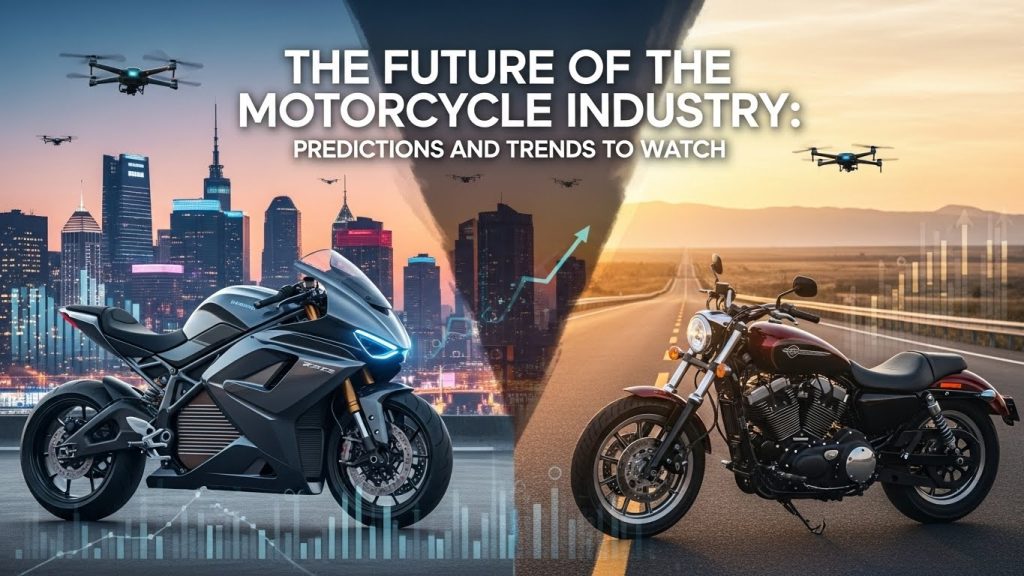
The Future of the Motorcycle Industry: Predictions and Trends to Watch
The motorcycle industry has always been a dynamic sector characterized by rapid innovation and adaptability. As we move further into the 21st century, the industry is poised for transformative changes driven by technological advancements, environmental considerations, and shifting consumer preferences. This article explores the key trends and predictions shaping the future of the motorcycle industry, offering insights into what enthusiasts and stakeholders can expect in the coming years.
1. The Rise of Electric Motorcycles
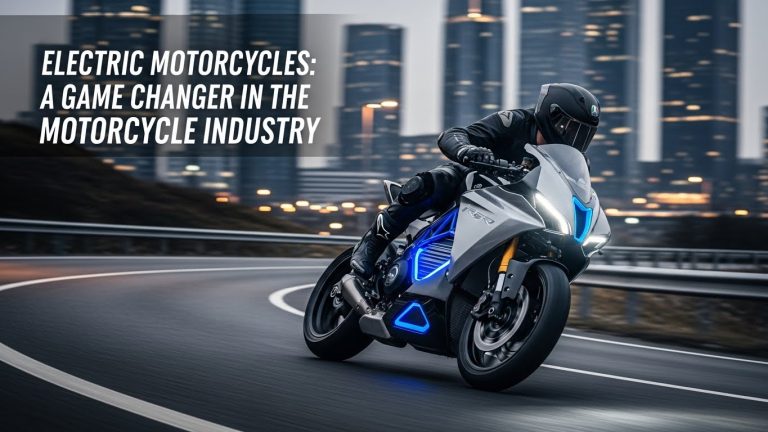
One of the most significant trends revolutionizing the motorcycle industry is the rise of electric motorcycles. As governments worldwide push for reduced emissions and cleaner transportation options, electric motorcycles are gaining traction. Companies like Zero Motorcycles and Harley-Davidson with its LiveWire model are leading the charge by offering high-performance electric bikes that provide a sustainable alternative to traditional gasoline-powered motorcycles.
Electric motorcycles offer numerous benefits, including lower operating costs, reduced maintenance, and zero emissions. Advances in battery technology are also enhancing the range and performance of electric bikes, making them more appealing to a broader audience. As infrastructure for electric vehicle charging continues to expand, the adoption of electric motorcycles is expected to increase significantly.
2. Integration of Smart Technology
The integration of smart technology into motorcycles is another trend set to redefine the industry. Modern motorcycles are increasingly featuring advanced electronics, including connectivity options, ride modes, and safety features. For instance, Yamaha’s “Motoroid” concept showcases how artificial intelligence can be used to create self-balancing bikes that offer enhanced stability and safety.

Moreover, the use of Internet of Things (IoT) technology is allowing riders to connect their motorcycles with smartphones and other devices, providing real-time diagnostics, navigation, and communication capabilities. As technology evolves, we can expect even more sophisticated features, such as augmented reality displays and advanced rider assistance systems, to become standard on new models.
3. Emphasis on Sustainability and Eco-Friendly Practices
Sustainability is becoming a core focus for the motorcycle industry, with manufacturers striving to reduce their environmental impact. This is not only about producing electric bikes but also involves the development of more eco-friendly materials and manufacturing processes. Brands like BMW and Honda are investing in research to develop biodegradable components and reduce waste during production.
The shift towards sustainability is also influencing consumer behavior, as more riders are becoming environmentally conscious and seeking products that align with their values. This trend is likely to lead to the emergence of new business models, such as motorcycle sharing and rental services, which provide an eco-friendly alternative to ownership.
4. Customization and Personalization
In an era where personalization is key, the motorcycle industry is embracing customization to meet the diverse preferences of riders. Advances in 3D printing and manufacturing technologies are enabling manufacturers to offer bespoke options, allowing enthusiasts to tailor their bikes to their specific tastes and needs. This trend is particularly prominent in niche markets, such as custom choppers and café racers, where individuality is highly valued.
Furthermore, companies are offering a wide range of accessories and aftermarket parts, empowering riders to modify their motorcycles with ease. As this trend continues, we can expect an increase in customization options and a growing community of enthusiasts who are passionate about creating unique riding experiences.
5. The Growth of Adventure and Touring Segments
The adventure and touring segments of the motorcycle industry are experiencing significant growth, driven by a surge in interest in long-distance travel and exploration. Motorcycles designed for these purposes, such as the BMW GS series and the Honda Africa Twin, are equipped with features that enhance comfort, durability, and performance over various terrains.
This trend is also fueled by a growing community of adventure riders who share their experiences through social media and online platforms. Their stories inspire others to embark on their own journeys, further boosting demand for adventure and touring motorcycles. As a result, manufacturers are continually innovating to meet the needs of this expanding market segment.
6. The Impact of Autonomous Technology
While fully autonomous motorcycles may still be a distant reality, the impact of autonomous technology on the industry cannot be ignored. Companies like BMW are experimenting with self-riding motorcycles that can navigate and maintain balance on their own. These innovations are not intended to replace human riders but to enhance safety and convenience.
The incorporation of autonomous features such as adaptive cruise control, collision avoidance systems, and automated emergency braking is already underway. These advancements promise to reduce accidents and make riding safer for everyone on the road. As technology progresses, we can expect more sophisticated systems to be integrated into motorcycles, providing riders with a safer and more enjoyable experience.
7. The Influence of Global Markets
Global markets are playing an increasingly important role in shaping the future of the motorcycle industry. Emerging economies, particularly in Asia and Africa, are witnessing a surge in motorcycle sales due to their affordability and convenience in congested urban areas. This growth is prompting manufacturers to tailor their products to meet the specific needs and preferences of these markets.
In addition, international trade policies and economic conditions are influencing production and distribution strategies. The industry is becoming more interconnected, with manufacturers seeking partnerships and collaborations across borders to expand their reach and leverage diverse expertise. Understanding these global dynamics is crucial for industry players looking to remain competitive in the years ahead.
Takeaways
The future of the motorcycle industry is brimming with possibilities, as technological advancements, sustainability initiatives, and changing consumer preferences drive innovation and growth. From the rise of electric motorcycles to the integration of smart technology and the expansion of global markets, the industry is poised for a transformative era. Enthusiasts and stakeholders alike can look forward to a future where motorcycles are not only a means of transportation but also a reflection of personal values and aspirations.
As the industry continues to evolve, staying informed about these trends and predictions will be essential for anyone involved in the motorcycle world. By embracing change and innovation, the motorcycle industry is well-positioned to thrive in the years to come, offering exciting opportunities for riders and manufacturers alike. Whether you’re a seasoned rider or a newcomer, the future holds something for everyone in the world of motorcycles.
8. The Evolution of Urban Mobility Solutions
Urban environments are becoming increasingly congested, leading to a growing demand for efficient and flexible mobility solutions. Motorcycles, with their agility and compact size, are well-suited to address urban transportation challenges. The industry is responding by developing models specifically designed for city commuting, with features like enhanced maneuverability, compact design, and integrated storage solutions.
Additionally, the rise of micro-mobility solutions, such as e-scooters and electric bicycles, is influencing the motorcycle industry. Companies are exploring hybrid models that combine the benefits of motorcycles with the convenience of smaller personal transport devices. Innovations in this space are likely to create new opportunities for urban commuters seeking efficient and sustainable mobility options.
9. Safety Innovations and Rider Education
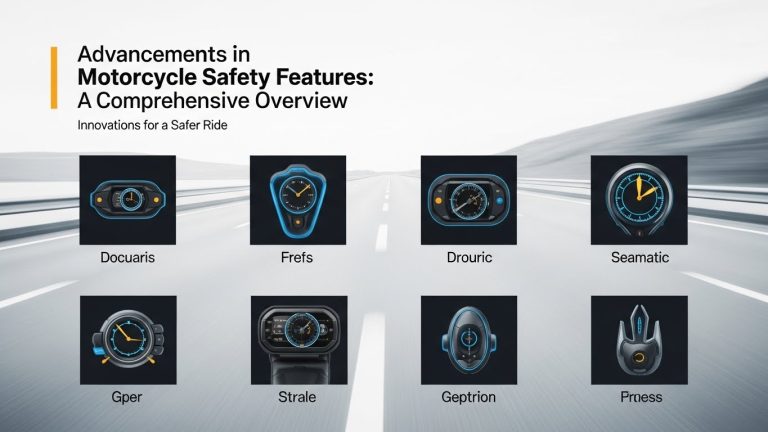
As motorcycles become more advanced, safety remains a top priority. The industry is focusing on developing new safety technologies, including advanced helmet designs, airbag systems, and enhanced visibility gear. These innovations aim to reduce the risk of accidents and injuries, making riding safer for everyone.
Moreover, rider education is becoming increasingly important. Organizations and manufacturers are investing in programs that emphasize the importance of safe riding practices and offer training on how to handle advanced motorcycle features. As safety technology continues to evolve, education will play a crucial role in ensuring that riders can fully benefit from these advancements without compromising their safety.
10. Economic and Regulatory Influences
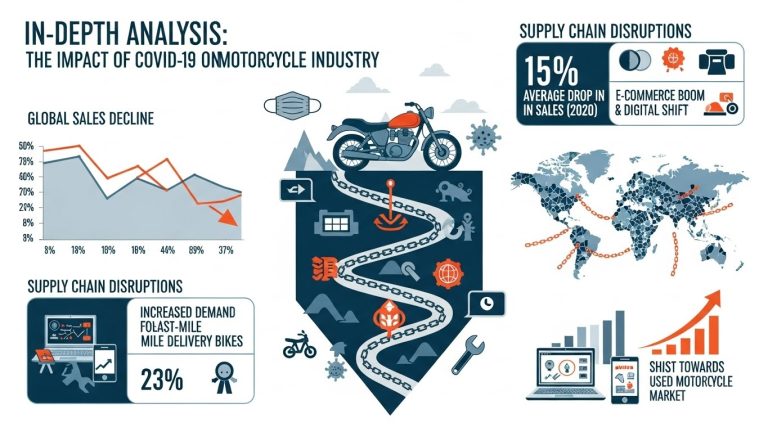
The motorcycle industry is also shaped by economic factors and regulatory policies. Economic conditions, such as fuel prices and disposable income levels, influence consumer purchasing decisions and can impact the demand for motorcycles. Additionally, regulatory policies related to emissions, safety standards, and licensing requirements can affect the industry landscape.
For example, stricter emissions regulations in many regions are pushing manufacturers to develop cleaner and more efficient engines. Meanwhile, changes in licensing requirements can influence the accessibility of motorcycles to new riders. Keeping abreast of these economic and regulatory trends is essential for industry players to navigate challenges and capitalize on new opportunities.
11. The Role of Community and Culture
The motorcycle community has always been a pivotal aspect of the industry, fostering a sense of camaraderie and shared passion among riders. As the industry evolves, the role of community and culture remains significant. Motorcycle clubs, events, and online forums continue to provide platforms for enthusiasts to connect, share experiences, and celebrate their love for riding.
The cultural aspects of motorcycling also influence industry trends, as seen in the popularity of retro and vintage styles that evoke nostalgia while incorporating modern technology. As new generations of riders emerge, the community aspect of motorcycling will continue to play a vital role in shaping the industry’s future.
Takeaways
The motorcycle industry is on the cusp of a revolutionary shift, driven by technological advancements, sustainability efforts, and changing consumer behaviors. From the rise of electric and smart motorcycles to the growth of global markets and urban mobility solutions, the future promises to be exciting and dynamic. As the industry navigates these changes, staying informed and adaptable will be crucial for success.
For riders and industry stakeholders alike, these trends present opportunities to embrace innovation, enhance safety, and contribute to a more sustainable future. Whether it’s through adopting new technologies, participating in community initiatives, or simply enjoying the thrill of the ride, the motorcycle industry offers something for everyone. As we look ahead, the possibilities are endless, and the journey is just beginning.
About the Author