The Future of Cycling: Top 5 Innovations in Big Bikes Today
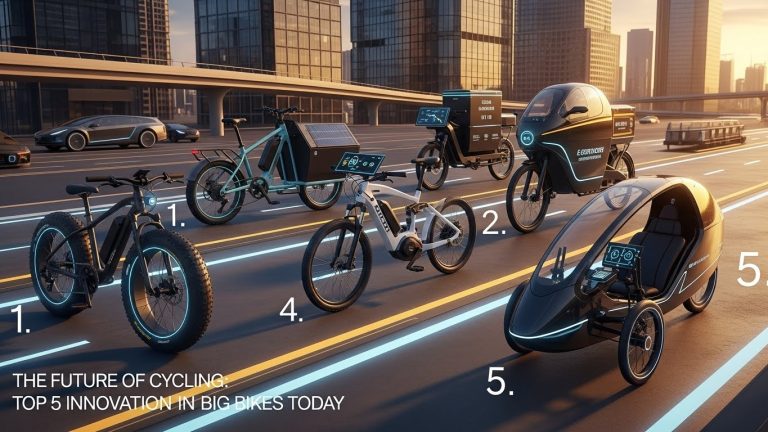
As global interest in sustainable transportation grows, the world of cycling is experiencing a renaissance. Big bikes, in particular, have become the frontrunners of this transformation, marrying technology with tradition to create bicycles that are not only more efficient but also more thrilling to ride. In this blog post, we explore the top five innovations in big bikes today, offering insight into how they are shaping the future of cycling.
1. Electric Assist Systems: Boosting Pedal Power
The advent of electric assist systems has revolutionized the cycling industry, providing riders with an extra boost that makes tackling hills and long distances significantly easier. These systems work by integrating a motor and battery into the bicycle’s framework, offering various levels of assistance that can be adjusted according to the rider’s preference. This innovation has made cycling more accessible to a broader audience, including those who may have previously found traditional biking challenging.
For instance, the Bosch eBike Systems provide a seamless and intuitive riding experience with their range of power modes and efficient battery management systems. As the technology continues to evolve, we can expect to see even lighter and more efficient motors, making electric bikes an integral part of urban and rural transportation networks.
2. Advanced Materials: Building Lighter and Stronger Bikes
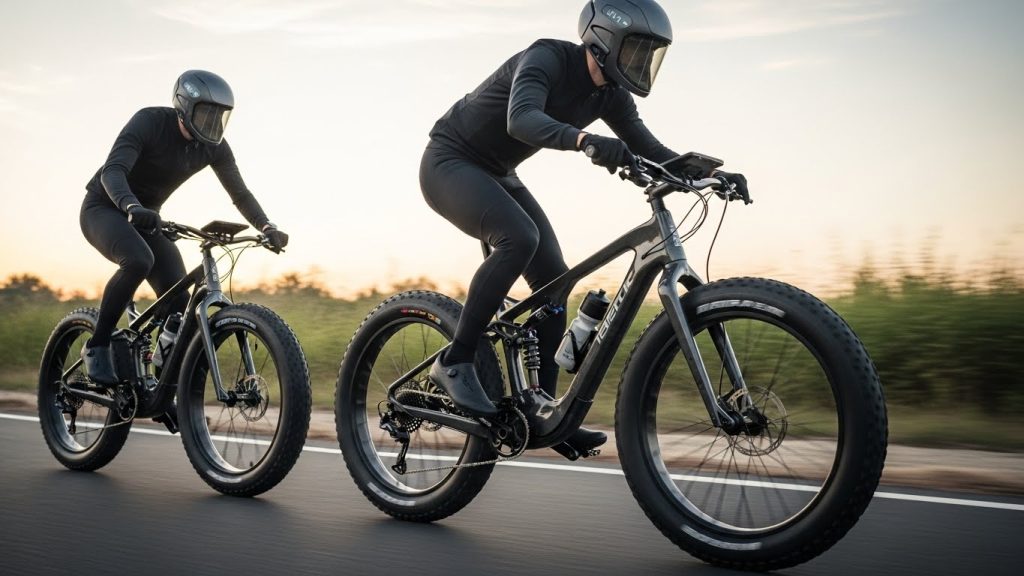
Material science has played a pivotal role in the evolution of big bikes. Innovations in carbon fiber and other composite materials have allowed manufacturers to create frames that are not only lighter but also more durable and resistant to stress. This shift has enhanced performance, offering riders a smoother and more responsive experience.
One notable example is the use of graphene composites, which are being explored for their potential to create bikes that are incredibly strong yet feather-light. Such advancements are also contributing to improved aerodynamics, allowing cyclists to achieve higher speeds with less effort.

3. Smart Connectivity: Integrating Tech with Cycling
The integration of smart technology into cycling is another groundbreaking innovation. Modern big bikes are equipped with GPS, fitness tracking, and even connectivity to smartphones, allowing cyclists to monitor performance metrics in real-time. This connectivity extends to navigation systems, providing turn-by-turn directions and route optimization features.
Companies like Garmin are at the forefront of this integration, offering devices that sync seamlessly with various cycling apps. These innovations not only enhance the riding experience but also promote safety by enabling features such as automatic emergency alerts in case of an accident.
4. Aerodynamics: Cutting Through the Wind
Aerodynamics has always been a key focus in the design of performance bikes. Recent innovations have seen the development of more streamlined shapes and components that significantly reduce drag, allowing cyclists to maintain higher speeds with less energy expenditure.
Wind tunnel testing and computational fluid dynamics are being employed to refine the shapes of frames, wheels, and even helmets. The result is a new generation of big bikes that offer superior efficiency and performance. Such technologies are especially beneficial in competitive cycling, where every second counts.
5. Sustainable Practices: Eco-Friendly Manufacturing
As environmental concerns continue to rise, the cycling industry is embracing sustainability in both manufacturing and design. This includes the use of recycled materials, eco-friendly production processes, and the development of bikes that are designed to be easily repairable and recyclable at the end of their lifecycle.
For example, companies like Trek Bikes are implementing sustainability initiatives that reduce waste and promote the use of renewable energy in manufacturing facilities. Such practices not only benefit the environment but also resonate with the growing number of consumers who prioritize sustainability in their purchasing decisions.
Takeaways
The future of cycling is indeed bright, with big bikes leading the charge through a combination of advanced technology and sustainable practices. From electric assist systems to smart connectivity, these innovations are making cycling more accessible, enjoyable, and environmentally friendly than ever before.
As these trends continue to evolve, they promise to transform urban landscapes, reduce reliance on fossil fuels, and promote healthier lifestyles. For cyclists and enthusiasts, the road ahead is both exciting and full of potential. Whether you are a seasoned rider or a newcomer to the world of big bikes, there has never been a better time to embrace the future of cycling.
Impact on Urban Mobility
As cities around the world grapple with congestion and pollution, bicycles are emerging as a viable solution to urban mobility challenges. The innovations in big bikes are particularly significant, providing an alternative to traditional car travel that is both efficient and environmentally friendly. With the integration of electric assist systems, commuters can easily navigate city streets, reducing travel time and promoting a healthier lifestyle.
Moreover, the development of dedicated cycling infrastructure, such as bike lanes and parking facilities, is encouraging more people to adopt cycling as their primary mode of transport. Cities like Amsterdam and Copenhagen are leading the way, showcasing how bicycles can transform urban environments by reducing traffic congestion and improving air quality.
Health Benefits and Community Building
Beyond the convenience and environmental benefits, cycling offers significant health advantages. Regular cycling helps improve cardiovascular health, build muscle strength, and enhance overall fitness levels. Innovations in big bike design, such as adjustable seating and ergonomic handlebars, have made cycling more comfortable and accessible to people of all ages and fitness levels.
Community initiatives are also leveraging the popularity of cycling to foster social connections and promote mental well-being. Group rides, cycling clubs, and community events are bringing people together, creating a sense of camaraderie and shared purpose. Organizations are increasingly using bicycles as a tool for community building, encouraging active lifestyles and providing a platform for social engagement.
Future Trends and Challenges
While the future of cycling is promising, it is not without its challenges. As more people take up cycling, there is a growing need for infrastructure that can safely accommodate an increasing number of riders. This includes not only the construction of new bike paths but also the maintenance of existing ones to ensure they remain safe and accessible.
Additionally, the rapid pace of technological advancement presents its own set of challenges. As bikes become more integrated with technology, there is a need for standardized systems and protocols to ensure compatibility and user-friendliness. Security concerns, particularly related to data privacy and theft prevention, also need to be addressed.
Despite these challenges, the cycling industry is poised for significant growth. Manufacturers are investing in research and development to create bikes that are not only more efficient but also more affordable, catering to a broader range of consumers. As these innovations continue to unfold, they will further solidify cycling’s role as a key component of sustainable transportation and urban mobility.
Conclusion: Riding Into a Brighter Future
The innovations in big bikes today are transforming the way we think about transportation, health, and community. From electric assist systems that make cycling accessible to a wider audience, to advanced materials that enhance performance and sustainability, the future of cycling is bright and full of potential.
As we continue to embrace these advancements, we are not only enhancing the cycling experience but also contributing to a more sustainable and connected world. Whether you are commuting to work, exploring new trails, or simply enjoying a leisurely ride, the innovations in big bikes are making it easier and more enjoyable than ever.
As we look to the future, it is clear that cycling will play a pivotal role in shaping healthier, more sustainable communities. With continued investment in technology and infrastructure, the journey ahead promises to be an exciting one, offering endless opportunities for discovery and growth. So, saddle up and join the ride into the future of cycling!
Exploring New Horizons: Adventure and Touring Potential
One of the most exciting aspects of big bikes is their potential for adventure and long-distance touring. With innovations such as enhanced gear systems and robust frames designed to carry heavier loads, cyclists are empowered to embark on journeys that were previously challenging. Features like integrated panniers, comfortable seating, and durable tires make these bikes ideal for exploring diverse terrains, from rugged mountain paths to smooth, scenic highways.
The global trend of bikepacking has gained momentum, where cyclists combine camping with cycling to explore remote areas. This has been made possible by advancements in bike technology, allowing for greater autonomy and self-reliance. Enthusiast communities, such as those found on platforms like Bikepacking.com, provide resources and inspiration for those looking to embark on their own cycling adventures.
Innovative Safety Features: Protecting Riders
Safety is a paramount concern for cyclists, and recent innovations in big bikes have focused on enhancing protective features. From high-visibility lighting systems to advanced braking technologies, these bikes are equipped to handle a variety of conditions while keeping riders safe. Innovations such as radar and camera systems that detect vehicles approaching from behind are becoming increasingly popular, offering an additional layer of security for cyclists navigating busy roads.
Similarly, smart helmets equipped with sensors and communication systems are being developed to provide real-time feedback and alerts to riders. These helmets can connect with mobile apps to alert emergency contacts in the event of a fall or accident, ensuring that help is never far away.
Economic Implications: Driving Growth in the Cycling Industry
The surge in popularity of big bikes and their innovations has significant economic implications. The cycling industry is experiencing robust growth, with a rise in manufacturing jobs and opportunities for local businesses that cater to cyclists. This growth is not limited to bike manufacturers but extends to accessory makers, repair shops, and retailers, creating a vibrant ecosystem that supports local economies.
Governments and municipalities are also recognizing the economic benefits of promoting cycling. Investments in cycling infrastructure not only improve urban mobility but also attract tourism, as cities become more bike-friendly and appealing to visitors who prefer sustainable travel options. This, in turn, stimulates local businesses, from cafes to hotels, further boosting economic activity.
The Role of Innovation in Promoting Inclusivity
As the cycling industry continues to innovate, there is a growing emphasis on inclusivity. Manufacturers are designing bikes that accommodate a wider range of body types and abilities, ensuring that everyone can enjoy the benefits of cycling. Adaptive bikes, for example, are tailored to meet the needs of individuals with disabilities, making cycling more accessible than ever before.
Community initiatives and programs are emerging to promote cycling among underrepresented groups, providing education, resources, and support to encourage participation. These efforts aim to break down barriers and foster a diverse cycling culture that reflects the inclusivity of the sport.
Conclusion: A Revolution on Two Wheels
The future of cycling, particularly in the realm of big bikes, is a testament to human ingenuity and the desire for sustainable progress. As technology continues to evolve, so too will the capabilities and appeal of bicycles, opening up new possibilities for transportation, recreation, and adventure.
By embracing these innovations, we are not only enhancing our own experiences but also contributing to a larger movement towards a more sustainable and inclusive world. Whether through urban commuting, long-distance touring, or simply enjoying a leisurely ride, big bikes are at the forefront of a cycling revolution that promises to transform our lives and communities.
The road ahead is exciting, and as we pedal into the future, the possibilities are endless. With each innovation, we draw closer to realizing a vision of a connected, healthy, and sustainable world, one ride at a time.
About the Author