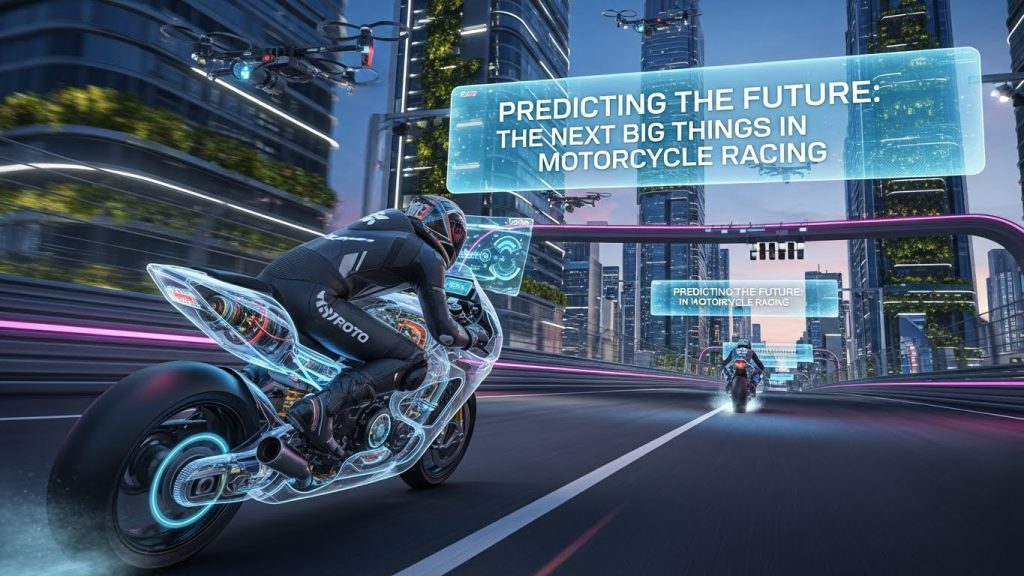
Predicting the Future: The Next Big Things in Motorcycle Racing
Motorcycle racing has always been a thrilling sport, capturing the imagination of fans around the world. From the roar of the engines to the skillful maneuvers of the racers, every aspect of motorcycle racing is designed to enthrall and excite. As technology advances and the sport evolves, what does the future hold for motorcycle racing? In this blog post, we’ll explore the next big developments in this high-speed sport, examining how they could change the landscape of motorcycle racing forever.
Electrification: The Rise of Electric Motorcycles
The world is moving towards sustainable energy, and the motorcycle racing industry is no exception. Electric motorcycles are becoming increasingly popular, not only for their lower environmental impact but also for their impressive performance capabilities. Electric motorcycles are known for their instant torque and high-speed potential, making them a formidable choice on the racing circuit.
One of the leading forces in this shift is the introduction of the MotoE World Cup, which showcases the potential of electric racing. These bikes are quieter, which changes the atmosphere of the races but also opens a new dimension for fans who can now focus more on the strategy and skill of the racers. As battery technology continues to improve, expect to see more teams investing in electric motorcycles, pushing the boundaries of speed and sustainability in racing.
Advanced Aerodynamics: Cutting Through the Air
As speeds increase, the role of aerodynamics in motorcycle racing becomes even more critical. Engineers are continually experimenting with new materials and designs to reduce drag and improve stability at high speeds. One of the exciting innovations in this field is the use of active aerodynamics, where winglets and other aerodynamic elements adjust in real-time to optimize performance.
These advancements are not limited to the design of the bikes themselves. Riders’ suits are also undergoing transformations, with smart textiles that adjust to conditions, providing both aerodynamic advantages and increased safety. With these developments, races are expected to become faster and more competitive, as teams strive to perfect their aerodynamic setups.
AI and Data Analytics: A Game Changer
The integration of artificial intelligence and data analytics into motorcycle racing is poised to revolutionize the sport. Teams are already using data analytics to refine race strategies, monitor bike performance, and improve rider safety. AI has the potential to take this a step further by predicting race outcomes, optimizing pit stop times, and even aiding in rider training.
Advanced sensors and telemetry systems collect vast amounts of data during races, which are then analyzed to provide actionable insights. This technology helps teams make real-time decisions that could mean the difference between winning and losing. As AI becomes more sophisticated, it will undoubtedly play a more significant role in the strategic aspects of motorcycle racing.
Virtual Reality and Augmented Reality: Enhancing the Fan Experience

The advent of virtual reality (VR) and augmented reality (AR) technologies is transforming how fans engage with motorcycle racing. These technologies offer immersive experiences that bring fans closer to the action than ever before. With VR, fans can experience races from the perspective of their favorite riders, gaining a new appreciation for the skill and precision required to compete at the highest level.
AR, on the other hand, enhances the viewing experience by overlaying real-time data and statistics onto live race footage. This additional layer of information helps fans understand the nuances of the race, such as tire wear, fuel levels, and aerodynamic performance. As VR and AR technology continues to develop, expect to see them become an integral part of the motorcycle racing experience.
Safety Innovations: Protecting Riders
Safety has always been a top priority in motorcycle racing, and the future promises even more advancements in this area. New materials and technologies are being developed to protect riders during crashes, including airbag systems integrated into racing suits and helmets that offer improved impact protection.
Additionally, advanced communication systems are being implemented to enhance the safety of both riders and track personnel. These systems can provide real-time alerts about track conditions, weather changes, and potential hazards, allowing riders to adapt quickly and avoid accidents. As safety technology evolves, it will help ensure that motorcycle racing remains as safe as it is exhilarating.
Conclusion: The Road Ahead
The future of motorcycle racing is bright, with numerous innovations set to redefine the sport. From the electrification of motorcycles to the integration of AI and data analytics, each development brings its own set of challenges and opportunities. As these technologies mature, they will not only enhance the competitiveness of the races but also increase the safety and enjoyment for everyone involved.
For fans, the next few years will be an exciting journey into a new era of motorcycle racing. With advancements in VR and AR, viewers will gain unprecedented access to the thrill of the race, while enhanced safety measures ensure the well-being of the riders. As we look forward to these changes, one thing is certain: the spirit of motorcycle racing will continue to inspire and captivate audiences around the world.
Environmental Impact: A Shift Towards Sustainability
In recent years, there has been a growing emphasis on sustainability across all motorsports, and motorcycle racing is no exception. As the world grapples with climate change, the industry is exploring ways to reduce its environmental footprint. This shift is evident in the increased adoption of electric motorcycles, but it goes beyond that. Many racing organizations are implementing green initiatives such as carbon offsetting, sustainable fuel options, and eco-friendly logistics.
For instance, some racing events are exploring the use of biofuels or synthetic fuels that produce fewer emissions compared to traditional gasoline. Track infrastructure is also being modified to incorporate renewable energy sources like solar and wind power, diminishing the reliance on non-renewable resources. These changes not only help protect the environment but also attract a new generation of fans who value sustainability.
Global Expansion: Reaching New Audiences
Motorcycle racing has long been a global spectacle, but the future holds even more opportunities for expansion. As emerging markets develop economically and technologically, they offer new venues and fanbases for the sport. Countries in Asia, Africa, and South America are investing in motorsports infrastructure, eager to host international events and nurture local talent.
This global expansion is not just about increasing the number of races; it’s about diversifying the sport. By tapping into different cultures and traditions, motorcycle racing can evolve in ways that reflect the diverse interests and skills of its worldwide audience. This could mean new racing formats, innovative technologies, and unique partnerships that enrich the sport as a whole.
The Role of Social Media: Engaging the Digital Generation
In today’s digital age, social media plays a crucial role in shaping the future of motorcycle racing. Platforms like Instagram, Twitter, and YouTube offer teams and riders a direct line to fans, creating a dynamic and interactive community. Social media engagement allows fans to follow their favorite riders, get real-time updates during races, and participate in discussions, enhancing their connection to the sport.
Furthermore, social media serves as a powerful marketing tool, attracting sponsors and increasing the global reach of motorcycle racing. Live-streaming races, sharing behind-the-scenes content, and hosting virtual meet-and-greets are just some of the ways the sport can harness social media to engage with the digital generation. As social media continues to evolve, it will play an essential role in the growth and popularity of motorcycle racing.
Innovations in Training: Preparing the Next Generation
The future of motorcycle racing also depends on how effectively the next generation of riders is trained. Advances in technology are transforming rider training, making it more efficient and comprehensive. Simulators equipped with virtual reality capabilities are now used to replicate race conditions, providing riders with a safe environment to hone their skills and techniques.
In addition to VR technology, data analytics is becoming a staple in training programs. By analyzing performance metrics, coaches can offer personalized feedback to riders, focusing on areas that need improvement. This data-driven approach allows for more targeted training, helping riders reach their full potential faster and more effectively.
The Future is Now: Embracing Change in Motorcycle Racing
As motorcycle racing looks towards the future, embracing change is essential. The sport must continue to innovate and adapt to remain relevant and exciting for fans and participants alike. Whether it’s through technological advancements, environmental initiatives, or global expansion, the possibilities are endless.
While the core elements of speed, skill, and competition will always be at the heart of motorcycle racing, the future promises a more inclusive, sustainable, and technologically advanced sport. As fans, teams, and riders eagerly anticipate these changes, one thing remains certain: motorcycle racing will continue to push the boundaries of what’s possible on two wheels.
About the Author