Motorcycle Racing 101: Essential Tips for Aspiring Racers
Motorcycle racing is an exhilarating sport that combines speed, skill, and a deep understanding of both machine and track. For those captivated by the roar of engines and the thrill of speed, diving into the world of motorcycle racing can be both rewarding and challenging. In this comprehensive guide, we explore essential tips for aspiring racers, covering everything from understanding the basics to advanced racing strategies.
The Fundamentals of Motorcycle Racing
Before hitting the track, it’s crucial to grasp the fundamentals of motorcycle racing. This includes understanding the types of races, the equipment needed, and the skills required. Two of the most popular forms of motorcycle racing are circuit racing and motocross.
Types of Motorcycle Racing
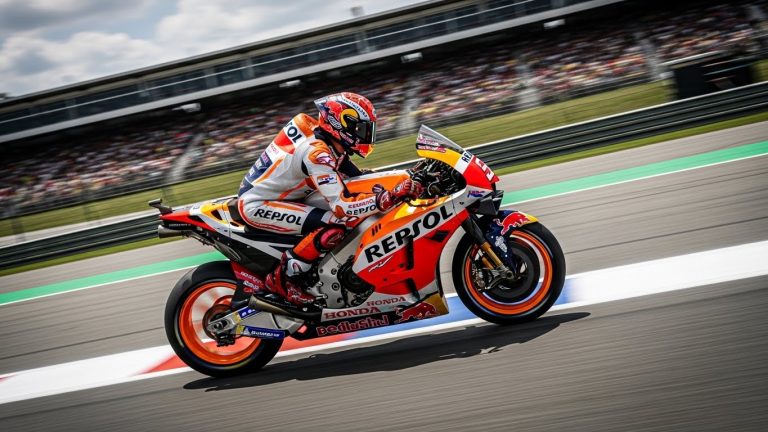
Circuit racing is conducted on paved tracks and includes subcategories such as MotoGP, Superbike, and Supersport. Each of these has specific rules and bike specifications. Motocross, on the other hand, is off-road racing on dirt tracks, featuring jumps and obstacles that require different skills and bike setups.
Choosing the Right Equipment
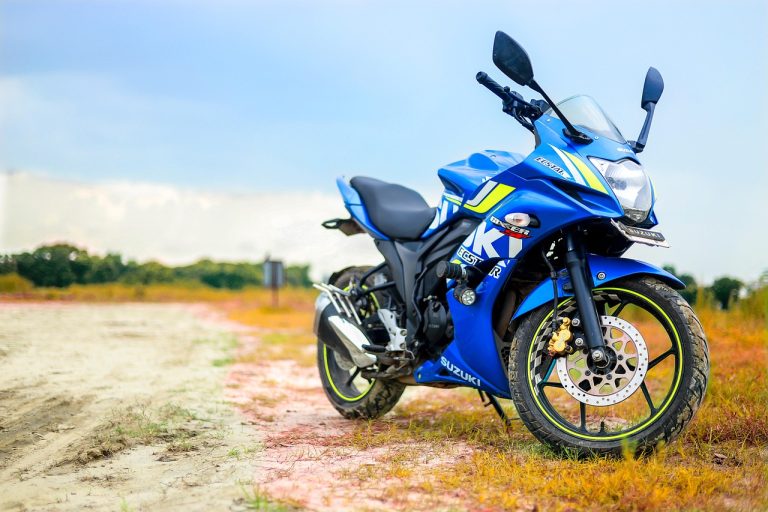
Your motorcycle is your most important tool on the track. Choosing the right bike depends on the type of racing and your skill level. For beginners, it’s often recommended to start with a less powerful bike to hone skills safely. In addition to the bike, having the right safety gear is critical. A quality helmet, gloves, boots, and protective clothing are non-negotiable essentials.
Mastering Basic Racing Skills
Successful racers need to master several basic skills. These include throttle control, braking techniques, and cornering. Each skill requires practice and understanding of the physics involved. For instance, effective throttle control ensures smooth acceleration and deceleration, vital for maintaining speed and control.
Advanced Racing Techniques
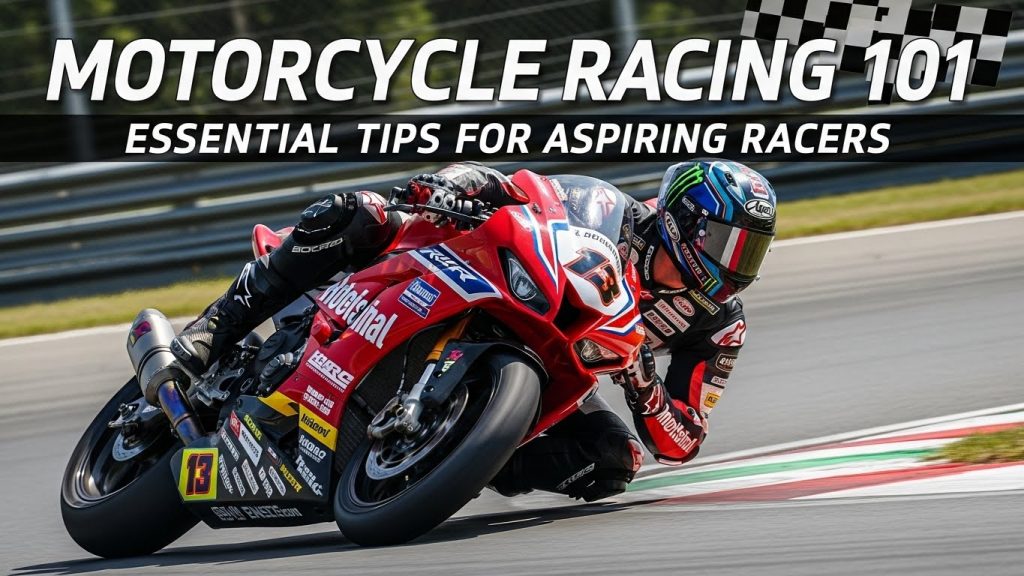
Once you’ve mastered the basics, advancing your skills involves learning more complex techniques. Body positioning is crucial; shifting your weight correctly can significantly improve cornering speeds and bike stability. Learning to read the track, understanding racing lines, and knowing when to take risks are advanced skills that differentiate the professionals from amateurs.
Understanding the Dynamics of Racing
Racing is as much about mental acuity as it is about physical skill. Understanding race dynamics involves learning how to anticipate competitors’ moves and making split-second decisions. Mental preparation, including visualization and stress management techniques, can greatly enhance performance.
Participating in Track Days
Track days are an excellent opportunity for aspiring racers to practice their skills in a controlled environment. These events allow riders to experience real racing conditions without the pressure of competition. Participating regularly in track days helps build confidence and refine skills.
Joining Racing Clubs and Competitions
Joining a racing club provides a community of like-minded individuals who can offer support and guidance. Clubs often organize local competitions, which are a great way to gain experience and improve your skills. Competing in races, even at a lower level, teaches invaluable lessons about strategy and performance.
Maintaining Your Motorcycle
Regular maintenance of your motorcycle is crucial to ensure safety and performance on the track. This includes regular checks of the tires, brakes, and engine. Understanding your bike’s mechanics can also help you make necessary adjustments to optimize performance based on track conditions and personal riding style.

Staying Informed and Continually Learning
The world of motorcycle racing is constantly evolving, with new techniques, technologies, and strategies emerging. Staying informed through reputable racing news sources and continuously learning from experienced racers can provide a competitive edge. Attending seminars, workshops, and training sessions can also enhance your knowledge and skills.
Building Physical and Mental Resilience
Physical fitness is a key component of racing, as it directly impacts endurance and reaction times. A balanced fitness regime focusing on cardiovascular health, strength, and flexibility is essential. Equally important is mental resilience. Racing can be stressful, and maintaining a calm, focused mindset is crucial for success.
Takeaways
Motorcycle racing is a thrilling sport that demands dedication, skill, and a passion for speed. By understanding the basics, honing your skills, and continually striving for improvement, you can embark on a successful racing journey. Remember, every great racer started as a novice, and with persistence and enthusiasm, you too can carve your path in the exciting world of motorcycle racing.
Networking and Building Connections
In the world of motorcycle racing, who you know can be as important as what you know. Building a network within the racing community can provide valuable opportunities for growth and development. Whether it’s finding a mentor, gaining insider tips, or simply getting advice on the best events to attend, these connections can significantly enhance your racing career.
Understanding Race Regulations and Safety Standards
Every race has its own set of regulations and safety standards that riders must adhere to. Understanding these rules is crucial not only for compliance but also for safety. Regulations cover everything from bike modifications to rider conduct on the track. Familiarizing yourself with these rules through organizations such as the Fédération Internationale de Motocyclisme (FIM) can prevent costly penalties and ensure a fair racing experience.
Leveraging Technology and Data
Modern motorcycle racing increasingly relies on technology and data analysis. Using telemetry to monitor and improve bike performance, analyzing lap times, and utilizing on-board cameras for post-race evaluations can provide insights that are crucial for improvement. Embracing these technologies can give you a competitive advantage, allowing for precise adjustments to both your technique and your machine.
Setting Realistic Goals and Tracking Progress
Setting achievable goals is a vital part of any racing career. Whether it’s improving lap times, mastering a new technique, or competing in a specific race, having clear objectives keeps you focused and motivated. Keeping a detailed log of your progress, including race results, personal bests, and areas for improvement, helps track your development over time and serves as a motivational tool.
Adapting to Different Tracks and Conditions
Each racing track is unique, and conditions can vary significantly depending on weather, location, and race type. Learning to adapt quickly to different environments is a skill that can set successful racers apart. Practicing on various tracks, studying track layouts, and staying attuned to weather forecasts ensures that you’re prepared for any challenge that comes your way.
Investing in Professional Training
While self-learning is essential, investing in professional training can accelerate your progress. Many experienced racers offer coaching services that cover everything from basic skills to advanced strategies. These professionals can provide personalized feedback and guidance that is often invaluable. Consider attending a racing school or hiring a personal coach to elevate your racing prowess.
Emphasizing the Importance of Patience and Persistence
Racing is a journey, not a sprint. It requires patience and persistence to achieve success. Setbacks and challenges are part of the process, and learning from these experiences is crucial. Staying motivated, celebrating small victories, and maintaining a long-term perspective will help you navigate the ups and downs of a racing career.
Finding Balance Between Racing and Life
As with any demanding pursuit, finding a balance between racing and other life commitments is crucial. This balance ensures that you can enjoy the sport without burnout or neglecting other important areas of your life. Time management, setting boundaries, and ensuring time for rest and recovery are all part of maintaining a sustainable racing career.
Conclusion: The Road Ahead
Entering the world of motorcycle racing is a thrilling adventure filled with challenges, excitement, and personal growth. By understanding the essentials, honing your skills, and continuously striving for improvement, you can carve out a successful path in this high-octane sport. Remember, the journey of a thousand miles begins with a single twist of the throttle. Embrace the learning process, enjoy the ride, and keep your eyes on the road ahead.
Exploring Sponsorship Opportunities
As you advance in the world of motorcycle racing, exploring sponsorship opportunities can provide crucial support. Sponsors can help cover the costs of racing, from entry fees to equipment upgrades. Building a strong personal brand through social media and consistently performing well in races can attract potential sponsors. It’s important to approach potential sponsors professionally, presenting clear benefits and a solid relationship-building approach.
Learning from the Greats
One of the most effective ways to improve in motorcycle racing is by learning from the best in the sport. Studying the techniques, strategies, and careers of legendary racers can provide inspiration and valuable insights. Watching race footage, reading biographies, and analyzing past races can help you understand what makes these racers successful and how you can apply similar strategies to your own racing.
Participating in International Competitions
Once you’ve gained experience and confidence in local races, consider participating in international competitions. These events not only expose you to a higher level of competition but also broaden your racing perspective by introducing you to diverse racing cultures and styles. Competing internationally can be a significant stepping stone in your racing career, offering opportunities to test your skills against some of the best racers from around the world.
Mentoring and Giving Back
As you grow within the sport, consider mentoring aspiring racers. Sharing your knowledge and experiences can be a rewarding way to give back to the community. Mentoring helps strengthen the racing community, ensuring that the sport continues to thrive with well-prepared and passionate new racers. It also provides an opportunity to reflect on your journey and appreciate the growth you’ve achieved.
Planning for the Future
While racing is often the primary focus, it’s important to consider long-term goals and life after racing. This could involve transitioning into roles such as coaching, team management, or even exploring careers within the broader motorsport industry. Planning for the future ensures that you have a fulfilling career beyond your racing days, allowing you to remain connected to the sport you love.
Celebrating Achievements
Throughout your racing journey, take time to celebrate your achievements, big or small. Recognizing and celebrating milestones helps maintain enthusiasm and motivation. Whether it’s your first podium finish, a personal best lap time, or completing a challenging race, these moments are important reminders of your progress and dedication to the sport.
Conclusion: Embrace the Journey
Motorcycle racing is not just about the thrill of speed; it’s a journey filled with learning, challenges, and personal growth. By embracing every aspect of this journey, from the initial learning curve to the highs of competitive success, you can fully enjoy the sport and the community that comes with it. Stay passionate, remain dedicated, and never stop chasing the next horizon. The road to becoming a successful racer may be long, but with perseverance and love for the sport, the journey is its own reward.
About the Author