How Electric Bikes are Revolutionizing the Big Bike Industry
In recent years, the transportation landscape has been undergoing a radical transformation. Among the most significant changes is the rise of electric bikes, which have quickly captured the imagination of riders and industry leaders alike. With their innovative technology and eco-friendly appeal, electric bikes, or e-bikes, are not only altering how individuals commute but are also revolutionizing the big bike industry as a whole.
The Rise of Electric Bikes
Electric bikes have been around for a while, but it’s only in the past decade that they’ve gained mainstream popularity. Advances in battery technology, coupled with a growing awareness of environmental issues, have propelled e-bikes into the spotlight. According to a report by the Statista Research Department, global e-bike sales are expected to reach nearly 40 million units annually by 2023, underscoring their burgeoning appeal.
How E-Bikes Work
The mechanics of an electric bike are relatively straightforward. An e-bike is essentially a regular bicycle equipped with an electric motor, a battery, and a controller. The motor provides assistance to the rider, making it easier to pedal, especially uphill or against the wind. This assistance can be adjusted, offering a range of support from a slight boost to full motor power.
Most e-bikes come with different power modes, allowing riders to choose the level of assistance they need. This flexibility makes them appealing to a wide range of users, from daily commuters looking for a less strenuous ride to recreational cyclists seeking to extend their range.
The Environmental Impact

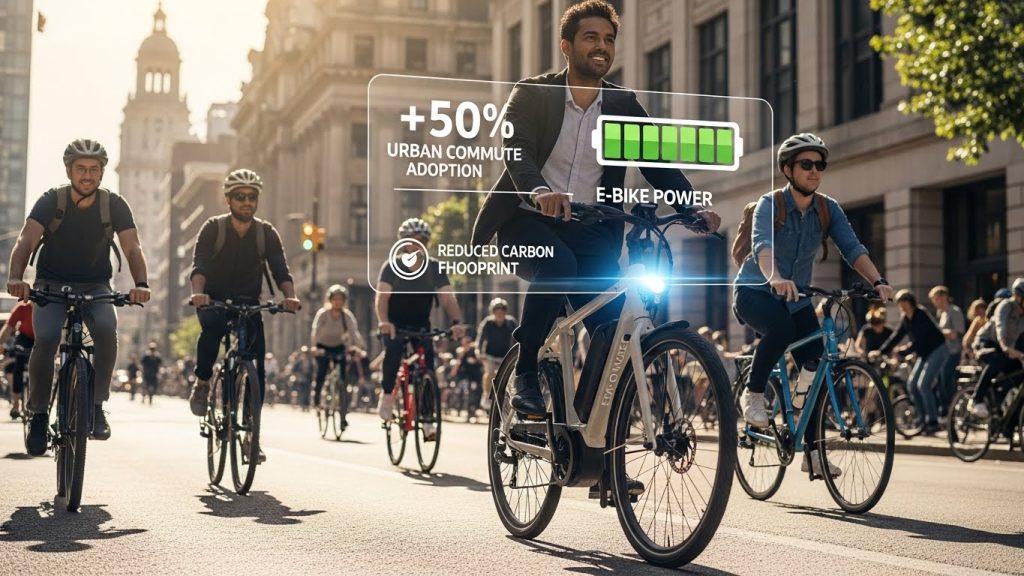
One of the most compelling reasons for the rise of electric bikes is their environmental impact. Unlike cars and motorcycles, e-bikes produce zero emissions when in use, making them an eco-friendly alternative for urban transportation. As cities around the world grapple with pollution and congestion, e-bikes offer a viable solution for reducing the carbon footprint.
Moreover, the production and operation of e-bikes require significantly less energy and resources compared to traditional vehicles. This makes them a sustainable choice for environmentally conscious consumers and aligns with global efforts to combat climate change. According to the International Energy Agency, electric mobility, including e-bikes, plays a crucial role in reducing dependency on fossil fuels.
The Impact on Urban Mobility
Electric bikes are not just changing individual commutes; they are reshaping urban mobility as a whole. Cities worldwide are investing in e-bike infrastructure, such as dedicated lanes and charging stations, to accommodate the growing number of e-bike users. This shift towards e-bike-friendly cities is not only improving traffic conditions but also enhancing the overall quality of urban life.
In places like Amsterdam and Copenhagen, where cycling is a way of life, e-bikes are seamlessly integrated into the public transport systems. This integration reduces the reliance on cars, alleviating traffic congestion and reducing pollution levels.
Challenges and Opportunities for the Big Bike Industry
The rise of electric bikes presents both challenges and opportunities for the traditional bike industry. Manufacturers must adapt to the changing landscape by investing in research and development to produce innovative e-bike models. Additionally, there is a growing demand for more durable and efficient batteries, prompting advancements in battery technology and sustainability.
On the flip side, the e-bike revolution opens up new markets and customer bases. Traditional bike companies can expand their offerings to include e-bikes, attracting tech-savvy and environmentally conscious consumers. This diversification can drive growth and profitability in an ever-competitive market.
Technological Innovations
The e-bike industry is at the forefront of technological innovation. From smart sensors that adjust power output based on terrain to integrated GPS and connectivity features, e-bikes are rapidly evolving. These technological advancements not only enhance the riding experience but also improve safety and efficiency.
For instance, some e-bikes now come with anti-theft systems and geofencing capabilities, providing added security and peace of mind to owners. The integration of IoT (Internet of Things) technology is also paving the way for smarter, more interconnected e-bike ecosystems.
Health Benefits
Beyond their environmental and technological appeal, electric bikes offer significant health benefits. While some may assume that e-bikes require less physical effort, studies have shown that e-bike riders still get substantial exercise. The pedal-assist feature encourages longer rides and more frequent use, contributing to improved cardiovascular health and increased physical activity.
Furthermore, e-bikes make cycling accessible to a broader demographic, including older adults and those with physical limitations. This inclusivity promotes a healthier lifestyle for more people and underscores the versatility of e-bikes as a transportation option.
The Future of E-Bikes
The future of electric bikes looks promising, with continued growth and innovation on the horizon. As battery technology advances, we can expect e-bikes to become even more efficient and affordable. Additionally, the integration of sustainable materials and eco-friendly manufacturing processes will further enhance their appeal.
Governments and city planners are recognizing the potential of e-bikes in creating more sustainable and livable urban environments. As policies and infrastructure evolve to support this trend, e-bikes are poised to become an integral part of the transportation ecosystem.
Takeaways
Electric bikes are undeniably revolutionizing the big bike industry. Their environmental benefits, technological innovations, and impact on urban mobility make them a transformative force in modern transportation. As the world continues to embrace sustainable solutions, e-bikes offer a compelling vision for the future of mobility.
For those interested in the broader implications of electric vehicles, the United Nations Environment Programme provides insights into global electric mobility initiatives and their role in achieving sustainability goals. Similarly, the World Resources Institute offers valuable perspectives on how e-bikes can transform transportation systems worldwide.
As we move towards a more electrified and sustainable future, the innovation and adoption of electric bikes will undoubtedly play a crucial role in shaping the big bike industry and beyond.
Adapting to the E-Bike Trend
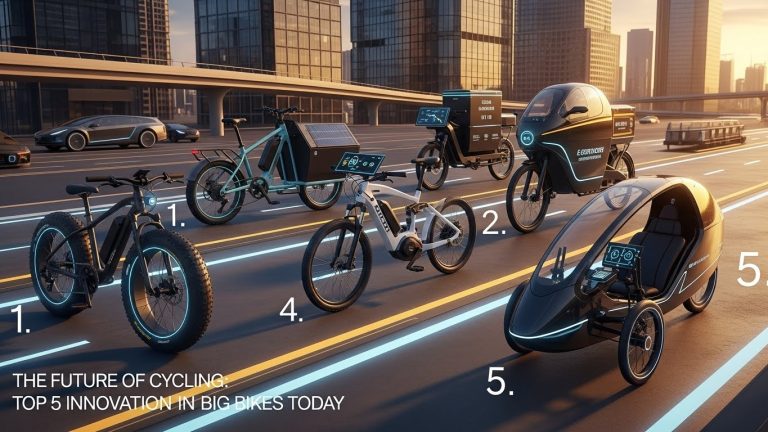
As electric bikes continue to gain popularity, traditional bike manufacturers and retailers are adapting to meet the demands of this growing market. Many are expanding their product lines to include a variety of e-bike models, from urban commuters to mountain bikes and cargo e-bikes. This diversification is crucial for companies looking to maintain their competitive edge and capture a share of the burgeoning e-bike market.
Retailers are also adjusting their business models to accommodate the unique requirements of e-bike customers. For instance, offering test rides and providing comprehensive maintenance and repair services are essential components of a successful e-bike retail strategy. Additionally, educating consumers about the benefits and features of e-bikes can help overcome any misconceptions and encourage informed purchasing decisions.
Consumer Trends and Preferences
Understanding consumer trends and preferences is vital for the continued success of the e-bike industry. Recent surveys indicate that convenience, environmental impact, and cost savings are among the top reasons consumers choose e-bikes over traditional bicycles or other modes of transportation.
Additionally, customization options are increasingly important to consumers. Riders want e-bikes that reflect their personal style and meet their specific needs, whether that’s a sleek design for city commuting or robust features for off-road adventures. As a result, manufacturers are offering a wider range of models and accessories, allowing consumers to tailor their e-bikes to suit their preferences.
Government Policies and Support
Government policies and support play a crucial role in the adoption and proliferation of electric bikes. Many countries and cities are implementing initiatives to promote e-bike usage, such as subsidies, tax incentives, and investments in cycling infrastructure. These measures not only make e-bikes more accessible to a broader audience but also encourage a shift towards sustainable transportation.
For example, in Germany, the government offers financial incentives for purchasing e-bikes, while cities like Paris have introduced extensive networks of e-bike sharing programs. These efforts are part of a larger strategy to reduce urban congestion and lower carbon emissions, aligning with global environmental goals.
The Role of E-Bikes in the Sharing Economy
E-bikes are also making a significant impact on the sharing economy. Bike-sharing programs have become a popular mode of transport in urban areas, and the inclusion of e-bikes in these programs has further enhanced their appeal. E-bike sharing schemes offer a convenient and affordable option for short-distance travel, reducing reliance on private cars and public transport.
Companies like Lime and Jump have successfully integrated e-bikes into their fleets, providing users with an accessible and flexible transportation option. This trend is expected to continue as more cities embrace micromobility solutions to address urban mobility challenges.
Safety Considerations and Regulations
As with any mode of transport, safety is a top priority for e-bike users and manufacturers. Ensuring the safety of riders involves a combination of proper regulations, infrastructure, and consumer education. Many countries have established safety standards for e-bikes, including speed limits and equipment requirements, to protect riders and other road users.
Investing in dedicated cycling infrastructure, such as protected bike lanes and secure parking facilities, is essential for minimizing accidents and encouraging more people to adopt e-bikes. Additionally, educating riders on safe cycling practices and the correct use of e-bike features can further enhance safety outcomes.
Conclusion: The Future is Electric
The rise of electric bikes represents a pivotal moment in the evolution of the big bike industry. With their environmental benefits, technological advancements, and ability to transform urban mobility, e-bikes are poised to become a dominant force in the transportation landscape. As manufacturers, retailers, and policymakers continue to adapt and innovate, the potential for e-bikes to drive sustainable change is immense.
For more insights into the future of transportation and sustainable mobility solutions, the U.S. Department of Transportation provides valuable resources and updates on policy developments. Embracing the electric revolution in biking not only benefits individuals and communities but also contributes to a cleaner, greener planet for future generations.
About the Author