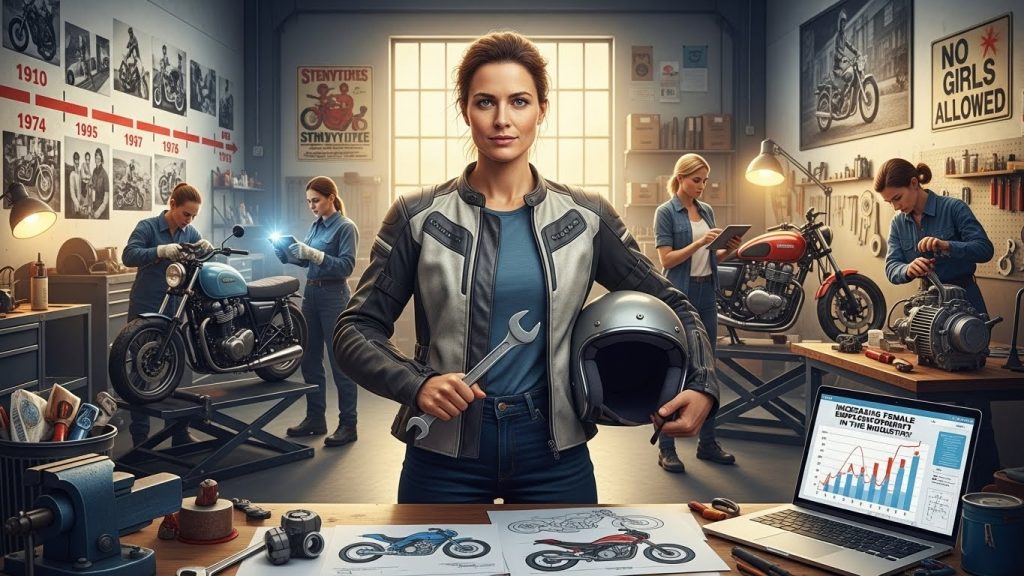
Exploring the Rise of Women in the Motorcycle Industry: Progress and Challenges
The motorcycle industry, long dominated by male enthusiasts and professionals, is experiencing a transformative shift. Women are increasingly taking center stage, not just as riders but as influencers, engineers, designers, and executives. This evolution marks a significant cultural and economic shift, reflecting broader societal changes toward gender equality. In this post, we delve into the progress women have made in the motorcycle industry, the challenges they face, and the road ahead.
The Historical Context: Women and Motorcycles
The motorcycle industry has seen a gradual increase in female participation since the early 20th century. Historically, women like Bessie Stringfield and Dot Robinson broke barriers, riding across countries and competing in races. Despite these groundbreaking efforts, the perception of motorcycling as a male-dominated activity persisted for decades.
In the late 20th century, societal changes, including the women’s liberation movement, began to challenge traditional gender roles. The rise of female riders was not just about adopting a hobby but making a statement of independence and personal freedom. The industry slowly began to acknowledge this shift, albeit at a pace that lagged behind other sectors.
The Current Landscape: Growing Female Presence

Today, women represent a significant and rapidly growing segment of the motorcycle market. According to the Motorcycle Industry Council, women now make up nearly 20% of motorcycle owners, a number that has doubled over the past decade. This increase is not just limited to ownership; women are also more visible in motorcycle clubs, events, and media representation.
Manufacturers are taking notice. Brands like Harley-Davidson and Ducati have launched campaigns specifically targeting women, offering motorcycles designed with female ergonomics in mind. These initiatives are crucial in breaking down the stereotypical image of a biker and making the activity more inclusive.
Challenges Faced by Women in the Motorcycle Industry
Despite progress, women in the motorcycle industry still face significant challenges. One of the most pervasive issues is the lack of representation in leadership roles within motorcycle companies. Few women are in top executive positions, which can limit the industry’s understanding of and responsiveness to female consumer needs.
Another challenge is the persistent stereotype that motorcycling is inherently masculine. This perception can discourage women from entering the industry, whether as riders or professionals. Additionally, gear and equipment tailored specifically for women are often limited, forcing many to compromise on fit and comfort.
The industry must also address the disparity in racing and competitive opportunities. Female racers often receive less media coverage and sponsorship than their male counterparts, which can impact their career development and visibility.
Success Stories: Women Leading the Way
Despite these challenges, many women are making remarkable strides in the motorcycle industry. For instance, Women Riders Now is a platform that celebrates female motorcyclists, providing resources and community support. Such initiatives have been instrumental in changing perceptions and encouraging more women to take up riding.
Female influencers and content creators are also playing a crucial role. By sharing their experiences online, they are inspiring a new generation of female riders and consumers. Moreover, women like Ana Carrasco, the first female racer to win a World Championship in motorcycle racing, are breaking records and setting new precedents.
The Role of Community and Support Networks
Community support is vital in fostering a welcoming environment for women in the motorcycle industry. Female-oriented motorcycle clubs and events, such as the One Moto Show, offer platforms for women to connect, share experiences, and learn from one another. These networks provide not only camaraderie but also opportunities for mentorship and skill development.
Online forums and social media groups further enhance this sense of community, allowing women from diverse backgrounds to share tips, stories, and support. Such platforms are crucial for those who may feel isolated in their local communities or who are new to motorcycling.
The Future: Opportunities for Growth and Inclusion
Looking ahead, the motorcycle industry has ample opportunities to further embrace and support female participation. Manufacturers can expand their product lines to include more options tailored to women, both in terms of motorcycles and gear. Increasing the visibility of women in marketing campaigns and media can also help normalize female participation in the industry.
Moreover, encouraging female representation in corporate and executive roles can drive more inclusive decision-making processes. Companies that prioritize diversity and inclusion stand to benefit from a broader consumer base and innovative ideas.
Educational and outreach programs aimed at young girls can also play a pivotal role in shaping future generations of female riders and professionals. By introducing motorcycling as a viable and exciting option early on, the industry can cultivate a more diverse and dynamic community.
Conclusion: A Journey of Progress and Potential
The rise of women in the motorcycle industry is a testament to resilience, passion, and progress. While challenges remain, the achievements thus far highlight the potential for a more inclusive and dynamic future. As more women embrace motorcycling, whether as a hobby or career, the industry is poised to evolve in exciting and transformative ways.
By continuing to break down barriers, support diverse voices, and foster a welcoming environment, the motorcycle industry can pave the way for a new era of equality and innovation. The journey may be long, but the road ahead is paved with promise and potential.
Technology and Innovation: Bridging the Gap
Technology is playing a pivotal role in bridging the gap for women in the motorcycle industry. Innovations in safety gear, such as airbag jackets and advanced helmet designs, are enhancing rider confidence and safety. These technologies can be particularly appealing to new riders, including women who are entering the motorcycling world for the first time.
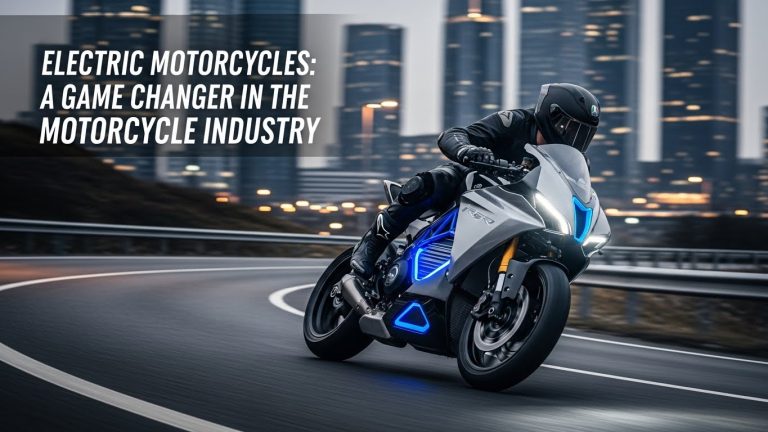
Moreover, the advent of electric motorcycles offers new opportunities for inclusivity. Electric bikes are often lighter and easier to handle, which can be advantageous for riders of all sizes. Companies like Segway and Zero Motorcycles are leading the way in developing accessible electric options that cater to a diverse range of riders.
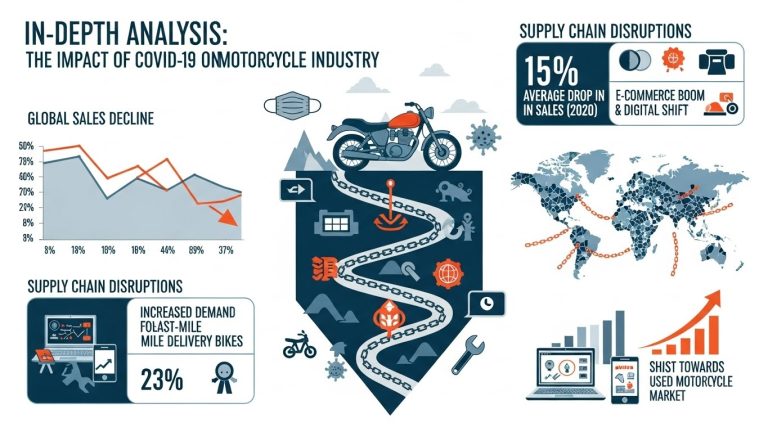
Additionally, digital platforms are revolutionizing how motorcycles are bought and sold. Online marketplaces provide more transparency and choice, empowering women to make informed decisions about their purchases without the intimidation sometimes experienced in traditional dealerships.
Education and Training: Building Confidence and Competence
Education and training are fundamental to empowering women in the motorcycle industry. Riding schools and safety courses designed specifically for women can help build confidence and skill. These programs often address the unique challenges female riders face, such as overcoming societal perceptions and finding the right gear.
Organizations like the Motorcycle Safety Foundation offer comprehensive courses that teach not only riding skills but also motorcycle maintenance and safety protocols. Such education is crucial for fostering independence and competence among female riders.
Moreover, mentorship programs pair experienced riders with beginners, offering guidance and support. These relationships can be invaluable in helping women navigate the industry and develop their riding skills.
Breaking Stereotypes: Changing the Narrative
Changing the narrative around women in the motorcycle industry is essential for fostering a more inclusive environment. Media plays a crucial role in this, with films, advertisements, and social media content increasingly showcasing female riders in diverse and empowering roles.
Campaigns that highlight the stories of women who ride for different reasons—whether for adventure, commuting, or community—help to dispel myths and broaden the understanding of what it means to be a motorcyclist. By celebrating diversity in riding styles and backgrounds, the industry can appeal to a wider audience.
Global Perspective: Women in Motorcycling Worldwide
The rise of women in the motorcycle industry is not limited to any one region; it is a global phenomenon. In countries like India and Brazil, women are embracing motorcycling as a practical and empowering mode of transportation. The increased visibility of female riders in these regions is driving cultural shifts and challenging traditional gender roles.
International events, such as the Women’s International Motorcycling Congress, bring together female riders from around the world to share experiences and advocate for greater inclusion. These gatherings are critical for building a global community and fostering cross-cultural exchanges.
Conclusion: Accelerating Toward an Inclusive Future
The journey towards greater inclusion of women in the motorcycle industry is ongoing, with significant progress already made. By leveraging technology, education, and community support, the industry can continue to break down barriers and create a space where all riders feel welcome and valued.
As more women take to the roads, they not only redefine the landscape of the industry but also inspire future generations to explore the freedom and adventure that motorcycling offers. The road to equality is long, but with continued commitment and innovation, the motorcycle industry can accelerate toward a future where everyone, regardless of gender, can enjoy the ride.
About the Author