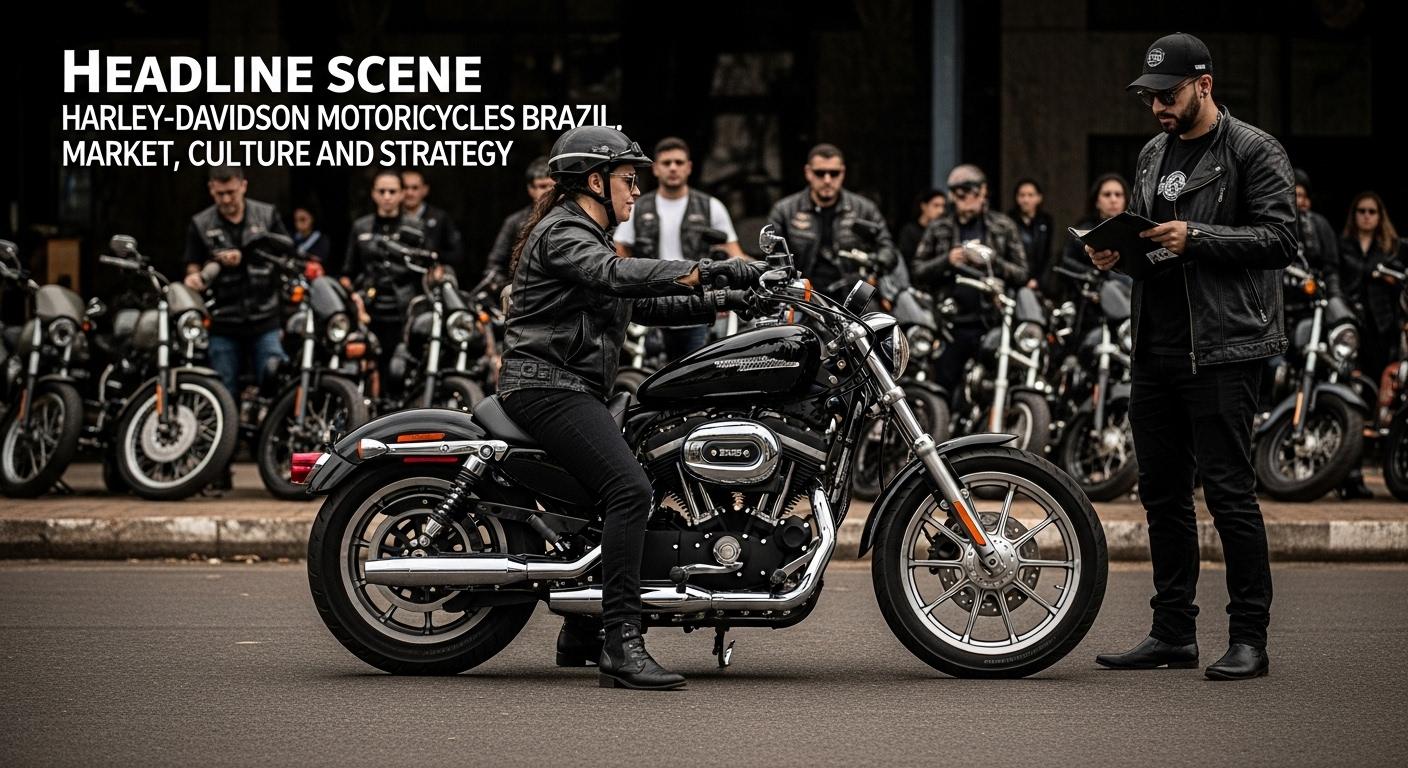
Harley-Davidson motorcycle displayed in a Brazilian urban setting with festive color accents.
Updated: April 9, 2026
Across Brazil, the road is both a lifeline and a contested space, where urban sprawl, weather, and vehicle density collide to shape riding habits. In this environment, the idea of ‘horror Motorcycles Brazil’ has circulated in headlines and conversations alike, referring not to a single incident but to a spectrum of risks that riders, clubs, and policymakers confront daily. This analysis explores how culture, infrastructure, and governance interact to set riding outcomes, and why understanding these dynamics matters for riders, clubs, and the communities that share the streets. By tracing causality from roads to routines, we aim to map the practical choices that reduce harm without erasing the social and economic factors that make motorcycles a vital mode of mobility across Brazilian cities and countryside.
Context: Brazil’s complex riding culture and urban risk
Brazil’s geography and demographics produce a riding landscape where motorcycles serve as both work tools and social connectors. In dense metropolitan belts, delivery riders, informal taxi operators, and enthusiasts share lanes with cars, buses, and pedestrians, often under uneven lighting and patchy road maintenance. The culture around riding blends practical improvisation with a strong social fabric: clubs and informal groups offer camaraderie, mentorship, and a sense of belonging that many riders rely on to navigate long commutes and uncertain traffic. This context matters because it shapes risk perception and day-to-day decision making on the street. When people talk about danger in this setting, they’re describing a system-level mix—infrastructure gaps, weather, urban density, and the realities of motorized mobility—rather than isolated incidents alone.
Causality and consequence: safety, enforcement, and urban infrastructure
Policy choices and enforcement patterns influence how riding risk translates into outcomes. Helmet laws, licensing efficacy, and speed-management enforcement can either dampen or amplify harm, depending on resources and consistency. Road design and maintenance—pothole repair, signage, street lighting, and protected lanes—affect rider confidence and accident risk in meaningful ways. When infrastructure is underfunded or poorly coordinated with traffic-management systems, even skilled riders may face unavoidable hazards such as sudden braking zones or unstable pavement. The result is a feedback loop: perceived risk alters riding behavior, which in turn affects accident statistics, insurance costs, and public narratives about motorcycling as a legitimate, safe form of transport rather than a perilous exception.
Technology, clubs, and the lure of the open road
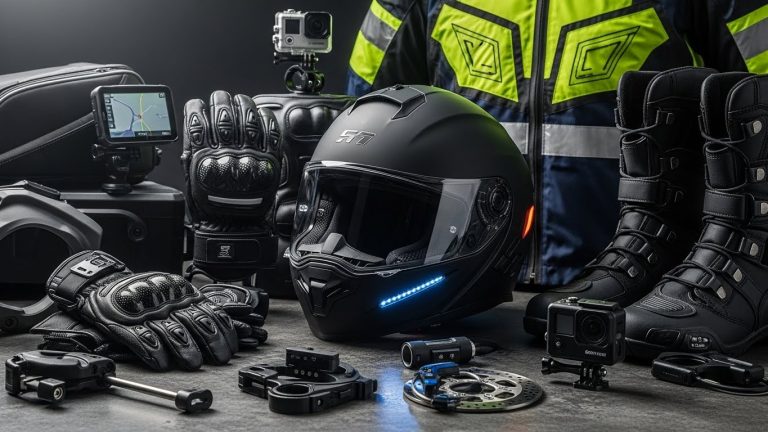
Technological advances—rider aids, ABS, better braking systems, and more durable gear—change the calculus of safety, especially for riders who log long hours or tour across varied terrain. Motorcycle clubs play a central role in shaping norms around risk and responsibility; they organize training, promote standardized riding etiquette, and propagate safety-conscious leadership within their memberships. Yet the appeal of performance culture—speed, acceleration, and the social cachet of group rides—keeps tension between risk reduction and risk-seeking impulses. In parallel, digital networks amplify visibility for group rides, gear endorsements, and brand-driven identities, which can both improve safety through shared knowledge and normalize high-risk behaviors when adrenaline and peer pressure collide with unguarded stretches of highway.
Media narratives and policy pressures
Public discourse around motorcycling frequently cycles through dramatic headlines that emphasize fear and sensational incidents. While such stories reflect real-human stakes, they can oversimplify the causes of harm or obscure structural fixes. A more productive approach recognizes the role of media in framing policy debates and in mobilizing resources for road safety, rider education, and equitable infrastructure. Policymakers face a choice between reactive enforcement—which can suppress legitimate riding activity—and proactive, data-driven strategies that align enforcement with road design, rider training, affordable protection gear, and community outreach. The balance of these choices will influence how riding culture evolves in Brazil’s cities and rural corridors over the next decade.
Actionable Takeaways
- Invest in rider education and licensing programs that emphasize practical safety, hazard anticipation, and defensive riding techniques.
- Promote and subsidize certified helmet use and protective gear, paired with public campaigns that normalize safety without stigmatizing riders.
- Prioritize road maintenance, lighting improvements, and the creation of safe corridors for two-wheeled traffic in high-density urban areas.
- Encourage responsible club leadership that enforces safety standards, provides training, and publicly values harm reduction alongside camaraderie.
- Foster data-driven policy: collect and publish regional riding risk profiles, including accident hot spots and near-miss reports to guide infrastructure and enforcement decisions.