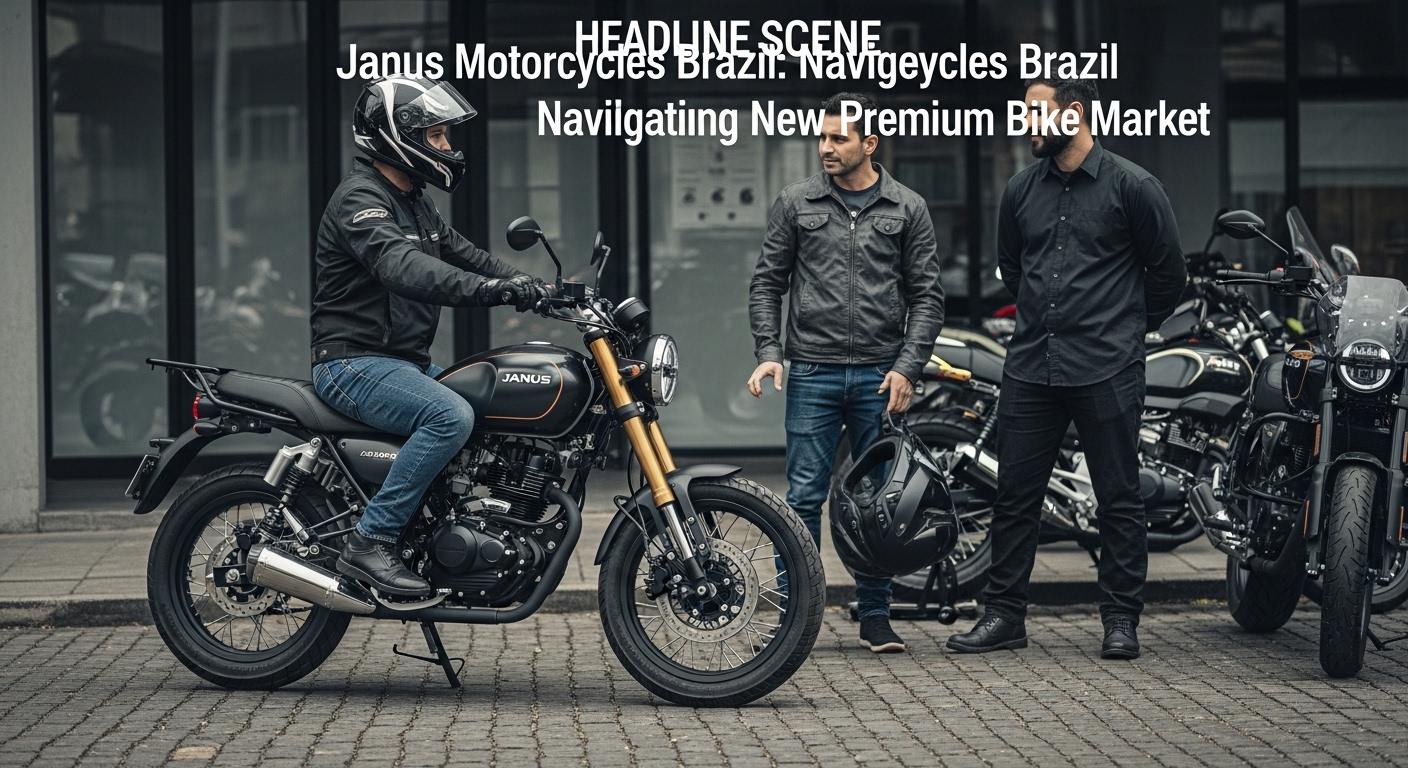
Janus motorcycle in a Brazilian urban street scene
Updated: April 9, 2026
In Brazil, harley-davidson Motorcycles Brazil stands as more than a badge on showroom walls; it signals how a global premium brand navigates a fast-evolving, price-sensitive market, where urban mobility choices, import policy, and local customization shape consumer decisions. This analysis examines how Harley-Davidson is positioned today, the drivers behind demand, and what a next phase of growth could look like for Brazil’s riders, dealers, and policy makers.
Global Context and Brazil-specific Dynamics
Viewed from a global lens, the motorcycle and scooter segment moves on a blended growth path, balancing urban commuting needs with discretionary purchases. A recent outlook places the long-run value trajectory in the low single digits, with a compound annual growth rate around 1.9% through the mid-2030s. That backdrop matters for Brazil, where macro cycles, inflation, and credit access directly translate into riders’ willingness to upgrade, customize, or switch brands. In Brazil, this translates into a market that remains resilient when urban mobility questions dominate daily life but becomes sensitive to financing costs and import prices when the local currency is volatile.
Brand Positioning and Local Consumer Dynamics
Harley-Davidson has long oriented its Brazil strategy toward premium positioning, heritage storytelling, and community-building around riding culture. Yet the Brazilian consumer landscape is not a mirror of North American or European markets. Local riders prize customization, dealer proximity, and after-sales reliability in a climate that tests mechanical endurance as much as it tests wallets. The growth of mid-market dealers offering financing and service packages has lowered the barrier for first-time buyers, even as price gaps versus larger-volume motorcycles remain substantial. This dynamic creates a tension: the brand’s aspirational pull can coexist with practical considerations about maintenance cost, fuel efficiency, and resale value in a price-sensitive economy.
Policy, Logistics, and After-Sales
Brazil’s import structure and tax regime shape Harley-Davidson’s cost base and price point. Tariffs, freight, and local compliance push some motorcycles toward higher sticker prices, influencing both demand and the incentives to localize production or assembly. A robust dealer network and certified service centers are crucial in a market where weather, road conditions, and distance between urban hubs test reliability. In response, brand and distributor partners increasingly emphasize flexible financing, warranty options, and training for technicians to sustain long-term ownership experiences in regional markets that can vary dramatically from city to city.
Scenarios for the Next Five Years
Looking ahead, several scenarios seem plausible for Harley-Davidson in Brazil, shaped by macroeconomics, policy developments, and consumer trends. A base-case scenario envisions a gradual expansion of dealership coverage, modest model diversification tailored to climate and commuting patterns, and financing programs that unlock mid-range purchases. In this path, brand loyalty grows among urban riders who seek both performance and community. A more optimistic scenario couples local assembly or semi-knockdown production with selective model adaptations, enabling price reductions and faster service while preserving premium branding. A cautious scenario warns of tighter credit cycles or policy shifts that could cap discretionary purchases, pushing the focus toward sustainability, electric mobility pilots, or co-branded mobility solutions. Across these paths, the key is balancing premium appeal with practical ownership economics in Brazil.
Actionable Takeaways
- Expand local assembly or regional production to reduce import costs and price pressure on Brazilian customers.
- Strengthen the dealer network and servicing footprint to improve uptime and resale value across major Brazilian cities.
- Develop model options and trims tailored to Brazilian climate, road conditions, and commuting needs to broaden appeal beyond premium buyers.
- Invest in financing partnerships and favorable warranty terms to ease upfront costs and foster buyer confidence.
- Engage with local riding clubs, events, and safety programs to deepen community ties and brand advocacy.
Source Context
Source Context provides background references used to inform this analysis.
From an editorial perspective, separate confirmed facts from early speculation and revisit assumptions as new verified information appears.
Track official statements, compare independent outlets, and focus on what is confirmed versus what remains under investigation.
For practical decisions, evaluate near-term risk, likely scenarios, and timing before reacting to fast-moving headlines.