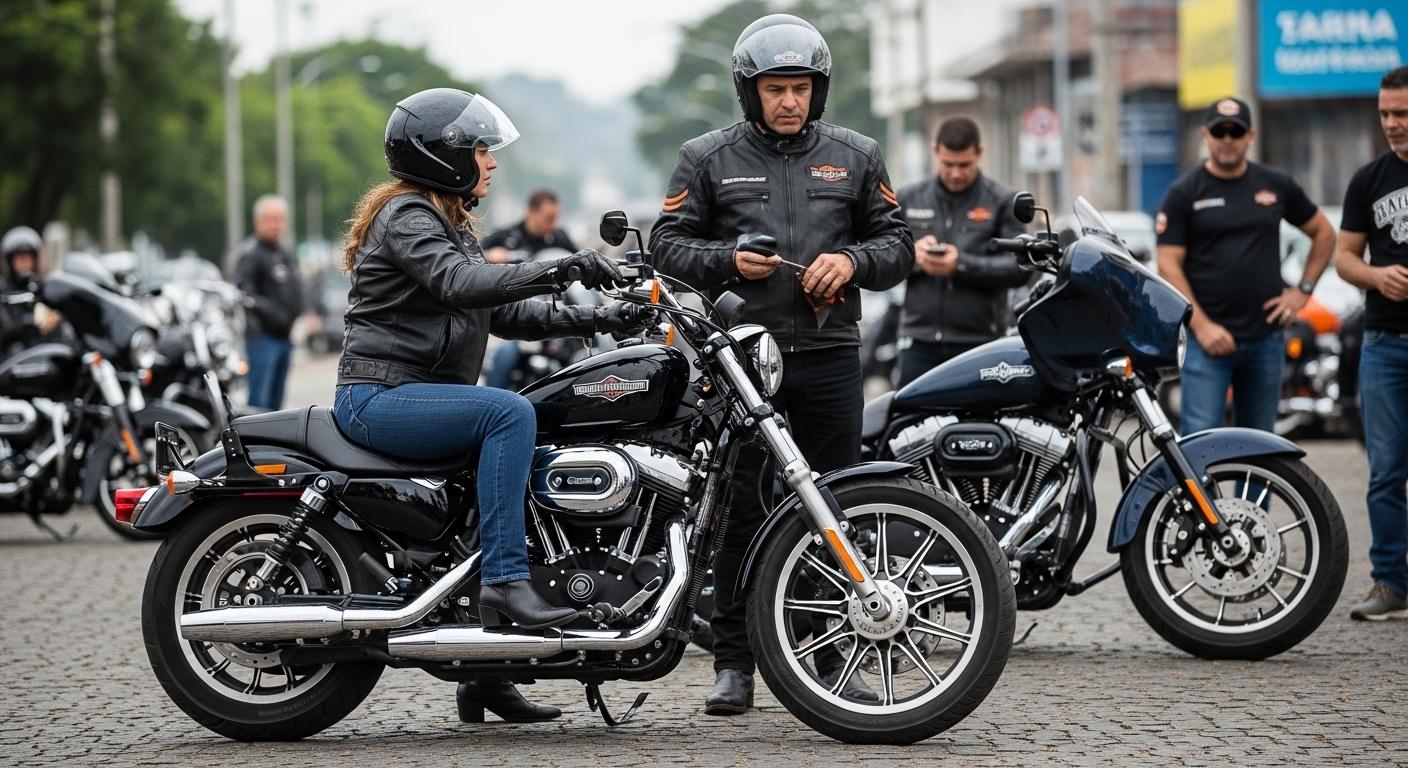
Harley-Davidson motorcycle with Brazilian urban backdrop
Updated: April 9, 2026
In Brazil, harley-davidson Motorcycles Brazil occupies a crossroads of aspirational branding and pragmatic riding culture, where iconic design meets a price-sensitive market and a complex tax regime.
Market context and Harley-Davidson strategy in Brazil
The Brazilian motorcycle market remains large and diverse, spanning entry-level commuters to high-displacement enthusiasts. For Harley-Davidson, the brand’s appeal hinges on a blend of heritage, customization culture, and a dealer network that can translate a premium image into local reality. Observers note that demand for large-displacement bikes persists among urban riders who value both performance and social signaling. But the path to scale in Brazil is not simple: currency volatility, import duties, and a challenging logistics environment can distort pricing and create a barrier to mass adoption. In this setting, Harley thrives not by volume alone, but by creating a curated ecosystem—service, parts, and community experiences—that makes ownership feel durable rather than aspirational only.
Analysts argue that success depends on balancing imported models with localized choices that respect Brazilian preferences, such as ride quality on mixed roads, aftersales reliability, and financing options aligned with Brazilian credit markets. While Harley-Davidson historically leaned on its premium image, the Brazilian market rewards practical reliability, approachable maintenance, and a sense of belonging—traits that clubs and events often amplify more than pure performance metrics.
Regulation, pricing, and accessibility
Tax policy and exchange-rate dynamics shape every Harley price tag in Brazil. Import duties, ICMS, and IPI taxes add layers to the sticker price, while local assembly options could help mitigate some cost pressures. Critics warn that volatility in the real can translate into abrupt price movements, potentially widening the gap between aspirational models and daily affordability. In response, brands with robust service networks and flexible financing can cushion the impact, making ownership more predictable for customers who rely on motorcycles for commuting or weekend riding.
Beyond pricing, regulatory alignment on safety standards, emissions, and product labeling also influences model availability. Brands that adapt to flex-fuel preferences, roadside service coverage, and warranty terms tend to build trust with Brazilian riders who value long-term ownership over short-term novelty.
Community, clubs, and consumer behavior
Brazilian motorcycling culture blends regional pride with a nationwide appetite for shared rides and social clubs. Harley-Davidson has historically benefited from this social dimension, offering a platform where riders meet, exchange knowledge, and advocate for safer roads. The rise of organized events, including classic-style gatherings and long-distance tours, has created spaces where the brand’s visual identity—heavy chrome, distinctive silhouettes, and a sound profile—resonates with enthusiasts who prize storytelling as much as speed. In this ecosystem, authentic service and durable heritage can matter as much as horsepower in turning curiosity into loyalty.
Against this backdrop, other premium brands—such as Triumph—are forging partnerships and limited-edition collections that capture a segment of the market. The Brazilian audience is discerning about value, and success hinges on a credible narrative that links European design, American legend, and local riding realities. As clubs expand their footprint, Harley’s challenge is to maintain relevance across multiple cities and riding styles without diluting its heritage message.
Actionable Takeaways
- Invest in a localized service network to reduce downtime and increase rider confidence in maintenance and parts availability.
- Offer flexible financing and more affordable entry models or certified pre-owned programs to lower the barrier to ownership.
- Strengthen partnerships with Brazilian riding clubs and events to amplify brand presence through authentic experiences.
- Align model portfolio with Brazilian road conditions, fuel types, and urban commuting patterns to broaden appeal beyond leisure riders.
Source Context
From an editorial perspective, separate confirmed facts from early speculation and revisit assumptions as new verified information appears.
Track official statements, compare independent outlets, and focus on what is confirmed versus what remains under investigation.
For practical decisions, evaluate near-term risk, likely scenarios, and timing before reacting to fast-moving headlines.
Use source quality checks: publication reputation, named attribution, publication time, and consistency across multiple reports.