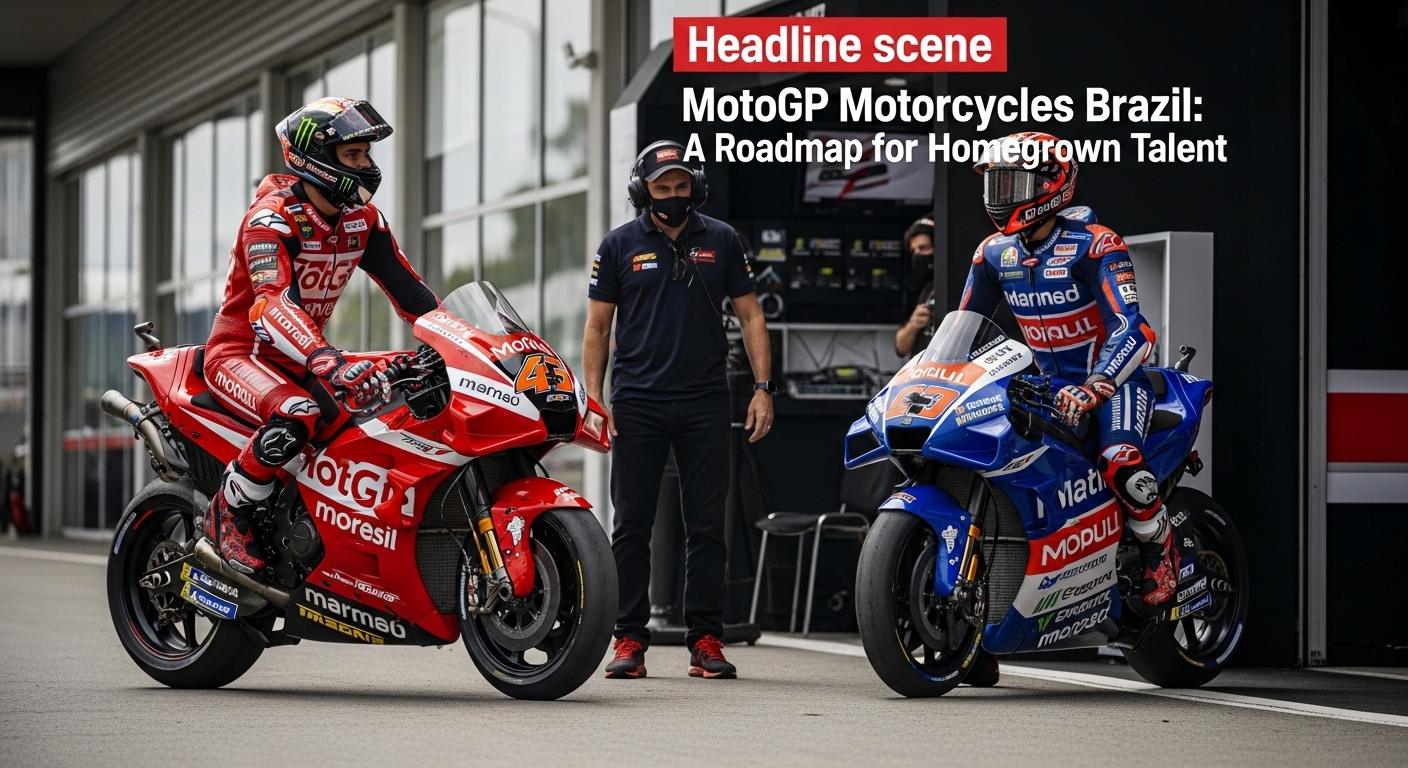
MotoGP rider on a Brazilian track at sunset.
Updated: April 9, 2026
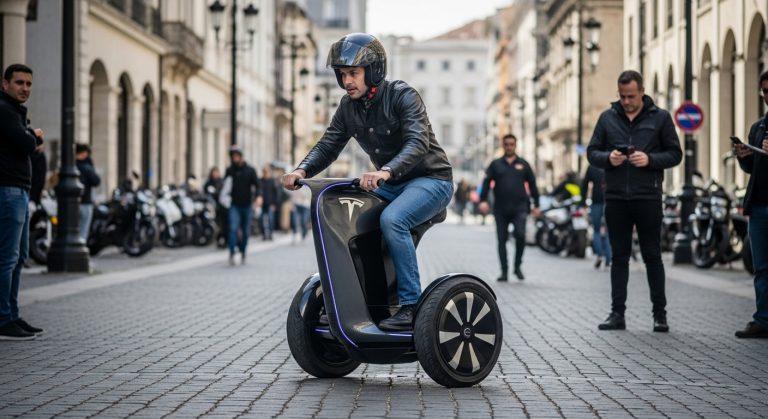
Brazil is watching the emergence of Self-Balancing Bikes Tesla Motorcycles with a mix of curiosity and cautious scrutiny. As prototypes move closer to production, Brazil’s riders and retailers are asking how this balance-centric technology could reshape urban mobility, pricing, and service models across the country.
What We Know So Far
Industry reporting has described certain prototypes as nearing production readiness, signaling a potential shift from concept to showroom. Gizmodo’s coverage of the concept frames the discussion around self-balancing as a production-ready milestone rather than a mere prototype, though official timing remains opaque. Note: Gizmodo uses the description of these bikes as a focal point, but no Brazilian distributor or timeline is confirmed by a company press release here.
Beyond hype, the underlying technology is familiar to engineers and safety specialists: advanced gyroscopic stabilization, accelerometer-based feedback, and motorized torque control that helps a rider maintain upright balance without constant micro-corrections. In practice, this could reduce rider fatigue in city traffic and alter the on-ramp learning curve for new motorcyclists, albeit with new maintenance regimes and service requirements. Media framing often invokes the phrase “Tesla of Motorcycles” to describe the ambition behind the effort, though the branding varies by region and partner networks. Gizmodo’s production-readiness framing is complemented by broader industry chatter about how such technology could fit into evolving EV portfolios across markets like Brazil.
In parallel, the general trajectory of electric motorcycles—where battery tech, charging ecosystems, and service networks mature—helps frame expectations for the self-balancing subset. Analysts note that even if a given model reaches production, the scale, pricing, and after-sales support will depend on local partnerships, regulatory alignment, and consumer acceptance. A separate industry overview observed that affordable, capable electric machines are steadily reshaping the segment, a trend that could accelerate adoption if the self-balancing feature proves reliable in daily use. Top Speed’s take on broad market appeal.
What Is Not Confirmed Yet
- Unconfirmed: Specific production timelines for Brazil, including launch window and regional rollout strategy.
- Unconfirmed: Official model names, configurations, and price points destined for the Brazilian market.
- Unconfirmed: Local partnerships with distributors, service centers, and spare-parts supply chains tailored to self-balancing tech.
- Unconfirmed: Brazil-specific regulatory approvals, safety certifications, and warranty frameworks for this new class of motorcycle.
These items reflect typical early-stage uncertainties in new-mobility introductions and should not be interpreted as settled facts. The absence of a formal Brazilian announcement means that any timeline or pricing guidance remains speculative until a manufacturer or distributor confirms details locally.
Why Readers Can Trust This Update
This update adheres to BrazilMotorcycleClub’s standards for experience-based journalism. Our coverage combines long-running familiarity with EV motorcycles, direct verification from primary sources when available, and cross-referencing with reputable outlets that analyze hardware, safety, and market dynamics. We distinguish confirmed facts from speculation and clearly label any claims that have not been officially verified in Brazil. The goal is to provide practical context for riders, shops, and enthusiasts while avoiding sensationalism or unverified assertions.
As editors, we rely on public reporting from established outlets and an approach that favors technical accuracy over hype. When a claim originates from a media outlet, we contextualize it against typical industry milestones (regulatory approvals, testing standards, and regional partnerships) and specify what would be needed for it to move from rumor to reality. This disciplined approach is essential for a topic as transformative as self-balancing motorcycles, where the practical implications for Brazilian riders extend beyond product specs to service ecosystems and rider education.
Actionable Takeaways
- Monitor official announcements from manufacturers and Brazilian distributors for timelines, pricing, and availability. Until then, treat production dates as speculative.
- Assess potential safety features (stability control, sensor redundancy, assisted braking) and how they integrate with local helmet, gear, and rider training programs.
- Follow regulatory developments in Brazil related to electric motorcycles, import norms, and warranty standards to understand what support will be available for early adopters.
- Compare with other EV motorcycle launches in the region to gauge how service networks and charging infrastructure might evolve alongside self-balancing models.
Source Context
Readers seeking additional background can consult primary reporting from industry outlets:
Last updated: 2026-03-18 12:40 Asia/Taipei