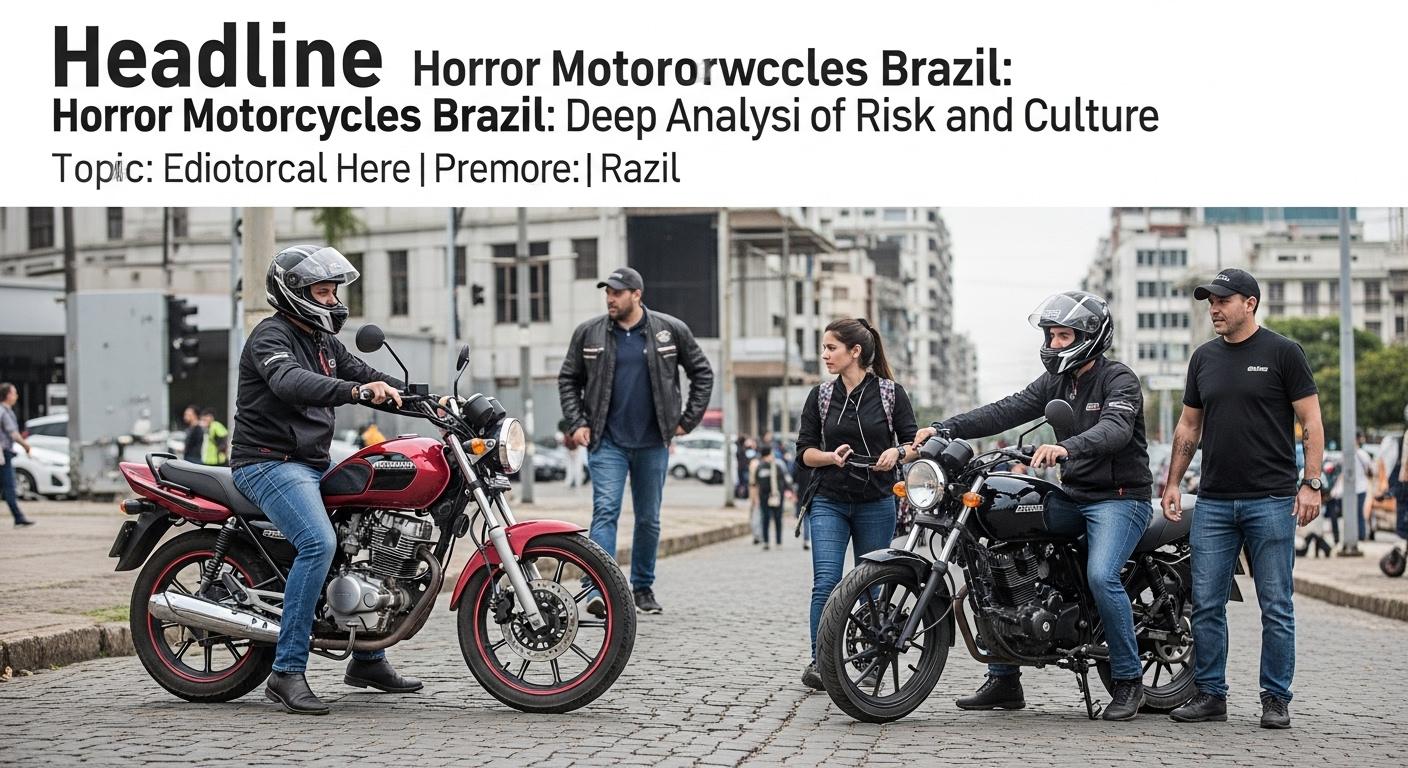
Brazilian urban street scene with motorcycles at dusk.
Updated: April 9, 2026
Across Brazil’s crowded avenues and winding rural roads, the phrase horror Motorcycles Brazil has entered public discourse as a shorthand for how motorcycles shape fear, policy, and daily life. This analysis examines that volatile intersection—where riding culture, crime dynamics, and urban governance collide—and asks how riders, clubs, and communities can navigate risk without surrendering mobility.
Context: Brazil’s motorcycle culture and risk signals
In Brazil, motorcycles are more than a vehicle; they are a lifeline for workers, delivery riders, and informal entrepreneurs navigating volatile urban geographies. The same machines that speed a small business along congested streets also highlight structural vulnerabilities: uneven road surfaces, gaps in helmet and licensing enforcement, and a public safety discourse that can swing quickly between admiration for mobility and fear of exposure to violence. When headlines preach horror about motorcycles, they often reflect a wider narrative: a city in flux where infrastructure, policing, and social inequality intersect on two wheels.
Rider communities flourish across states—from dense capitals to regional hubs—producing a culture of identity, routine, and mutual aid. Yet this culture exists alongside a backdrop of crime and traffic fatalities that place a premium on caution. Observers note that even routine rides can become risk environments if road users disregard basic rules, if gear is incomplete, or if aggressive behavior from other road users goes unchecked. The result is a landscape where the allure of speed competes with the imperative of safety, and policy makers struggle to balance mobility with protection.
Safety, enforcement, and subculture dynamics
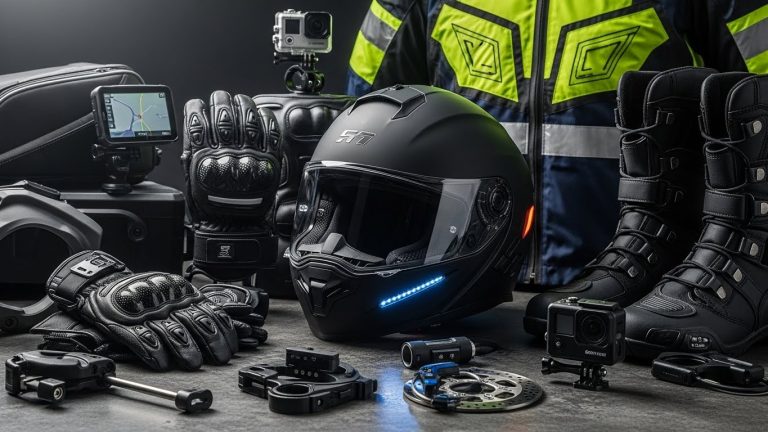
Brazil has made strides in helmet use, rider training, and bike safety standards, yet enforcement remains uneven across cities and states. DETRAN and municipal traffic departments push for licensing compliance, but the rapid expansion of gig riding and club-organized events strains capacity. Within motorcycle clubs, norms govern membership, stunts, and public conduct; friction between rival groups can escalate during public ceremonies or informal gatherings. Safety gear—full-face helmets, protective jackets, gloves, and boots—reduces risk but is not universal; affordability and cultural perceptions of style or masculinity can hinder adoption. When violence touches a funeral procession or a popular rally, fear spreads through neighborhoods, influencing rider choices and event planning. The challenge for officials is not only patching dangerous behavior but also aligning policing with community trust, so riders feel they are part of a safer urban ecosystem rather than targets of heavy-handed tactics.
Economic and social drivers behind violent incidents
Economic inequality and precarious work arrangements feed the vulnerability of riders who rely on two wheels for survival. In many areas, motorcycles are a low-cost path to income—food delivery, courier services, and informal commerce—yet that same mobility can be exploited by criminals seeking rapid transport or to stage intimidation. Funeral processions, political rallies, and large public gatherings create opportunities for crowding and opportunistic violence, and the presence of motorcycles in these flows amplifies the speed and reach of threats. Analysts argue that improvements in road safety must be paired with social policy: job creation, education, and crime prevention programs that address root causes rather than only enforcing traffic rules. The ‘horror’ framing often arises when a single incident reverberates through a community, shaping perception more than the statistical risk; the goal for policy must be to reduce both the fear and the reality of harm on roads and at gatherings.
Scenario framing: what lies ahead for riders and clubs
Looking forward, several plausible paths emerge. A proactive safety agenda could pair better enforcement with rider education and club governance reforms, encouraging clubs to adopt codes of conduct and to vet members. Investment in urban infrastructure—protected lanes, lighting, traffic-calming measures—could reduce accident severity and reframe road safety as a collective responsibility rather than a policing challenge. Technology such as ABS-equipped motorcycles, advanced rider training, and data-driven policing could help prevent incidents while preserving mobility for those who depend on motorcycles for work. Conversely, a reactive approach focusing on punishment without community engagement risks alienating riders and driving unsafe practices underground. In the Brazilian context, where public trust in institutions has fluctuated, the balance between enforcement and dialogue will determine whether horror-related narratives recede or persist in city storytelling.
Actionable Takeaways
- Riders should wear certified protective gear, maintain their bikes, and complete accredited safety courses to reduce exposure to harm.
- Motorcycle clubs should implement clear codes of conduct, member vetting, and channels for reporting dangerous behavior to authorities.
- Event organizers and local authorities should coordinate security planning, crowd management, and emergency response for rides and ceremonies.
- Families and communities should support safe travel plans and crisis awareness without stigmatizing riders or clubs.
- Policymakers should invest in road safety, data-driven enforcement, and community outreach programs to address root causes and rebuild trust.
- Media outlets should balance reporting with context to avoid sensationalism and help the public understand risk levels and safety improvements.