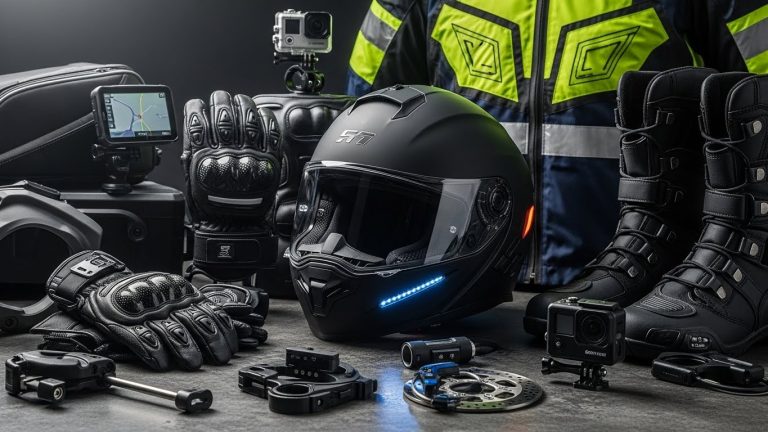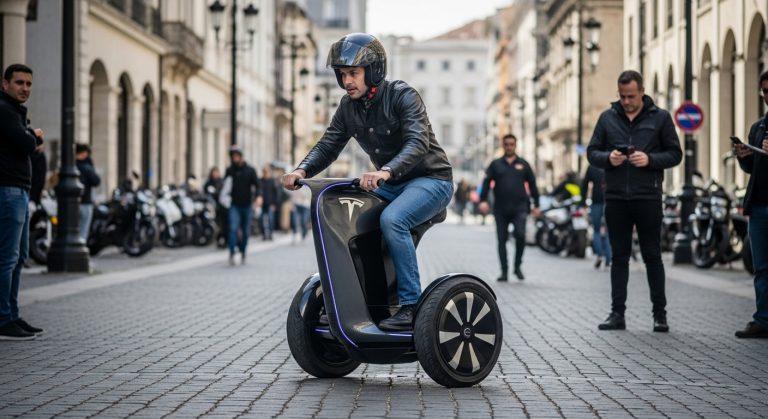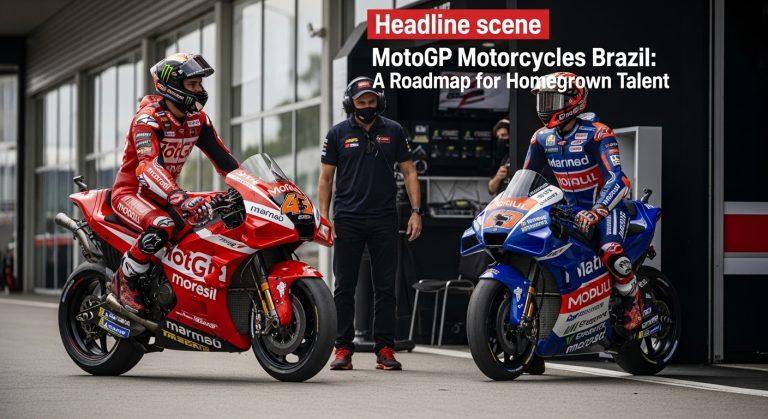
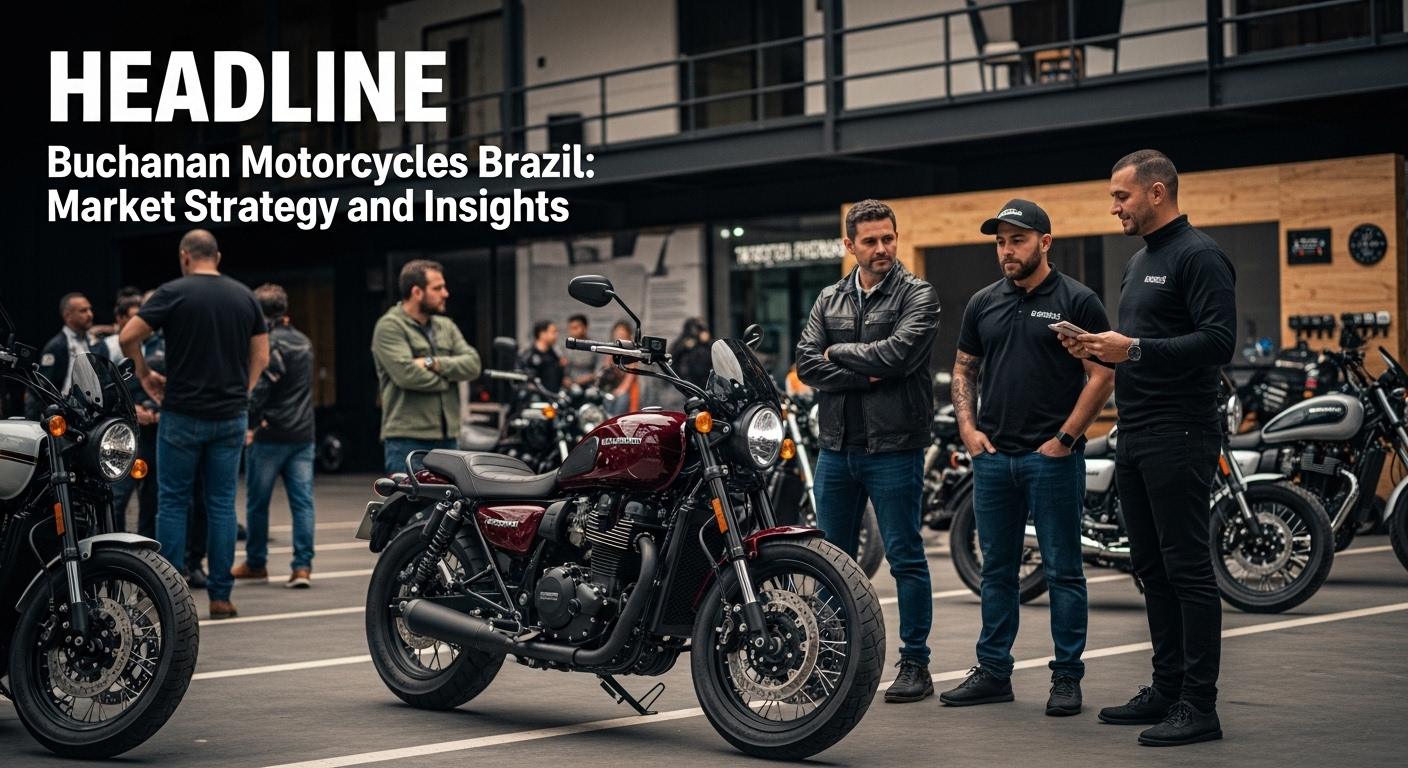
Showroom and rider with Buchanan motorcycles in Brazil amid urban traffic.
Updated: April 9, 2026
From outlaw club runs to showroom-floor revolutions, the maverick Motorcycles Brazil phenomenon is redefining how enthusiasts view risk, craft, and community on Brazilian roads. This analysis examines why that ethos resonates from São Paulo to the interior and how market forces, policy choices, and club culture intersect to shape the future of two wheels in Brazil.
Context: The Maverick Ethos in Brazil
Across Brazilian cities, a pattern emerges: riders who prefer customization, reject one-size-fits-all branding, and treat motorcycles as a form of portable identity. The maverick ethos blends DIY spirit with a social calendar built around informal rides, local meets, and cross-town exchanges of parts and know‑how. This is not solely a hobby; it is a way of navigating a volatile urban landscape where mobility is both a necessity and a statement.
Historically, small workshops and regional builders filled a gap left by mass-market models. Today, that tradition persists, but with tighter ties to online communities and regional events that transcend neighborhood boundaries. The result is a decentralized ecosystem where credibility comes from hands-on experience, not factory showroom promises. In this sense, the maverick approach doubles as a survival strategy—learning to adapt quickly to road conditions, parts availability, and shifting consumer tastes.
Market Forces Behind the Maverick Movement
Market dynamics in Brazil contribute to how the maverick movement evolves. Currency fluctuations, import duties on components, and the rising cost of new motorcycles push buyers toward older platforms that can be upgraded piece by piece. Local shops, with tighter margins but greater flexibility than large importers, become hubs for customization. This translates into a thriving aftermarket culture where riders trade and retrofit components to fit local roads, climates, and rider physiques.
At the same time, financing for new bikes remains nuanced. Banks and microcredit institutions sometimes offer attractive terms for established riders, yet uncertainty about policy direction and interest rates encourages prudent spending. In this environment, knowledge sharing—how to source parts, how to calibrate suspensions, and how to optimize fuel efficiency—becomes as valuable as the bike itself. The result is a market that rewards practical innovation and sustainable upgrades over flashy, factory-spec models.
Riders, Clubs, and the Fabric of Community
Clubs function as social networks that bind riders across generations and regions. They often operate with informal codes of conduct, including safety norms, ride etiquette, and mutual aid on the road. This community supports novices as they learn to handle heavier bikes, navigate traffic, and join longer routes. Events—whether weekend runs, charity rides, or skill workshops—create spaces where knowledge is transmitted in trusted, experiential ways rather than through advertisements alone.
Gender, generation, and geography all shape participation. While urban areas host larger exhibitive gatherings, rural and semi-urban clubs drive the hands-on, problem-solving culture that underpins the movement. The social fabric is reinforced by shared gear, maintenance tips, and the practical rituals of club life—like group formation on highways, pre-ride safety checks, and post-ride debriefs about tire wear and braking performance. This is less about rebellion in a vacuum and more about constructing reliable networks where risk is managed through collective competence.
Policy, Infrastructure, and the Road Ahead
As Brazil debates urban mobility and safety standards, policymakers face a delicate balance between encouraging personal mobility and mitigating risk. Helmet use, rider training, and licensing processes are central to this conversation. Infrastructure quality—road surfaces, signage, lighting, and lane management—directly affects how the maverick segment operates. In a practical sense, better roads and clearer rules can reduce accident severity, which in turn sustains demand for upgrades and customization rather than punitive restrictions on riders.
Digital platforms and data-driven safety initiatives hold promise for coordinating clubs without eroding the authenticity of the experience. For manufacturers and retailers, a market that prizes reliability and adaptability means product lines that allow modular upgrades, local sourcing options, and service networks that align with regional riding patterns. In short, the road ahead depends on a coordinated mix of policy clarity, infrastructure investment, and community-led safety culture—each reinforcing the others in a feedback loop that strengthens the maverick movement rather than constraining it.
Actionable Takeaways
- Riders: Prioritize protective gear and seek out certified training programs; join or form a local club to access peer-led knowledge and safer riding practices.
- Clubs: Establish a transparent code of conduct, safety check routines before rides, and mentorship tracks for newcomers to reduce risk and build trust.
- Retailers and builders: Support modular upgrades, offer genuine local parts, and provide maintenance education that helps riders extend the life of their bikes.
- Policymakers: Promote rider education, simplify access to necessary parts, and invest in road maintenance and lighting to improve safety across all riding groups.
- Media and industry analysts: Portray the diversity of the rider community, avoiding sensationalism, and highlight practical, scalable solutions that improve everyday riding life.
Source Context
Source materials and related reporting used to frame this analysis: