Brazilian motorcycle club members at a rally with MotoGP branding and national colors.
Updated: April 9, 2026
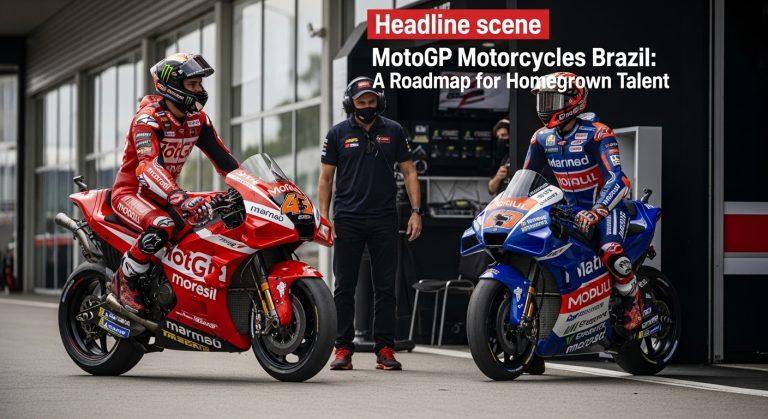
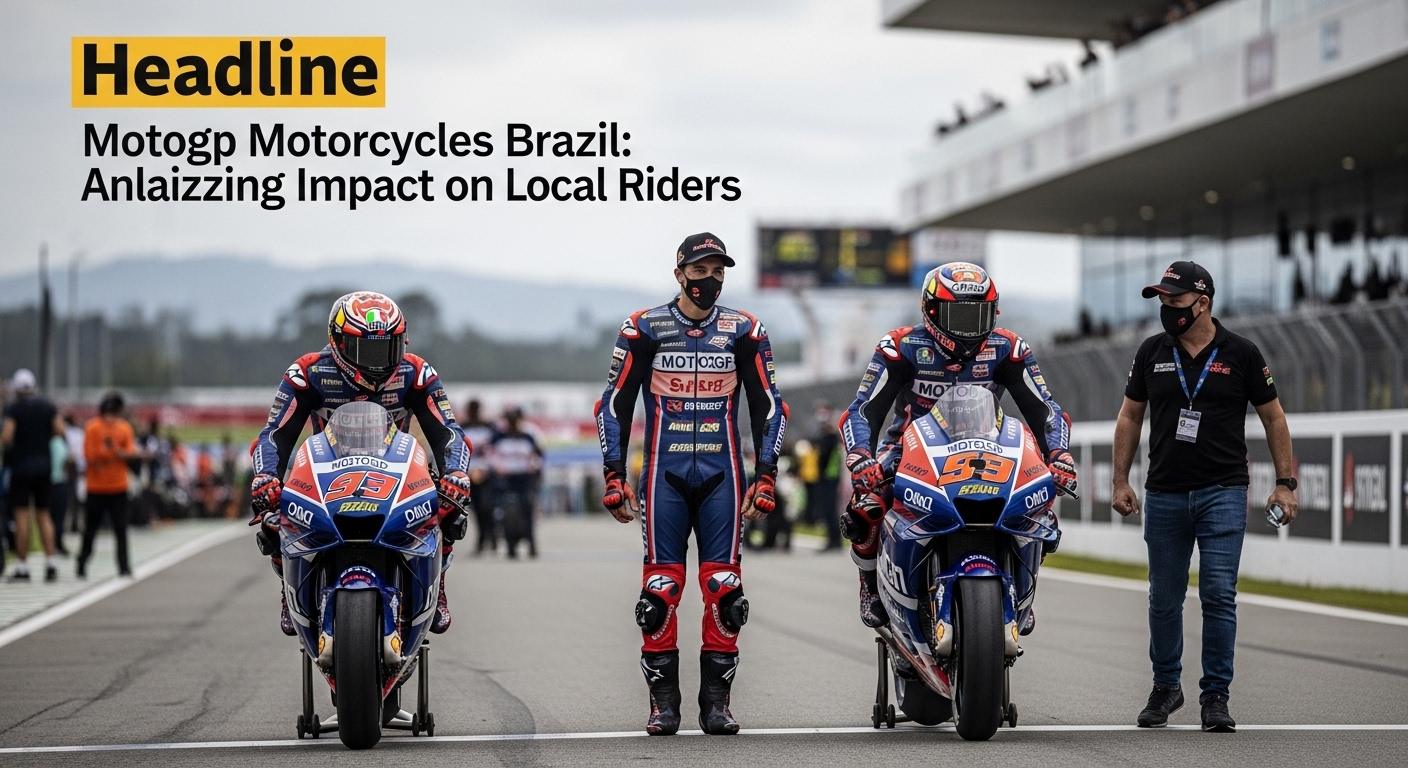
As Brazil’s vast motorcycle community confronts shifting markets and new sponsorship models, motogp Motorcycles Brazil emerges as a lens into how global branding could reshape local scenes. The question for clubs, riders, and sponsors is not merely whether the MotoGP brand will arrive here, but how Brazilian ecosystems can adapt to international standards of competition, media reach, and youth development.
Context and Market Dynamics
Brazil has a large, deeply embedded two-wheeled culture where motorcycles are a common means of mobility and a growing platform for sport. Brand manufacturers, dealers, and aftermarket suppliers already invest heavily in the local scene, and fan engagement is increasingly shaped by digital media and regional events. If motogp branding or organizational models were to expand in Brazil, the opportunity would not simply be about a logo on a poster; it would influence sponsorship structures, access to high-performance machinery, and the pathways through which young riders migrate from local clubs to international platforms. The challenge for policymakers and industry leaders is to align incentives—safety, infrastructure, and affordable access—with a potential influx of global attention.
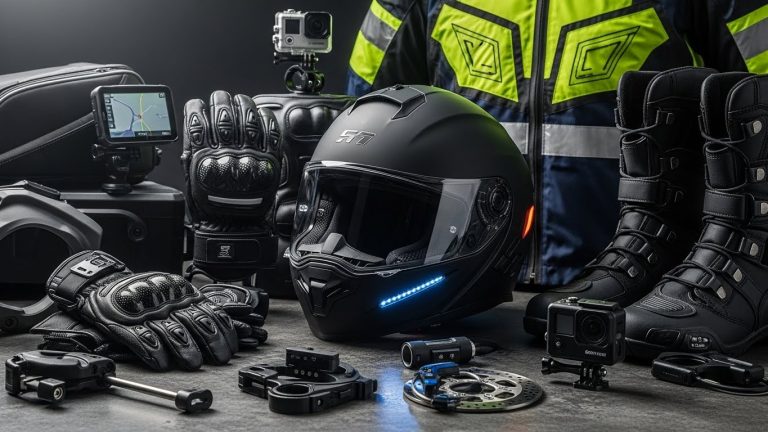
Historically, Brazil has produced competitive riders and a culture of weekend track days, but the gap between grassroots participation and top-tier professional exposure remains pronounced. Any push toward larger-scale international linkage would need to address this gap—whether by formal feeder series, shared training facilities, or cross-promotional media that translate local performance into global interest. While the exact timeline for a Brazilian MotoGP event remains uncertain, the signalling effect on domestic teams, sponsorship appetites, and fan engagement is already measurable in the way clubs recalibrate training emphasis and gear choices.
Rider Development and Infrastructure
Rider development in Brazil hinges on access to quality coaching, safe riding environments, and credible competition ladders. Local clubs have long served as informal academies, yet aspiring prospects often struggle to find standardized curricula and data-driven coaching that mirrors international best practices. A practical signal from the MotoGP ecosystem would be to establish joint development pilots—circuit-adjacent academies, rider-science partnerships, and performance analytics—that can be scaled across states. Infrastructure investment matters too: reliable tracks, lighting for evening sessions, and consistent scheduling that accommodates school-year calendars can convert sporadic talent into repeatable performance. Without this, the broader Brazilian market risks losing potential stars to countries with more accessible pipelines or better-funded junior programs.
Beyond formal academies, clubs must consider safety culture, rider welfare, and career longevity. An emphasis on rider fitness, mental coaching, and nutrition—areas common in top-tier teams—could become differentiators for Brazilian athletes seeking global opportunities. In parallel, a robust domestic calendar with predictable rules, transparent licensing, and standardized safety gear requirements would help attract teams who want to test new riders in a controlled environment before stepping onto larger stages.
Branding, Sponsorship, and Media
The media landscape in Brazil is increasingly porous to global sport narratives, with fans consuming content through streaming, social platforms, and localized broadcasts. A motogp-style uplift in the market would compress the time needed for Brazilian sponsors to translate brand value into on-track performance. Local sponsors—range from manufacturers to energy brands and telecommunications providers—could benefit from co-branding opportunities that tie performance metrics to fan engagement. Local clubs, meanwhile, must sharpen their value propositions: how youth programs convert into recognizable talent and how fans connect that talent to a visible pathway toward the world stage. Media strategy should prioritize bilingual or Portuguese-English content, highlight rider profiles, and offer behind-the-scenes access that can be packaged into digital series and live events.
Global media partnerships would also matter. A Brazil-focused feed that aggregates regional race days, rider interviews, and technical explainers could help domestic fans feel the same sense of proximity that European or Asian markets enjoy during race weekends. In this environment, the role of clubs as community anchors becomes critical: they translate global signals into daily practice, organize local watch parties, and curate gear and apparel that reflect both national pride and aspirational international links.
Policy, Safety, and Events
Policy and safety frameworks are the underpinnings of any serious motorcycling growth strategy. Considerations include track licensing standards, rider eligibility, and import regimes for bikes and components. A coordinated approach would involve stakeholders from municipal authorities, track operators, manufacturers, and rider associations to create predictable rules for events, practice sessions, and testing. The economics of hosting larger events—such as risk-sharing models, insurance coverage, and infrastructure upgrades—must be weighed against the long-term public benefits of a thriving rider ecosystem. While an official Brazilian MotoGP round may be years away, staged exhibitions and regional showcases could serve as proof points to secure private and public investment in training facilities, safety enhancements, and youth development pipelines.
In practice, a staged approach would require clear milestones: a pilot regional series with standardized safety protocols, a talent-identification program aligned with international standards, and a transparent sponsorship framework that connects Brazilian riders with global brands. The alignment of educational institutions, clubs, and manufacturers around these milestones could accelerate Brazil’s readiness to participate meaningfully in higher levels of competition when opportunities arise.
Actionable Takeaways
- Establish a national rider-development framework in partnership with clubs, tracks, and schools that mirrors international coaching standards and uses data-driven performance metrics.
- Create a domestic feeder series with clear licensing, safety rules, and prize structures designed to attract sponsors and nurture talent from youth programs to pro-level competition.
- Invest in bilingual media content and fan-engagement programs to build a Brazil-wide community that can translate local results into global interest and sponsorship opportunities.
- Promote joint partnerships between local manufacturers, distributors, and sports brands to sponsor academies, events, and safe-track initiatives that highlight Brazilian talent.
- Plan staged exhibitions or regional showcases to test logistics, demonstrate audience demand, and unlock investment for safer tracks and training facilities.