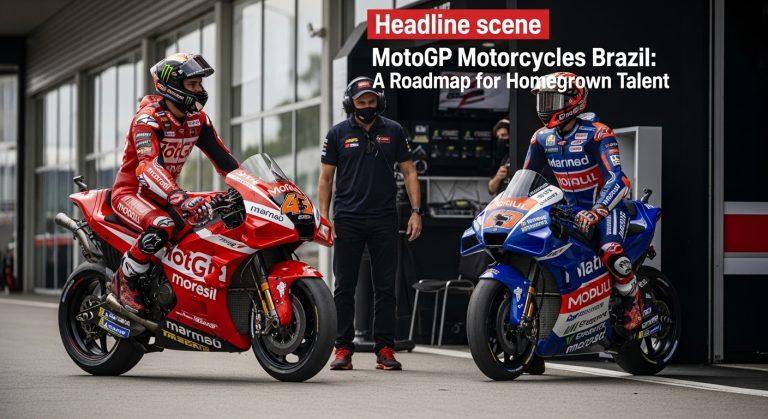
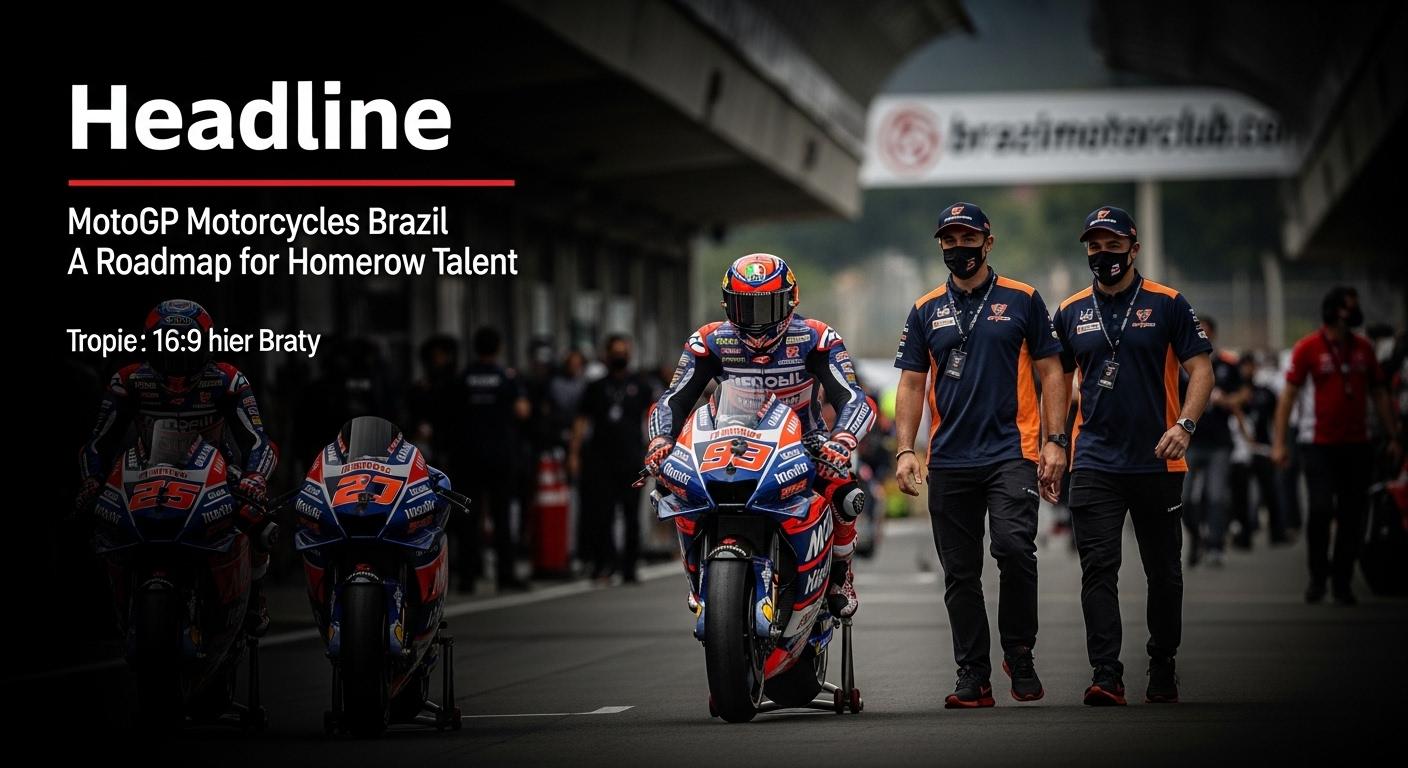
MotoGP rider on a Brazilian track at sunset.
Updated: April 9, 2026
motogp Motorcycles Brazil stands at a crossroads between global spectacle and local endurance. For Brazil’s millions of riders and a club culture that thrives on regional speed, the prospect of MotoGP in the country is more than a marquee event; it tests how far Brazil can scale its racing ecosystem—from grassroots circuits to sponsor-driven teams—and whether global interest can translate into durable domestic growth. As the sport expands into new markets, Brazil’s answer will hinge on a pragmatic mix of infrastructure, youth development, and stand-alone business partnerships that align public, private, and fan interests.
Brazil’s MotoGP Ambition and Market Dynamics
Brazil already commands a vast motorcycle market, with riders enriched by a dense network of clubs, local championships, and aftermarket ecosystems. A formal MotoGP presence here would not simply be a prestige upgrade; it could recalibrate how teams recruit talent, how sponsors balance risk and return, and how media rights translate into national engagement. The opportunity rests on translating global attention into a durable, scalable domestic program—one that leverages Brazil’s storytelling potential, regional circuits, and a resilient consumer base for motorcycles and accessories. But this requires a disciplined approach to risk, including staged investments, transparent governance, and clear milestones that connect a future grand prix to short- and mid-term development benefits for riders, mechanics, and event operations.
Crucially, the Brazilian market is not a monolith. It comprises rapidly urbanizing centers, lower-mileage rural pockets, and a thriving club scene that can serve as a talent cradle. If policy makers and sporting bodies coordinate with brands, media partners, and state-level incentives, a phased pathway could emerge—starting with regional tests, progressing to national-level events, and eventually integrating into the global calendar. The process demands a clear value proposition for stakeholders: jobs, tourism, technology transfer, and a pipeline that feeds into the international arena without destabilizing existing domestic leagues.
Infrastructure and the Local Track Landscape
Top-tier MotoGP racing imposes exacting standards for circuits: robust run-off, fencing, medical facilities, media infrastructure, and efficient logistics. Brazil’s portfolio of racetracks varies widely in capability. Some venues have the atmosphere and crowd potential that appeal to national audiences, yet many require upgrades to safety, pit facilities, and spectator experiences. A practical Brazil strategy would involve a rigorous audit of candidate circuits, aligning upgrades with a staged investment plan that prioritizes cost-efficiency, safety, and reliability. Additionally, the surrounding transport links, city-sponsor alignment, and climate realities must be weighed to minimize disruption during peak race windows. In this context, the long horizon matters: a city might invest in a multi-year upgrade program, while simultaneously cultivating local talent and a domestic support series that can mature in parallel with track improvements.
Because a world-class event also hinges on technical partnerships, Brazil’s development path should encourage transfer of knowledge from established circuits abroad. Partnerships with teams, equipment suppliers, and safety-technology providers can help domestic facilities catch up faster than standalone investments. The result would be a gradual elevation of the racing ecosystem rather than a single, high-cost leap. This approach aligns with the broader Brazilian motorsport calendar, where careful calibration of risk and reward can attract sponsors, broadcasters, and fans without destabilizing existing platforms.
Youth Talent, Clubs, and the Development Pipeline
A sustainable MotoGP future in Brazil rests on a robust development pipeline that begins at local clubs and schools and extends to regional academies, national championships, and international exposure. Brazil’s club culture already nurtures riders who understand bike dynamics, mechanical setups, and rider fitness—elements that translate well to higher levels of competition. The challenge is unlocking sustained funding, access to high-quality coaching, and opportunities to compete in standardized formats that mirror global standards. A coherent strategy would integrate the Confederação Brasileira de Motociclismo (CBM) with regional federations to standardize rules, safety protocols, and rider progression, while also creating pathways for underrepresented groups to participate and advance. Public-private partnerships could channel sponsorships into rider academies, wheel-to-wheel programs, and safe-track training that emphasizes both performance and rider welfare. The more Brazil can pair technical instruction with entrepreneurship—teaching young riders to manage sponsorships, media, and branding—the stronger the domestic talent pool will become for international teams that rely on homegrown engineers and riders as a competitive edge.
Beyond on-bike talent, there is a need to cultivate the support ecosystem: certified mechanics, data engineers, and tire/wear specialists who understand the nuances of international competition. Universities and technical institutes can contribute by offering programs in motorsport engineering, analytics, and project management tailored to race operations. A disciplined approach to talent development, wrapped in clear contractual milestones and transparent funding, can create a virtuous cycle where success at the domestic level translates into opportunities on the world stage. In this framework, motogp Motorcycles Brazil becomes less a single event and more a catalyst for a broader, sustainable motorsport economy that multiplies jobs, skills, and domestic innovation across the country.
Actionable Takeaways
- Define a phased roadmap: start with regional demonstration events to test logistic, safety, and sponsorship readiness before committing to a full international race in a Brazilian city.
- Create a standardized domestic championship aligned with international rules to develop riders, teams, and engineers in a controlled environment.
- Invest in track safety and facilities with a public-private funding model that includes government incentives and private sponsorship to spread risk.
- Strengthen the CBM’s regulatory framework to unify rider licensing, safety standards, and competition formats across federations and regions.
- Develop rider academies and technical pipelines that connect clubs to national teams and foreign opportunities, emphasizing education, sponsorship literacy, and media skills.
- Engage Brazilian manufacturers and suppliers to build local capability in bike maintenance, telemetry, and procurement for both domestic and international teams.
- Prioritize fan experience and accessibility: language- and data-driven content, streaming options, and affordable ticketing to grow a devoted audience.
- Craft a clear marketing narrative that positions motogp Motorcycles Brazil as a long-term investments in talent, infrastructure, and regional economic development.
Source Context
For readers seeking additional context on MotoGP, Brazilian motorsport governance, and regional market dynamics, consult the following sources: