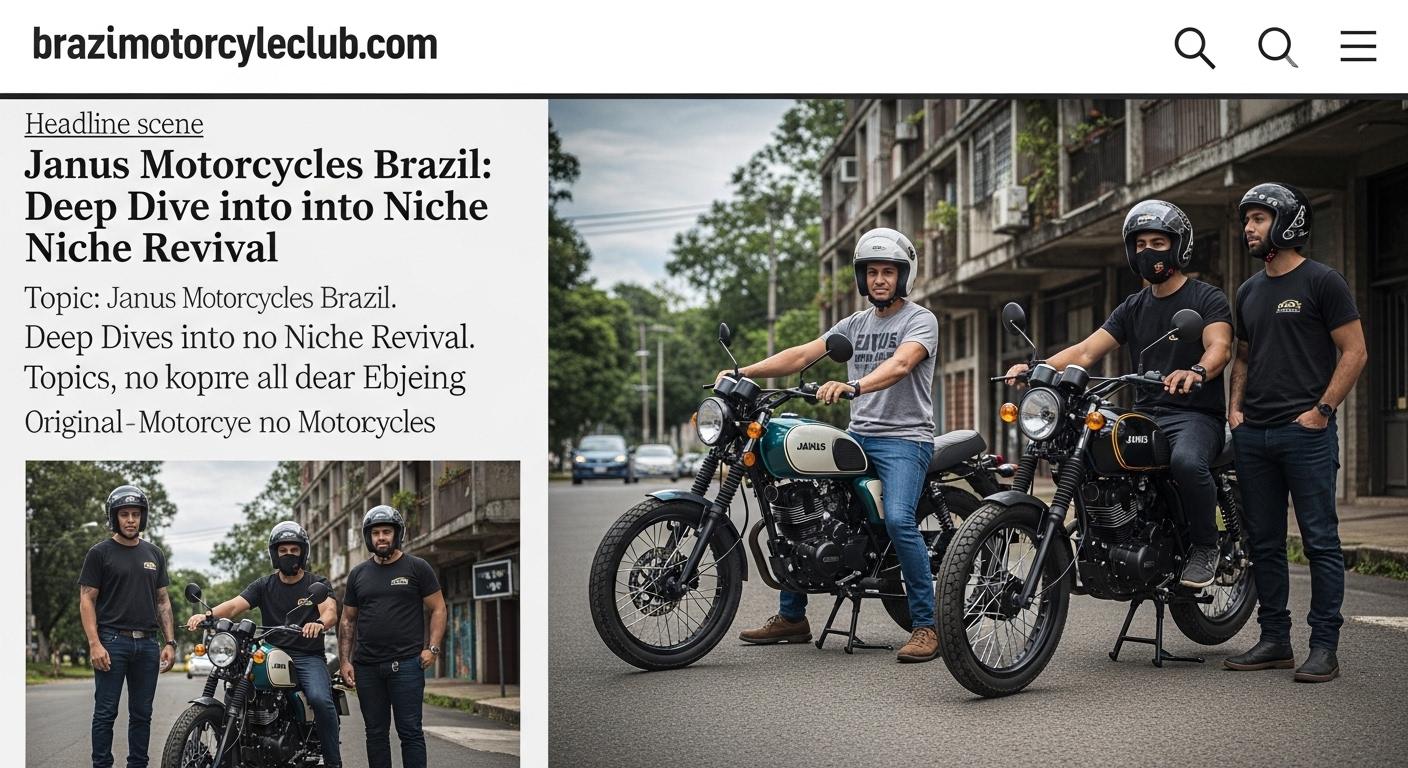
Showroom and street scene with Janus-style motorcycle in a Brazilian city.
Updated: April 9, 2026
rushlane Motorcycles Brazil provides a candid lens on a country where riding is both heritage and livelihood, and where policy shifts ripple through clubs, shops, and streets. As urban mobility evolves, the partnership between riders, manufacturers, and local authorities will determine whether Brazil’s two-wheeled economy accelerates safely or falters under systemic gaps.
Context: Brazil’s two-wheeled culture and regulatory drift
In Brazilian cities, motorcycles have long been a practical answer to traffic and topography. They carry groceries, ferry workers, and serve as a gateway for young riders to join formal economies. Within this ecology, informal clubs and organized groups knit social ties, coordinate rides, and drive safety norms through peer guidance. Yet the regulatory frame around licensing, helmet compliance, and speed enforcement has not kept pace with the rapid changes in how motorcycles are used. Recent municipal and federal conversations hint at a tightening of training requirements and more systematic enforcement, from helmet checks on busy avenues to digital record-keeping of violations. The result is a riddle for riders: how to balance the immediacy of urban mobility with the longer-term risk calculus that safety and insurance demand? The potential is not merely punitive; policy shifts can also catalyze a higher standard of rider education and accountability if designed with clubs as partners, not adversaries.
Economic stakes: manufacturing, riders, and the aftermarket
Brazil remains a large and price-sensitive motorcycle market. Domestic assembly lines, assembly incentives, and the distribution networks of Honda, Yamaha, and other brands shape what bikes are available to urban commuters and professional couriers alike. The aftermarket—ranging from protective gear to suspension components and braking upgrades—helps riders tailor bikes to local needs, but it also introduces variability in performance and safety if not subject to reasonable standards. Rider demographics are shifting: more riders in major cities are urban professionals, delivery riders, and second-bike households, while new entrants push up demand for affordable, reliable machines. In this context, clubs and retailers are not just enthusiasts; they are logistics hubs, information brokers, and safety advocates who can influence purchasing decisions through demonstration rides, maintenance clinics, and community safety campaigns. The sustainability of Brazil’s two-wheeled economy hinges on a delicate balance between affordable access and clear quality benchmarks across the supply chain.
Policy, enforcement, and safety gaps
Momentum toward stricter traffic enforcement is visible, but policy implementation remains uneven. Speed cameras, fines, and licensing checks can raise safety standards, yet riders report inconsistent application across cities and neighborhoods. For clubs, this mix creates a risk-reward dynamic: urging safety compliance can be beneficial, but excessive penalties or opaque rules can erode rides and dampen community organizing. The challenge is to translate safety intent into practical gains—more comprehensive training, standardized gear requirements, and transparent enforcement protocols that are openly communicated to riders and clubs. International comparisons show that when enforcement is predictable and coupled with accessible training, compliance follows a social logic rather than a punitive impulse. Brazil’s path may follow a similar pattern if policymakers and club leaders co-create programs that emphasize skill-building, mentorship, and information-sharing as much as penalties.
Technology, safety, and data: shaping the ride
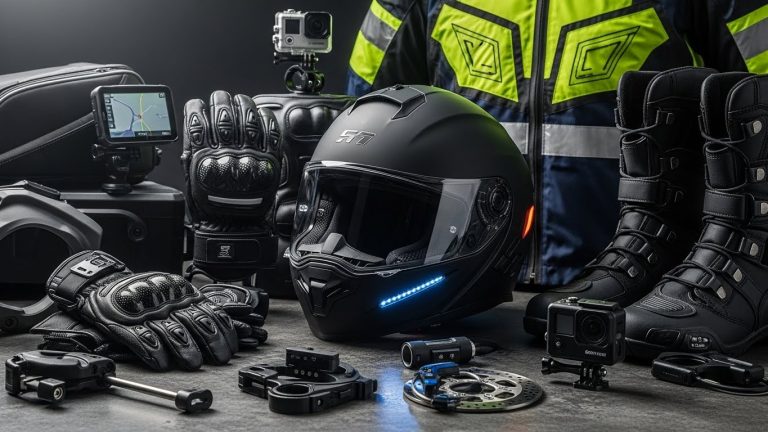
New motorcycles sold in Brazil often bundle safety features, and riders are increasingly aware of the benefits of rider aids such as ABS and improved braking. Digital tools—apps for route planning, maintenance tracking, and even real-time hazard alerts—seed a data-driven safety culture, especially when clubs organize safety rides and check-ins. The evolution of dense urban traffic also pushes riders toward smarter behavior: speed discipline during peak hours, predictable signaling in group rides, and the adoption of protective gear as standard rather than optional. For the two-wheeled ecosystem, technology offers a route to safer riding if it is paired with education and infrastructure: better street lighting, clearer lane markings, and dedicated motorcycle lanes that reflect the tempo of Brazilian cities. The broader takeaway is that technology alone does not guarantee safety; it must be paired with user-friendly training, credible standards, and public-private collaboration to turn data into practical action on the ground.
Actionable Takeaways
- Expand rider education: support certified training programs and mentorship within clubs to elevate baseline skills and risk awareness.
- Partner with authorities to pilot rider-safety corridors that combine reduced speeds, protected lanes, and synchronized enforcement in high-traffic areas.
- Standardize gear and maintenance benchmarks across retailers to reduce variability in safety performance.
- Encourage data-sharing between clubs, manufacturers, and municipalities to identify high-risk routes and times for targeted improvements.
- Promote inclusive club leadership that encourages women and new riders, ensuring safety culture grows with the community.
Source Context
For further reading and context, consider these sources: