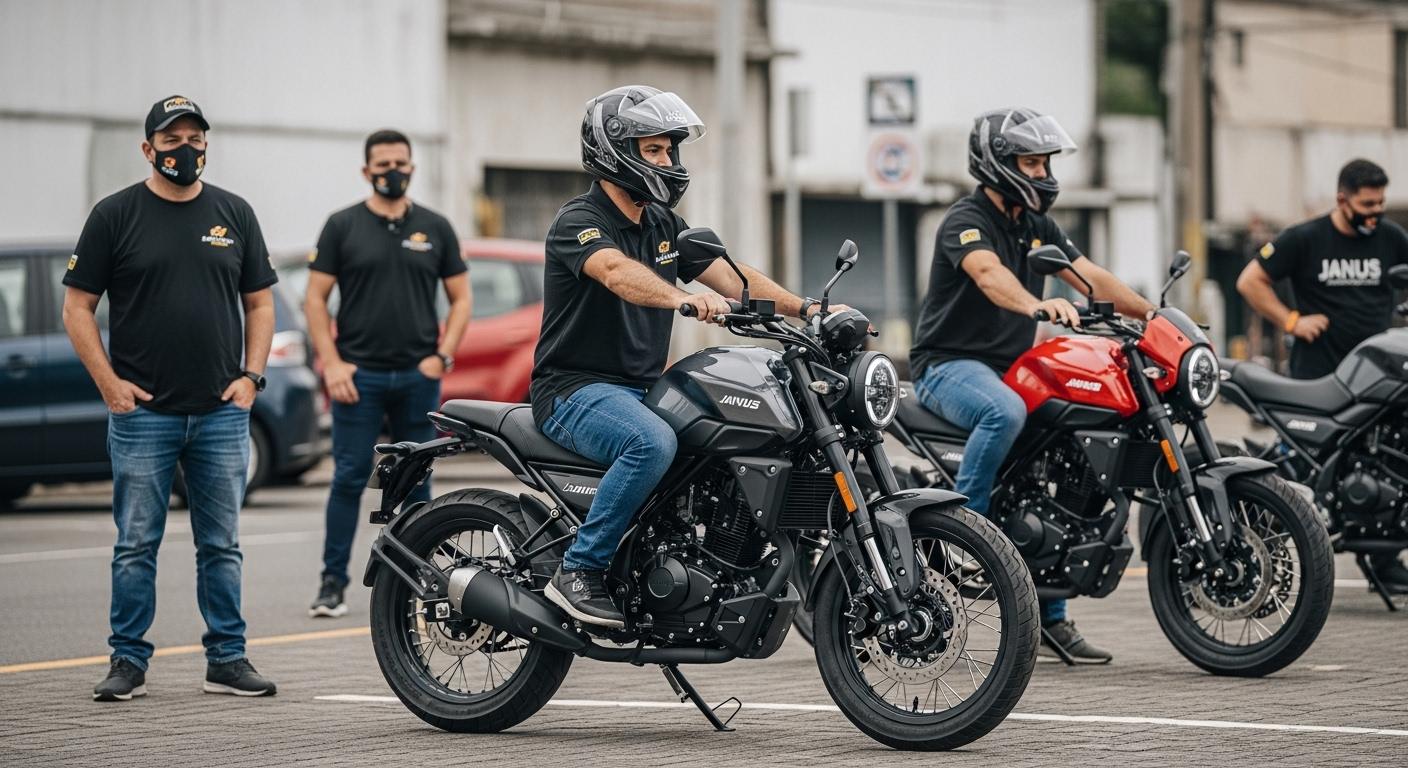
Janus-style retro motorcycle in a Brazilian city street, symbolizing Brazil market entry.
Updated: April 9, 2026
Across Brazilian cities, motorcycles are lifelines for work, family, and everyday logistics, and their role is shaping the nation’s urban politics as much as its road conditions. For readers following rushlane Motorcycles Brazil, the moment demands a deep, data-driven look at how riding culture, safety metrics, and policy intersect on the streets.
Context: Brazil’s evolving two-wheeler culture
Two wheels long ago became a practical answer to traffic saturation, uneven public transport, and the need for agile delivery in dense urban cores. Today, riding culture in Brazil blends pragmatism with identity. Clubs and informal rider networks map not only routes but routines of risk assessment—how riders choose gear, when they depart for work, and where they gather after shifts. This ecosystem operates with a mix of tradition and modernization: signature hand signals and group rides sit alongside GPS-guided navigation, aftermarket accessories, and a growing emphasis on safety gear. Demand for motorcycles remains robust across income brackets, as affordable maintenance and fuel efficiency make two wheels a persistent feature of urban mobility. Yet the same culture that values camaraderie also faces scrutiny from policymakers who are asking for measurable safety outcomes and clearer accountability on the road.
The broader transport landscape in Brazil—including car traffic and public transit—creates a pressure cooker effect on riding. When buses and trains fail to meet demand, motorcycles fill gaps but also take on more of the risk premium that comes with crowded urban spaces. In that sense, the evolution of riding culture is inseparable from the evolution of infrastructure and governance. For clubs that organize rides, charitable events, and safety workshops, there is a natural alignment between community leadership and public interest in reducing harm on the streets. The central question for riders and policymakers is how to sustain momentum: preserve the social benefits of motorcycling while raising the baseline safety standard for everyone on the road.
Policy and enforcement: cameras, fines, and attitudes
Policy environments in Brazilian cities increasingly rely on automated tools to shape behavior. Speed cameras, traffic monitoring, and cross-jurisdictional enforcement mechanisms have become more common as municipalities respond to congestion and road trauma. The effect on rider behavior is nuanced. Some riders respond by adjusting speeds and routes, while others perceive enforcement as uneven or selectively applied, particularly in areas with heavier traffic or fewer enforcement resources. This discrepancy can influence trust between riders and authorities, which matters because cooperation is essential for implementing new safety programs and for collecting reliable data on incidents and near misses.
Enforcement is not simply about penalties; it also concerns clarity of rules and predictability. Riders benefit from clearly communicated standards for protective gear, lane use, and speed limits, coupled with transparent notification of infringements and fair appeals processes. When enforcement is perceived as consistent and intelligible, compliance tends to improve, and it creates space for constructive dialogue between rider communities and city planners. For clubs, partnering with local agencies on safety campaigns—such as helmet fitting clinics, rider education, and visible signage—can transform enforcement from a punitive posture into a shared obligation for safer roads.
Economic realities and rider safety
The economics of motorcycling in Brazil shape safety outcomes as much as technology and policy. Lower upfront costs and accessible financing options make motorcycles attractive to a broad segment of urban dwellers, but ongoing maintenance and parts availability remain critical considerations. When budgets are tight, riders may delay essential maintenance or choose lower-cost protective gear, which can erode safety levels over time. Conversely, a growing market for affordable safety equipment, quality training, and service networks can elevate safety without pricing riders out of the market. Financing structures, after-sales support, and the availability of reliable service centers influence decisions about upgrading to safer, more reliable models with advanced braking and stability features.
Another dimension is the economics of delivery work and part-time riding. Many riders depend on motorcycles for income, which can create pressure to ride longer hours with imperfect rest periods. This fatigue element, combined with dense urban traffic, increases the probability of fatigue-related errors. Communities that invest in rider fatigue awareness, rest policies for gig workers, and access to safer, more dependable bikes can mitigate these risks while preserving the economic benefits of motorcycle-based mobility.
Technology and the next frontier
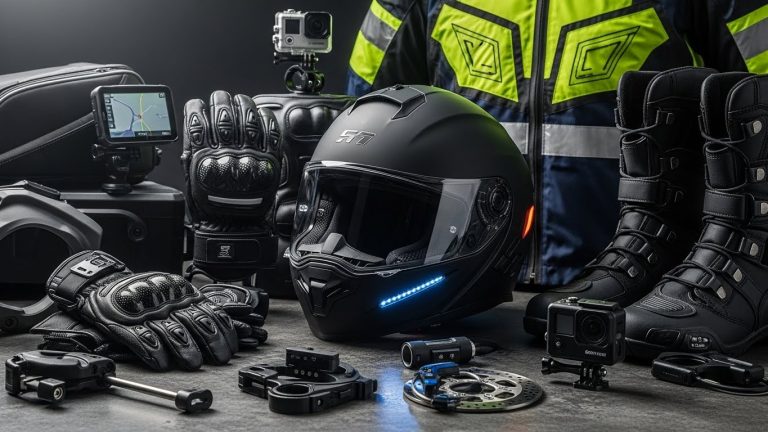
Technology offers a practical pathway to safer riding without sacrificing mobility. Modern motorcycles increasingly come equipped with anti-lock braking systems (ABS), improved traction control, and more reliable electrical systems that reduce the odds of on-road failures. For new riders and clubs, the emphasis is shifting toward integrated safety ecosystems: better protective gear, intuitive maintenance dashboards, and rider training that emphasizes decision-making under pressure. Telemetry and connected gear—such as smart helmets, ride analytics, and emergency notifications—can support safer riding habits and faster responses to incidents. In urban policy, data-driven approaches enable targeted interventions—like safer street design, clearer bike lanes adjacent to traffic flows, and optimized signal timings that minimize the need for risky lane changes in heavy traffic. The practical implication is straightforward: technology should augment human safety without creating new points of failure for riders who rely on two wheels every day.
For Brazil’s motorcycling community, collaboration between engineers, clubs, and local governments is key. Pilot programs that test affordable, scalable safety technologies in real neighborhoods can reveal what works at scale. As the market evolves, the clubs that prioritize training and gear are best positioned to translate technical improvements into tangible safety gains on the ground. In short, smart adoption of technology, when paired with disciplined rider education, has the potential to raise the baseline safety without slowing the pace of urban mobility.
Actionable Takeaways
- Invest in rider training programs that go beyond basic licensing, emphasizing hazard perception, cornering at urban speeds, and group riding discipline.
- Partner with local authorities to host safety workshops, helmet fitting clinics, and visible bike-safety campaigns at popular club meetups.
- Promote standardized gear usage within clubs, including certified helmets, protective jackets, gloves, and boots tailored to Brazilian road conditions.
- Advocate for transparent enforcement practices and clear penalties, while supporting data collection that informs safer infrastructure planning.
- Encourage clubs to collaborate with manufacturers and service networks to provide affordable, reliable motorcycle options with built-in safety features.
- Support public investment in safer street design and dedicated motorcycle lanes to reduce weaving and conflict points in dense urban corridors.
- Utilize technology thoughtfully—promote access to maintenance data, telematics, and emergency alert systems without creating privacy or cost barriers for riders.
- Foster a culture of mutual aid among riders, including ride-lead standards, roadside assistance partnerships, and post-incident debriefs to improve collective learning.
Source Context
The following sources provide background context used in this analysis. They are listed for readers who want to explore related coverage and framing: