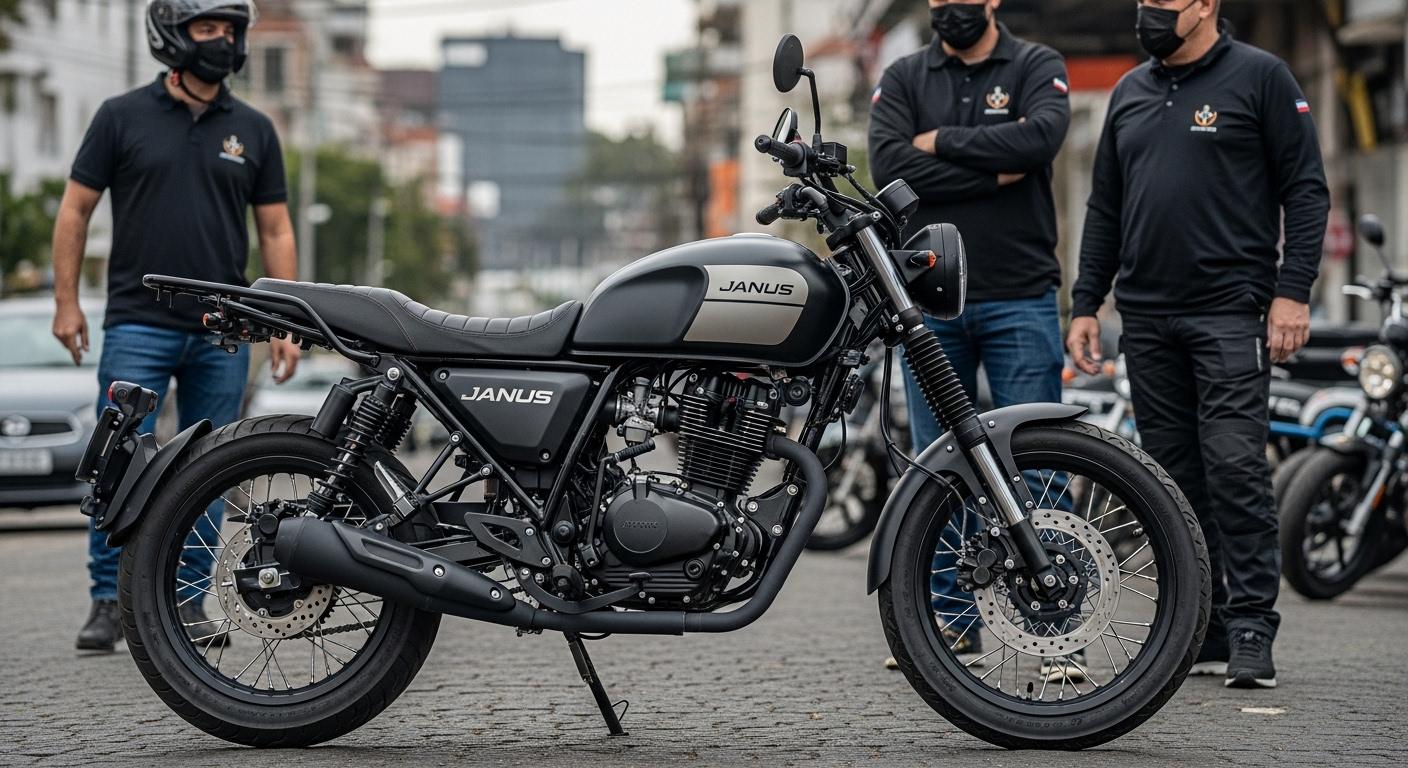
Janus-style retro motorcycle in a Brazilian city street, symbolizing Brazil market entry.
Updated: April 9, 2026
Brazil remains a proving ground for premium motorcycling brands as urban mobility debates, consumer credit, and aspirational identity converge on two wheels. Within this landscape, harley-davidson Motorcycles Brazil stands as more than a badge; it is a lens on how global brands adapt to local constraints and preferences. This analysis examines the pressures, opportunities, and strategic choices shaping Harley’s Brazilian footprint, and what riders, dealers, and policy observers should watch in the coming years.
Market Context in Brazil
The Brazilian motorcycle market is diverse, with a large base of affordable, mass-market models alongside a growing segment of premium machines. In urban centers, bikes are a practical solution for congested streets and limited car parking, while in leisure and touring circles there is a vibrant culture around custom builds, club rides, and brand-driven experiences. Premium brands face a price-sensitive environment where import costs, financing terms, and currency volatility directly influence sticker prices and consumer willingness to buy new. At the same time, a robust network of dealerships, service centers, and aftermarket communities supports value retention—important factors for riders considering a long-term ownership experience with a brand like Harley-Davidson. This context helps explain why Harley’s Brazilian approach emphasizes not just product, but experiences—events, clubs, and service networks that sustain loyalty even as macro headwinds persist.
Harley-Davidson Position and Strategy in Brazil
Harley-Davidson in Brazil operates at the intersection of prestige and practicality. The brand’s strength rests on more than a portfolio of iconic motorcycles; it relies on a curated network of authorized dealers, strong after-sales support, and a culture of customization that resonates with Brazilian riders. Pricing remains a critical hurdle, as premium models compete with locally assembled or import-touched alternatives from other manufacturers. To sustain growth, Harley-Davidson Brazil has historically leaned into experiences—rider events, partnerships with clubs, and branded merchandise—as a way to deepen emotional resonance and foster a sense of belonging. Strategically, opportunities may lie in expanding local service capacity, offering financing options tailored to Brazilian credit conditions, and exploring selective local assembly or localization initiatives that could reduce costs without diluting the brand’s identity. Such moves would need to balance supply chain resilience with the premium positioning that defines Harley’s appeal in this market.
Economic and Policy Drivers Shaping the Market
The Brazilian macro environment affects premium motorcycle players through several channels. Currency swings shape the landed cost of imported bikes, spare parts, and accessories, while import duties and taxes influence final consumer prices. Fluctuations in interest rates and consumer credit conditions determine the affordability of entering a higher-ticket category. Policy developments around emissions standards, traffic regulations, and urban mobility incentives will also influence demand for larger displacement motorcycles and their role in leisure riding versus commuter use. Beyond taxes and tariffs, the local ecosystem—dealership footprints, service networks, and the availability of certified mechanics—plays a decisive role in sustaining confidence among buyers who expect reliable maintenance and resale value from a premium brand like Harley-Davidson.
Scenarios for 2026-2028 and Implications
Three plausible trajectories help frame strategic thinking for Harley-Davidson Brazil and its stakeholders. In a baseline scenario, the market grows gradually as urban mobility preferences evolve and financing options improve, allowing premium models to reach more qualified buyers. Harley could deepen brand experiences and expand service coverage to protect after-sales value while maintaining price discipline. A second upside scenario envisions more favorable currency dynamics or targeted localization—perhaps in limited assembly or region-specific models—that lowers production costs and expands the addressable market without eroding the brand’s premium image. In a downside scenario, macroeconomic stress or policy tightening raises financing costs and suppresses discretionary purchases, pressuring premium segments to contract. In such a case, Harley’s resilience would depend on a strong loyalty program, selective promotions, and a robust used-bike channel to sustain volume and brand engagement even when new-bike demand softens.
Actionable Takeaways
- Riders and clubs should prioritize branded experiences that build community and demonstrate long-term value beyond a single model purchase.
- Dealers can differentiate through enhanced after-sales support, transparent financing options, and education on maintenance to protect ownership costs.
- Policy watchers and industry stakeholders should monitor currency trends, import policy shifts, and tax changes that affect premium motorcycle pricing.
- Harley-Davidson Brazil might explore selective local assembly or localization pilots to improve cost competitiveness while preserving premium positioning.
- Retailers should cultivate a diverse inventory that includes certified pre-owned programs to broaden accessibility without diluting brand prestige.