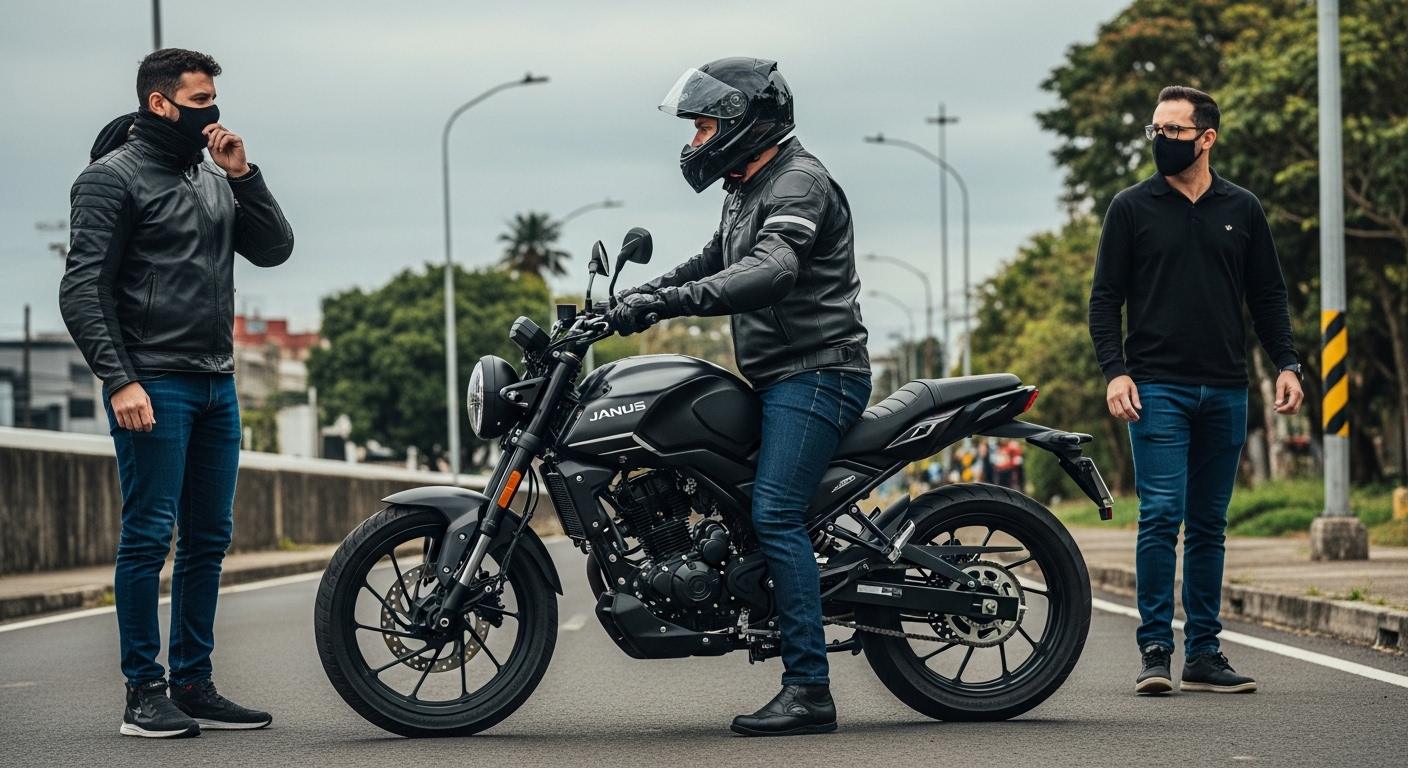
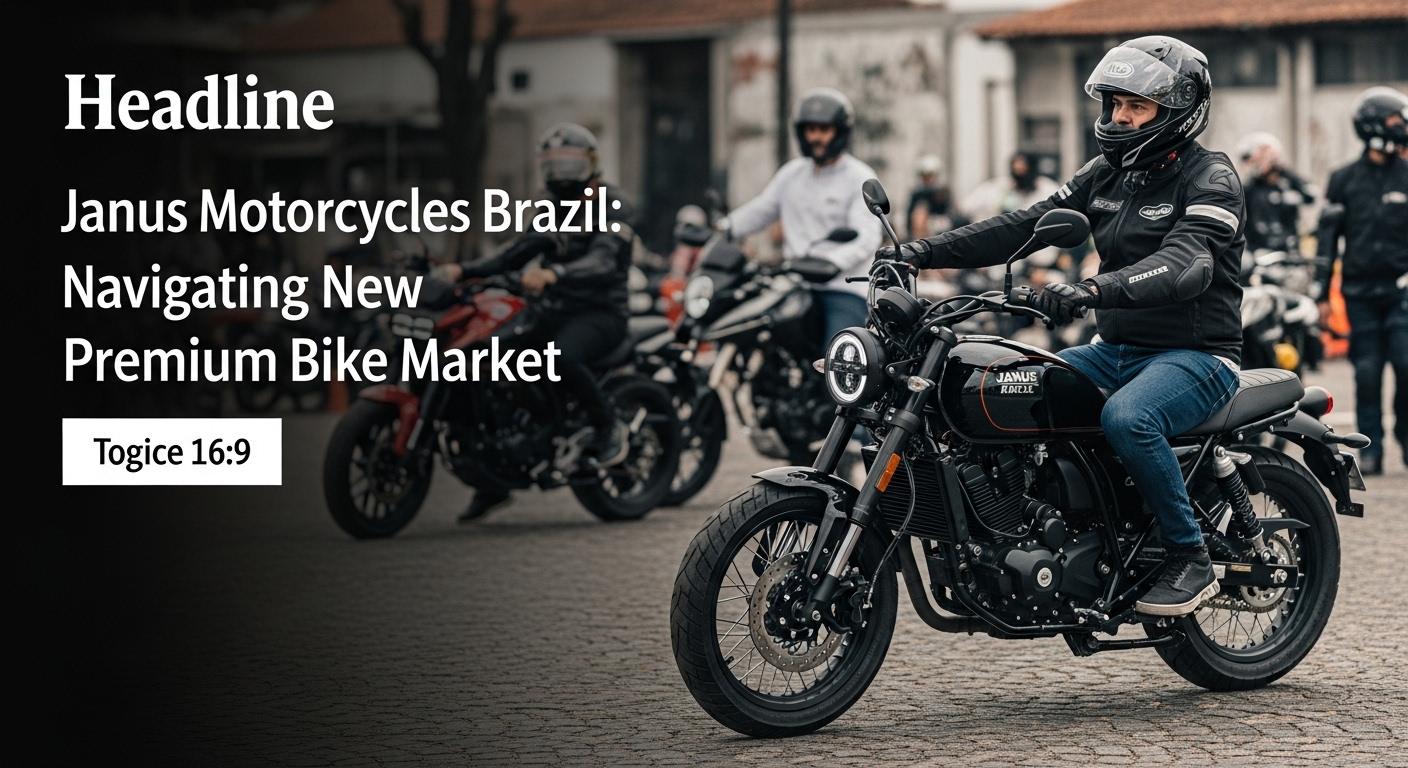
Janus motorcycle in a Brazilian urban street scene
Updated: April 9, 2026
In Brazil, janus Motorcycles Brazil is emerging as a test case for premium, retro-inspired bikes in dense urban centers. For Brazilian buyers, the appeal lies in a distinct identity—vehicles that tell a story beyond horsepower—paired with modern engineering that promises reliability in city traffic. This analysis explores how regulatory, economic, and cultural dynamics in Brazil could determine whether a niche brand can translate curiosity into durable sales, and what decision-makers must weigh to avoid misallocating resources.
Context: Brazil’s motorcycle market and the Janus proposition
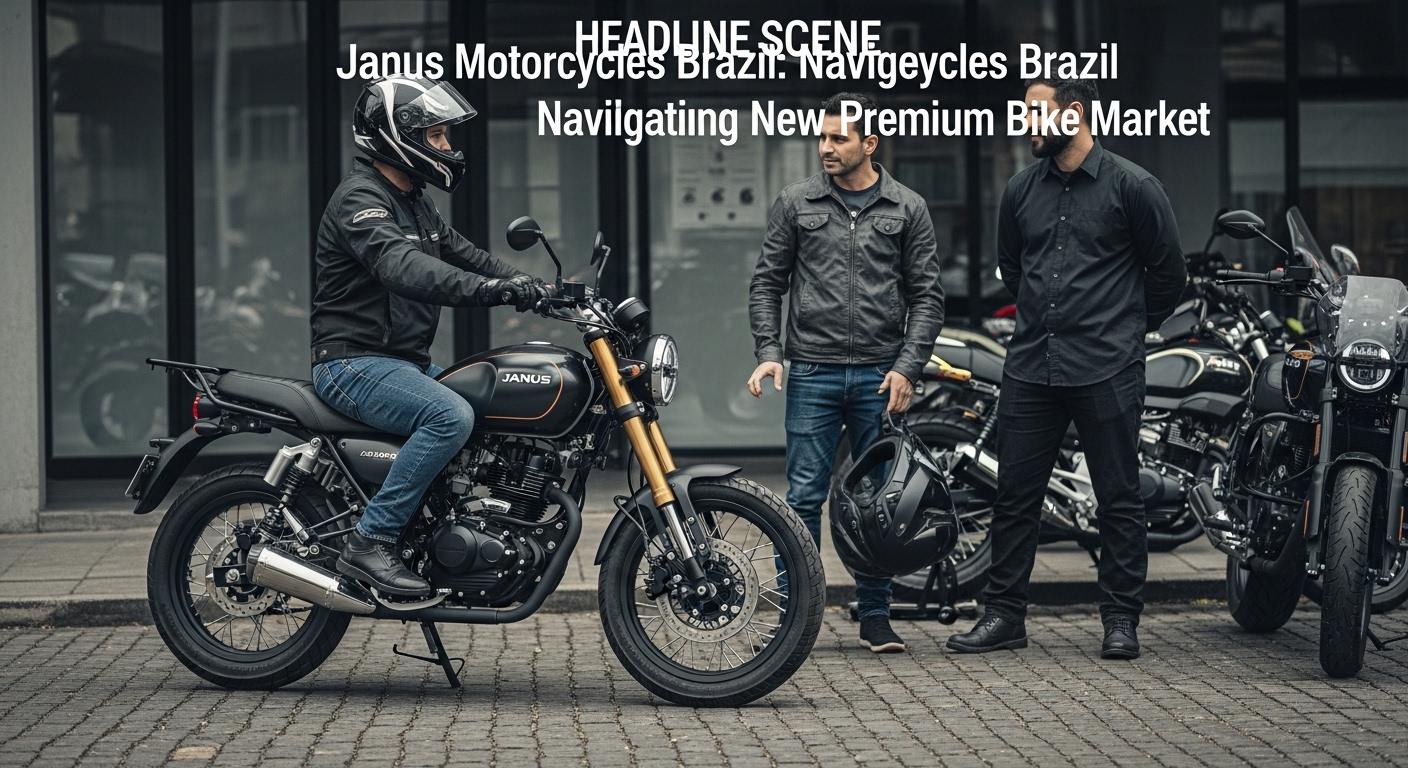
Motorcycle usage in Brazil is deeply woven into daily life in many large cities, where two wheels can outpace bottlenecks and parking challenges. The premium segment—bikes with distinctive design and higher build quality—has grown alongside a culture of customization and rider communities. Janus Motorcycles, with its handcrafted, retro-tinged lineup, enters this space by promising not only aesthetics but a glide path toward reliability and distinct brand storytelling. Yet the journey from boutique appeal to sustained sales is sensitive to cost calculations, service reach, and timing. A brand that relies on after-sales trust will need to align its product engineering with Brazilian rider expectations—for example, durability under long commutes, accessible spare parts, and a reasonable total ownership cost.
Regulatory and economic drivers shaping Janus Brazil entry
Brazil’s vehicle market operates under a dense lattice of regulations and taxes that can influence every decision from sourcing to pricing. The path to homologation and compliance typically requires local validation of emissions and safety standards, while import duties and the broader tax stack affect landed costs. For a design-forward, relatively low-volume brand, these dynamics create a tension between premium positioning and price competitiveness. The Brazilian economy’s sensitivity to inflation, credit conditions, and currency fluctuations further tests the feasibility of a premium motorbike offering, where consumer willingness to finance high-ticket purchases may hinge on available financing and perceived long-term value.
Strategic choices—such as local assembly, CKD kits, or fully importing complete motorcycles—will shape cost structure and after-sales logistics. Locally assembling or partially manufacturing can reduce import duties and shorten service cycles, but it demands supplier networks, skilled labor, and certification processes. A pragmatic approach would couple pilot introductions in metropolitan hubs with a staged localization plan, tracking lifecycle costs and customer feedback to calibrate pricing, features, and service commitments.
Consumer segments and strategic pathways for growth
Urban riders with an eye for design and a willingness to invest in a distinctive motorcycle form a natural entry point. Beyond enthusiasts, there is a cohort of professionals and small-business operators who value reliability and identity as a mobility proposition. The challenge is translating a niche aesthetic into mass-appellate value, which may require modular feature sets, tiered pricing, and financing options that align with Brazilian credit markets. The brand’s pathways could include partnerships with urban scooter and motorcycle rental fleets for brand exposure, as well as targeted events and rider clubs that turn initial curiosity into trial and word-of-mouth.
From a distribution perspective, a mix of flagship showrooms in São Paulo and Rio de Janeiro, complemented by regional service centers, could build coverage without over-extending the network. An emphasis on digital commerce—pre-orders, virtual configurators, and transparent maintenance cost calculators—could accelerate engagement in a market where consumer information flows rapidly and trust must be earned over time.
Risks, resilience, and scenario planning
Three forces will likely shape outcomes: macroeconomic conditions, regulatory clarity, and the speed at which a premium-motorcycling culture can expand in Brazil. In a baseline scenario, gradual adoption occurs as price sensitivity remains calibrated by financing options and perceived ownership value. An upside scenario envisions a mid-market shift toward premium, design-led bikes as urban living trends intensify and rider communities gain visibility. A downside scenario looks at continued import-cost pressure, currency volatility, or a slower-than-expected build-out of service infrastructure that dampens early brand trust.
To navigate these trajectories, Janus would benefit from early, transparent stakeholder engagement—policymakers, dealers, riders, and financiers—paired with clear milestones for localization, service readiness, and customer education. In practice, these moves create a more predictable path for investment and a stronger case for a long-run brand presence in Brazil.
Actionable Takeaways
- Build a local service and parts network through strategic partnerships to ensure reliability and reduce downtime.
- Consider localized assembly or CKD program to optimize import costs while meeting regulatory requirements.
- Align product features with Brazilian urban rider needs, offering financing options and safety features that reduce total ownership costs.
- Pilot in major metros (São Paulo, Rio, Belo Horizonte) to test demand and refine go-to-market with real-world feedback.
- Maintain ongoing dialogue with regulators and industry groups to streamline homologation processes and adapt to local standards.
Source Context
- Market report: Brazil – Fastener + Fixing Magazine
- RushLane coverage of motorcycle market trends
- NeedToKnow article on safety and mobility context