Whisk_ff8a649f28ef1b0b7cd4352cd9d8dd1edr
Updated: April 9, 2026
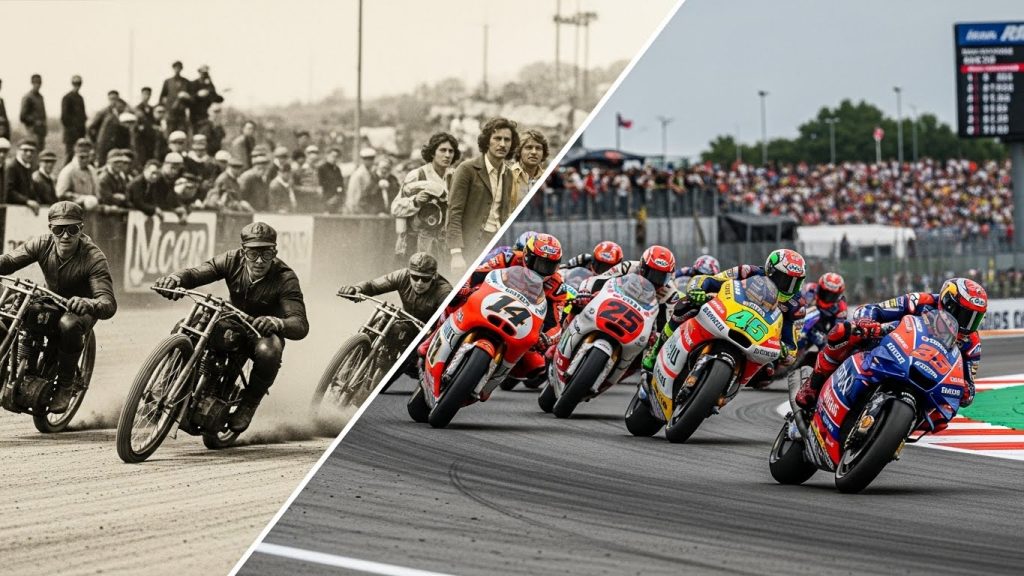
The Evolution of Motorcycle Racing: A Look Back at Its Rich History
Motorcycle racing, a sport that has captured the imagination of millions worldwide, boasts a rich and thrilling history. From its humble beginnings to the high-octane spectacle it is today, the evolution of motorcycle racing is a tale of innovation, daring, and relentless pursuit of speed. This post delves into the fascinating journey of motorcycle racing, examining its origins, pivotal moments, and the technological advancements that have shaped the sport.
The Origins of Motorcycle Racing
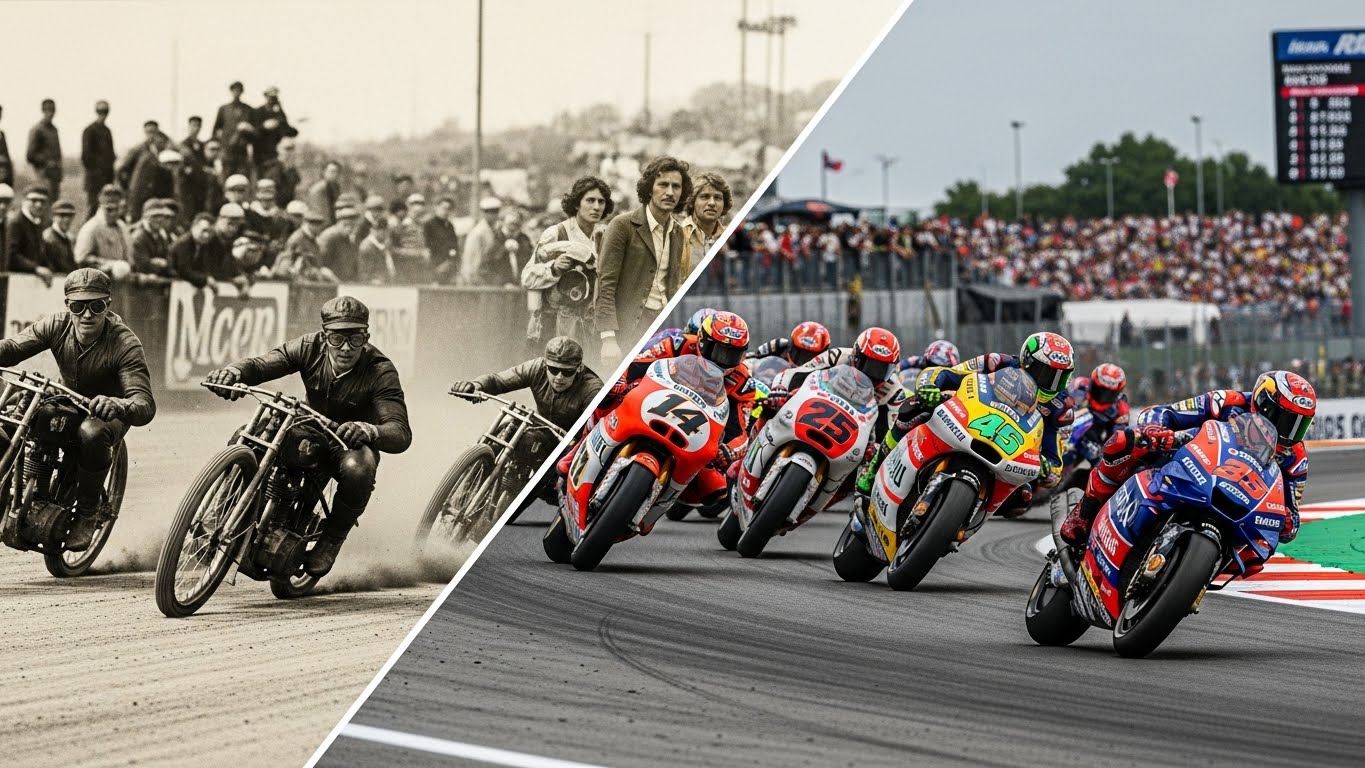
The roots of motorcycle racing can be traced back to the late 19th century, shortly after the invention of the motorcycle itself. The first official motorcycle race is believed to have taken place in 1897 in Surrey, England. This event was more of a reliability trial, aimed at showcasing the durability and performance of early motorcycles over a considerable distance.
As motorcycles gained popularity, so did the competitive spirit among riders. By the early 1900s, organized races began to appear across Europe and North America. These initial races were often held on dirt tracks, with riders pushing the limits of speed and control on their rudimentary machines.
The Birth of Iconic Races
One of the earliest and most iconic motorcycle races is the Isle of Man TT (Tourist Trophy), first held in 1907. This event quickly became a benchmark for motorcycle racing, renowned for its challenging course that winds through public roads on the Isle of Man. The TT remains one of the most prestigious races in the world, attracting top riders and manufacturers eager to test their mettle.
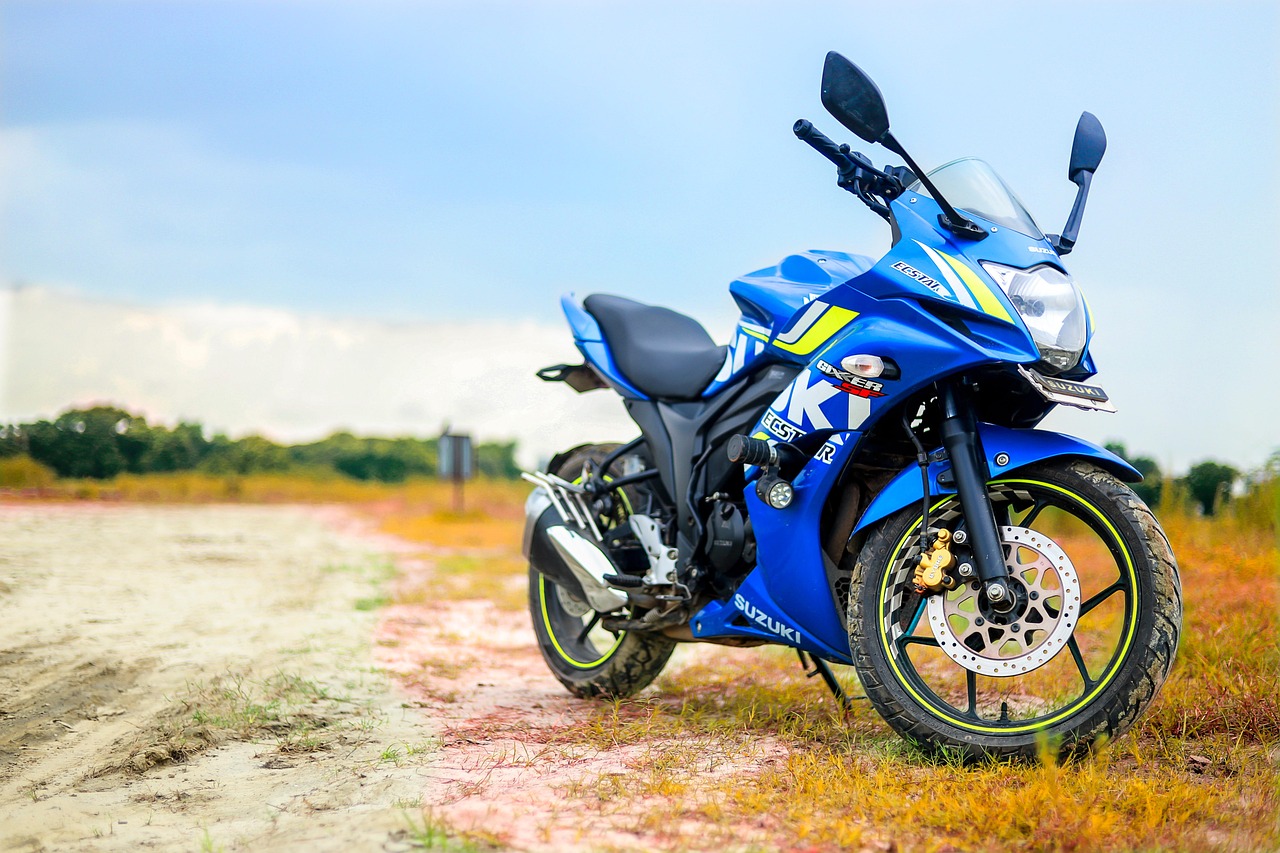
Similarly, the Daytona 200, inaugurated in 1937, has become a staple of American motorcycle racing. Held in Daytona Beach, Florida, this race has played a significant role in popularizing motorcycle racing in the United States.
Technological Advancements and Their Impact
The evolution of motorcycle racing has been heavily influenced by technological advancements. In the early days, motorcycles were simple machines with minimal power and rudimentary safety features. However, as technology progressed, so did the capabilities of these racing machines.
By the 1950s and 60s, motorcycles were equipped with more powerful engines, improved suspension systems, and better braking capabilities. The introduction of specialized racing tires also enhanced performance, allowing for greater speeds and improved handling.
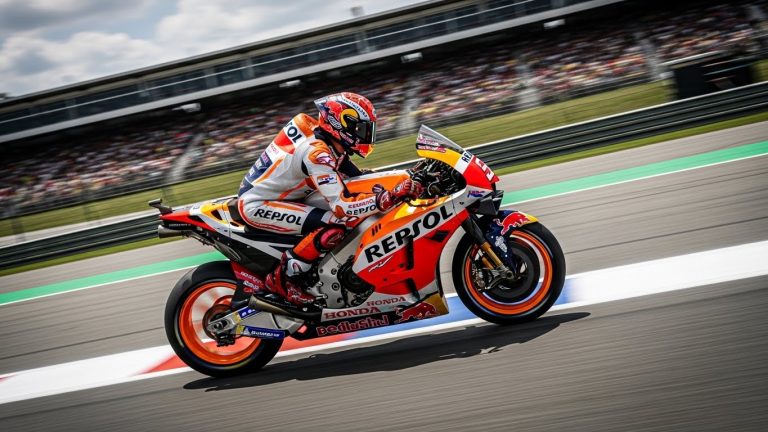
One of the most significant technological leaps in motorcycle racing came with the advent of aerodynamic design. Modern racing motorcycles, often referred to as superbikes, feature sleek, wind-tunnel-tested bodywork that reduces drag and improves stability at high speeds. These advancements have not only made the sport more thrilling but also considerably safer for riders.
Legendary Riders and Their Contributions
The history of motorcycle racing is peppered with legendary riders who have left an indelible mark on the sport. Names like Giacomo Agostini, who holds the record for the most Grand Prix motorcycle racing victories, and Valentino Rossi, known for his charismatic personality and exceptional skill, are synonymous with motorcycle racing excellence.
These riders have not only achieved remarkable success on the track but have also contributed to the sport’s development. Through their feedback and collaboration with manufacturers, they have helped drive technological advancements and inspire the next generation of racers.

The Role of Manufacturers
Motorcycle manufacturers have played a crucial role in the evolution of motorcycle racing. Companies like Honda, Yamaha, Ducati, and Suzuki have invested heavily in research and development, pushing the boundaries of what is possible in motorcycle engineering.
These manufacturers often use racing as a platform to showcase their latest technologies and innovations. Success on the racetrack not only boosts brand prestige but also translates into improved consumer models, as technologies developed for racing are adapted for everyday use.
The Global Expansion of Motorcycle Racing
While motorcycle racing began in Europe and North America, it has since expanded into a global phenomenon. Events like MotoGP and the World Superbike Championship attract international audiences and feature races on every continent.
The globalization of motorcycle racing has also led to the emergence of new talents from diverse backgrounds. Riders from countries such as Spain, Italy, and Australia have become prominent figures in the sport, further enhancing its global appeal.
The Future of Motorcycle Racing
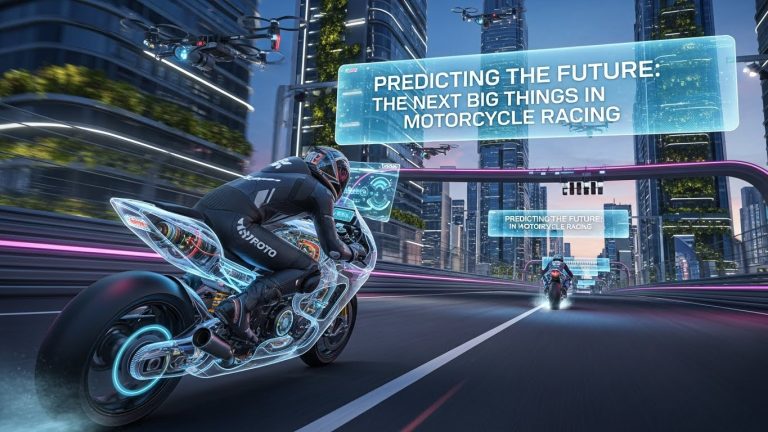
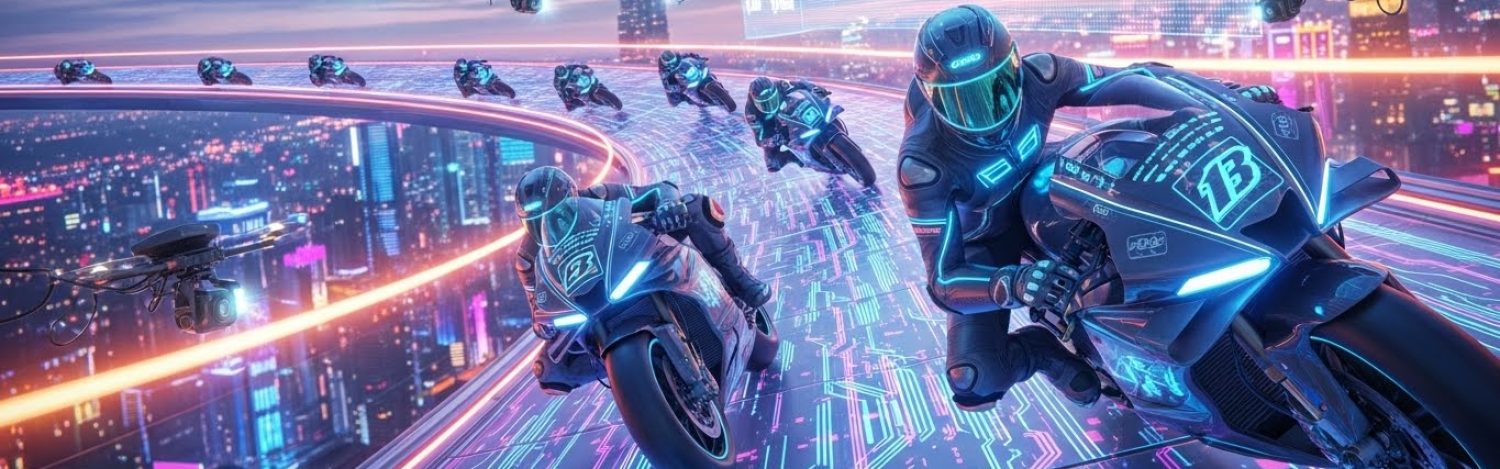
As we look to the future, motorcycle racing is poised to continue its evolution. With the rise of electric motorcycles, we may see a shift towards more sustainable and environmentally friendly racing technologies. Events like the MotoE World Cup, which features electric motorcycle racing, are already paving the way for this transition.
Moreover, advancements in data analytics and connectivity are changing how teams approach racing strategy. Real-time data collection and analysis allow for more informed decision-making, optimizing performance and enhancing the viewer experience.
Takeaways
The evolution of motorcycle racing is a testament to human ingenuity and the relentless pursuit of speed and excellence. From its early days of rudimentary machines and dirt tracks to the high-tech, high-speed world of modern racing, the sport has come a long way. With continued innovation and a global fanbase, motorcycle racing is set to thrill and inspire for generations to come.
For those interested in learning more about the history and technological advancements in motorcycle racing, explore resources like the FIM and the official MotoGP site. These platforms offer a wealth of information on past races, rider profiles, and the latest news in the world of motorcycle racing.
To witness the evolution of motorcycle technology firsthand, consider attending events like the Goodwood Festival of Speed or the Isle of Man TT. These gatherings not only celebrate the sport’s history but also offer a glimpse into its future.
Behind the Scenes: The Unsung Heroes
While the riders often take center stage, the success of motorcycle racing relies heavily on the dedicated teams working behind the scenes. Engineers, mechanics, and pit crews play crucial roles in ensuring that the motorcycles are in peak condition for every race. Their expertise and quick thinking can make the difference between victory and defeat.
These professionals work tirelessly, often under immense pressure, to make real-time adjustments and repairs during races. The coordination and precision of pit stops, where every second counts, is a testament to their skill and dedication. The evolution of racing strategies and technologies has also elevated the importance of data analysts and strategists, who crunch numbers and devise plans to outmaneuver the competition.
The Influence of Media and Sponsorship
The role of media coverage in the evolution of motorcycle racing cannot be overstated. Television broadcasts, online streaming, and social media have expanded the sport’s reach, bringing the excitement of racing to a global audience. This increased visibility has attracted sponsorships, which are vital for funding teams and events.
Major brands recognize the marketing potential of motorcycle racing, and their investments have contributed to the sport’s growth. Sponsorships enable teams to access cutting-edge technologies, attract top talent, and participate in international competitions. This symbiotic relationship between media, sponsors, and racing teams has fueled the sport’s continued evolution and popularity.
Women in Motorcycle Racing
Historically, motorcycle racing has been a male-dominated sport, but recent years have seen a growing presence of talented female riders breaking barriers and making their mark. Pioneers like Maria Costello, the first woman to achieve a podium finish at the Isle of Man TT, and Ana Carrasco, the first woman to win a motorcycle world championship, have inspired a new generation of female racers.
Organizations like the Women’s European Cup and initiatives by governing bodies aim to promote gender diversity in the sport. These efforts are paving the way for more women to participate in motorcycle racing, helping to create a more inclusive and dynamic environment.
Safety Innovations in Motorcycle Racing
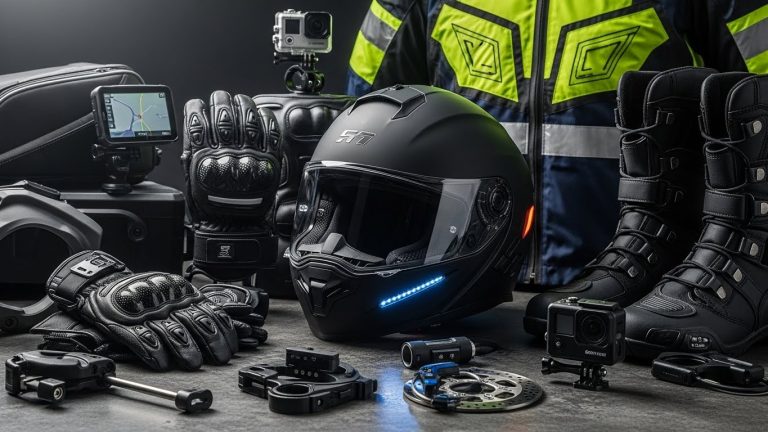
As the sport has evolved, so too has the emphasis on rider safety. High-speed crashes are an inherent risk in motorcycle racing, but innovations in safety gear and track design have significantly reduced the severity of injuries. Modern helmets, made from advanced materials, offer superior protection against impact and are subject to rigorous testing standards.
Racing suits equipped with airbag technology have become commonplace, providing additional protection to riders in the event of a fall. These suits can inflate within milliseconds of detecting a crash, safeguarding vital areas like the neck, spine, and chest. Additionally, ongoing improvements in track safety features, such as better barriers and runoff areas, contribute to creating a safer racing environment.
Environmental Considerations and Sustainability
As the world becomes more conscious of environmental issues, motorcycle racing is evolving to address these concerns. The shift towards electric racing is a significant step in this direction, with events like the MotoE World Cup showcasing electric motorcycles that offer high performance with zero emissions.
Racing organizations are also exploring sustainable practices in event management, from minimizing waste to using renewable energy sources. These efforts reflect a commitment to reducing the sport’s environmental footprint while maintaining the thrill and excitement that fans have come to expect.
Takeaways
The evolution of motorcycle racing is a thrilling saga of speed, innovation, and passion. From the early days of rudimentary machines to the sophisticated, high-performance motorcycles of today, the sport has continually pushed the limits of what is possible. As technology advances and the sport becomes more inclusive and environmentally conscious, motorcycle racing is set to captivate audiences and inspire future generations of racers.
By embracing change and innovation, the world of motorcycle racing will continue to soar to new heights. Whether you’re a seasoned fan or a newcomer to the sport, the rich history and exciting future of motorcycle racing offer something for everyone to enjoy.