Adventures on Two Wheels: A Brazilian Teacher’s Journey to Oxford
Updated: April 9, 2026
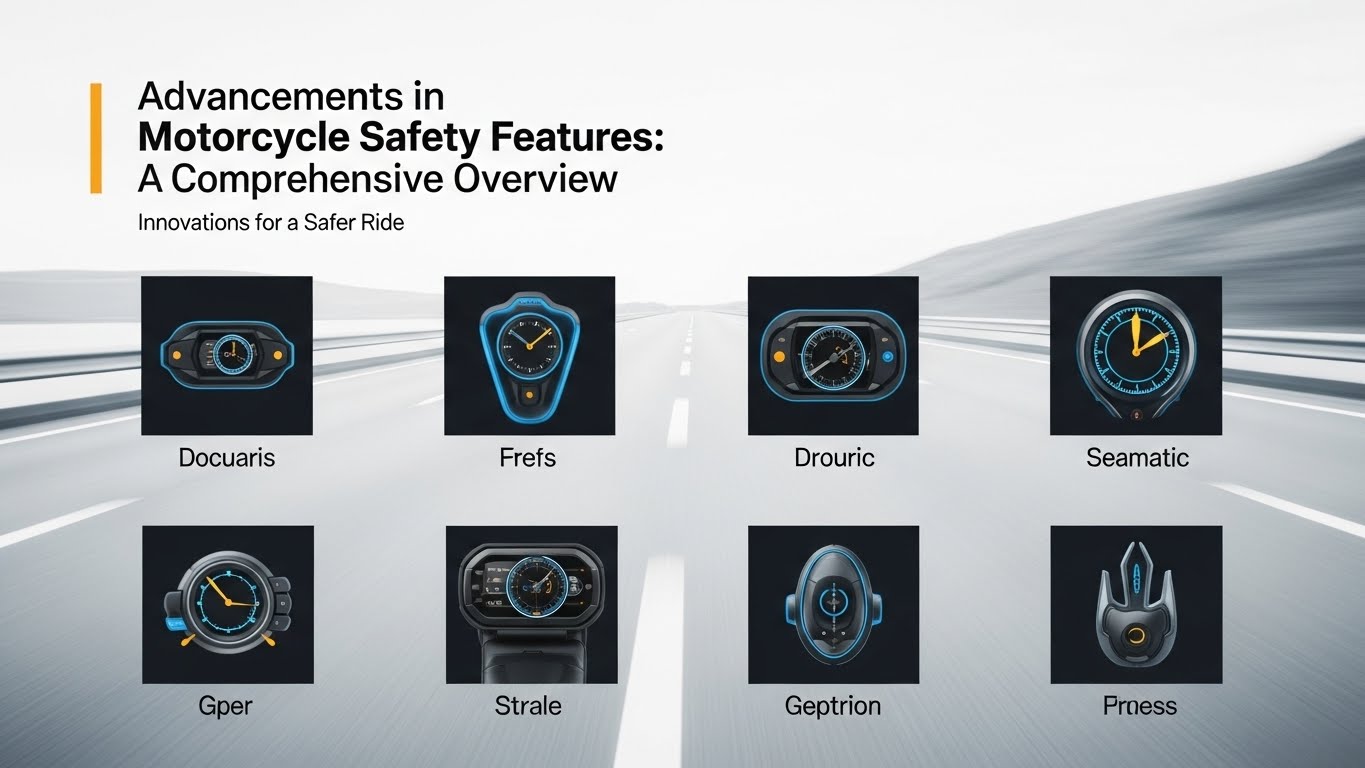
Advancements in Motorcycle Safety Features: A Comprehensive Overview
The motorcycle industry has witnessed significant advancements in safety features over the past few decades. With the increasing focus on rider safety, manufacturers and researchers are continuously working on innovative technologies and features that can reduce the risks associated with riding motorcycles. This comprehensive overview delves into the latest advancements in motorcycle safety features, exploring the technology, benefits, and impact on the industry.
The Evolution of Motorcycle Safety
Motorcycle safety has evolved tremendously since the early days of motorcycling. Initially, the focus was primarily on improving the mechanical reliability of motorcycles. However, as the popularity of motorcycles grew, so did the need for enhanced safety features to protect riders.
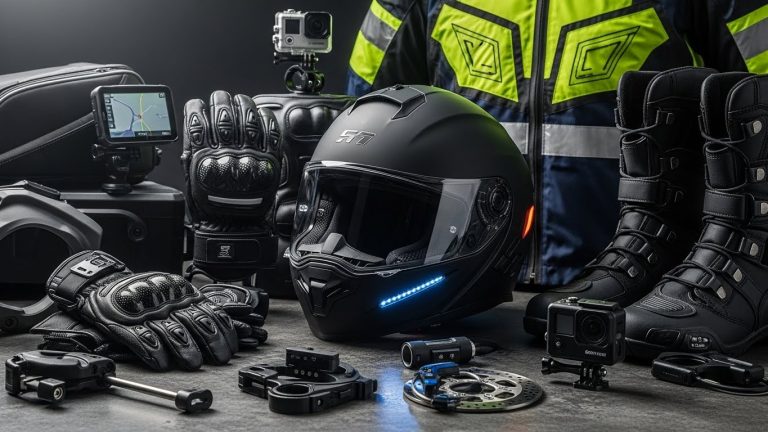
One of the earliest significant advancements was the introduction of the motorcycle helmet, which became a crucial safety component. Over time, other protective gear, such as jackets, gloves, and boots, were developed to provide additional protection. However, the technological advancements of the 21st century have ushered in a new era of motorcycle safety features.
Advanced Rider Assistance Systems (ARAS)
Advanced Rider Assistance Systems (ARAS) are revolutionizing motorcycle safety. These systems use a combination of sensors, cameras, and radar to provide real-time data and assistance to riders. Key components of ARAS include:
- Adaptive Cruise Control (ACC): ACC automatically adjusts the motorcycle’s speed to maintain a safe distance from vehicles ahead. This feature enhances rider comfort on long journeys and reduces the risk of rear-end collisions.
- Blind Spot Detection: This feature alerts riders to vehicles in their blind spots, thereby reducing the chances of side-swipe accidents.
- Collision Warning Systems: These systems provide visual and auditory warnings to alert riders of potential collisions, allowing them to take evasive action.
Enhanced Braking Systems

Braking technology has seen significant improvements aimed at increasing rider safety. Modern motorcycles are equipped with advanced braking systems that provide better control and stopping power, including:
- Anti-lock Braking System (ABS): ABS prevents wheel lock-up during sudden braking, maintaining traction and stability. According to the Insurance Institute for Highway Safety, motorcycles with ABS are 37% less likely to be involved in fatal crashes.
- Combined Braking Systems (CBS): CBS distributes brake force between the front and rear wheels, offering balanced braking and improved control, especially for inexperienced riders.
Traction Control Systems
Traction control systems have become a standard feature on many modern motorcycles. These systems prevent wheel spin during acceleration by adjusting engine power or applying brakes. Traction control is particularly beneficial in wet or slippery conditions, enhancing rider confidence and safety.
Airbag Technology
Motorcycle airbag technology has made significant strides, with various designs available to protect riders during accidents. There are currently two main types of airbag systems:
- Bike-mounted Airbags: Embedded within the motorcycle, these airbags deploy in the event of a frontal collision, reducing the impact force on the rider.
- Wearable Airbags: Integrated into jackets or vests, these airbags provide protection to the rider’s chest, back, and neck. They are activated by sensors that detect a crash, deploying rapidly to cushion the rider upon impact.
Smart Helmets
Smart helmets are becoming increasingly popular, offering riders a combination of safety and convenience features. Equipped with built-in communication systems, GPS navigation, and even heads-up displays, these helmets enhance situational awareness and reduce distractions. Some smart helmets also include crash detection sensors that can alert emergency services in case of an accident.
Lighting and Visibility Enhancements
Improving visibility is a key aspect of motorcycle safety. Advanced lighting systems, such as LED and adaptive headlights, ensure better illumination of the road and increase the motorcycle’s visibility to other road users. Additionally, reflective materials and customizable lighting patterns enhance the conspicuity of motorcycles, reducing the likelihood of accidents.
Connectivity and Data Sharing
The integration of connectivity features in motorcycles is transforming safety protocols. Many modern motorcycles are equipped with connectivity systems that allow data sharing between vehicles and infrastructure. This technology, often referred to as V2X (vehicle-to-everything) communication, enables real-time updates on traffic conditions, road hazards, and emergency services, significantly enhancing rider safety.
Takeaways
As the motorcycle industry continues to evolve, so do the safety features designed to protect riders. From advanced rider assistance systems to smart helmets and connectivity solutions, the advancements in motorcycle safety are paving the way for a safer riding experience. Manufacturers and researchers remain committed to developing innovative technologies that address the unique challenges faced by motorcyclists.
While technology plays a crucial role in enhancing safety, it is equally important for riders to invest in proper training and adhere to safety guidelines. By combining technological advancements with responsible riding practices, the motorcycle community can look forward to a future with fewer accidents and enhanced safety on the roads.
The Role of Government and Industry Standards
Government regulations and industry standards play a pivotal role in promoting motorcycle safety. Regulatory bodies across the globe are increasingly implementing stringent safety standards that manufacturers must adhere to. These standards ensure that motorcycles are equipped with the latest safety features, helping to protect riders and reduce accident rates.
For instance, the National Highway Traffic Safety Administration (NHTSA) in the United States sets guidelines for motorcycle safety, including mandatory ABS on certain classes of motorcycles. Similarly, the European Union has mandated ABS on all new motorcycles above 125cc, significantly contributing to a decrease in accidents.
Challenges and Future Prospects
Despite the advancements, there are challenges that need to be addressed to further improve motorcycle safety. One of the primary challenges is the integration of these technologies into low-cost models without significantly raising prices, which could make them less accessible to a broad range of riders.
Moreover, while technology continues to enhance safety, it is crucial to ensure that riders are adequately trained to utilize these features effectively. Misuse or overreliance on technology can sometimes lead to complacency, which may counteract the safety benefits.
Looking ahead, the future of motorcycle safety is promising, with ongoing research into autonomous technology, self-balancing systems, and more advanced connectivity solutions. As these technologies mature, they are expected to provide even greater protection for riders, making motorcycling a safer mode of transportation.
Motorcycle Safety Education and Awareness
Education and awareness are integral components of motorcycle safety. Rider training programs, such as those offered by the Motorcycle Safety Foundation (MSF), provide essential skills and knowledge that help riders operate their motorcycles safely and confidently. These programs cover everything from basic riding skills to advanced maneuvers and defensive riding techniques.
Additionally, public awareness campaigns play a significant role in promoting motorcycle safety. These campaigns aim to educate both riders and other road users about sharing the road safely and understanding the unique challenges faced by motorcyclists.
Impact of Safety Features on Insurance and Costs
The integration of advanced safety features has a notable impact on motorcycle insurance rates. Insurers often offer discounts to riders who own motorcycles equipped with features such as ABS, traction control, and ARAS. These features are associated with a lower risk of accidents, which in turn reduces the likelihood of insurance claims.
However, the initial cost of acquiring motorcycles with advanced safety features can be higher. Manufacturers are working to balance the cost of implementing these technologies with affordability to ensure that safety advancements are accessible to all riders.
Takeaways
The advancements in motorcycle safety features underscore a transformative period in the motorcycle industry. With continuous innovations in technology, riders are better equipped than ever to navigate the roads safely. From advanced braking systems and smart helmets to connectivity and government regulations, each element contributes to a comprehensive safety ecosystem.
Ultimately, the commitment to motorcycle safety is a shared responsibility among manufacturers, governments, and riders. By embracing technology, adhering to safety standards, and promoting education and awareness, the industry can continue to make significant strides in reducing accidents and enhancing the riding experience for everyone involved.
As the industry moves forward, one thing remains clear: the future of motorcycling is not only exciting but also increasingly safer, thanks to the relentless pursuit of safety innovations.
Community and Manufacturer Collaboration
Collaboration between the motorcycle community and manufacturers is key to driving further advancements in safety. Rider feedback provides valuable insights into the real-world effectiveness of safety features, enabling manufacturers to refine and improve their offerings. Many manufacturers actively engage with motorcycle clubs and forums to gather such feedback and promote discussions around safety improvements.
In addition, industry events and forums, like the EICMA Motorcycle Show, serve as platforms where manufacturers can showcase the latest safety technologies and gather responses from riders and experts alike. These interactions are critical for aligning product development with the actual needs and preferences of the riding community.
The Role of Technology Companies
Technology companies have become increasingly involved in the development of motorcycle safety features. Partnerships between motorcycle manufacturers and tech firms have led to innovations such as integrated communication systems and GPS navigation that are tailored specifically for motorcyclists. For example, companies specializing in radar and sensor technologies have been instrumental in advancing features like adaptive cruise control and collision avoidance systems.
Furthermore, the rise of IoT (Internet of Things) has opened new possibilities for connected motorcycles. Through IoT, motorcycles can communicate with other vehicles and infrastructure to provide real-time updates on traffic conditions and potential hazards, significantly enhancing situational awareness and safety.
Environmental Considerations
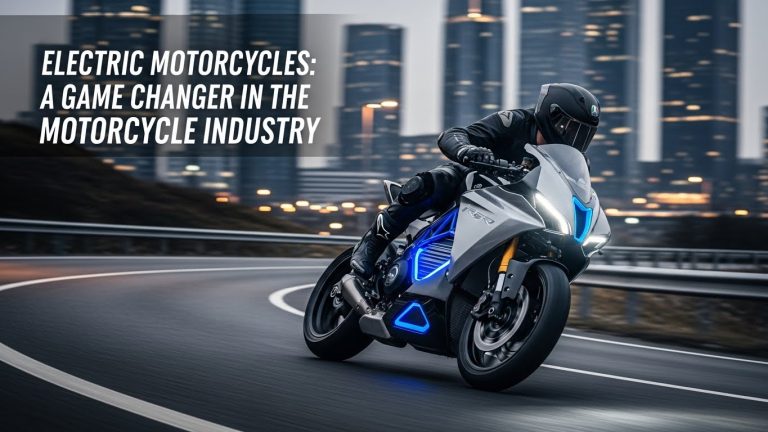
As the world shifts towards more sustainable practices, the motorcycle industry is also exploring eco-friendly safety solutions. Electric motorcycles are becoming more prevalent, and manufacturers are considering how these vehicles can incorporate safety features such as regenerative braking systems, which not only contribute to rider safety but also improve energy efficiency.
The integration of sustainable materials in safety gear and motorcycle components is another area of focus. By using materials that are both protective and environmentally friendly, manufacturers are addressing the dual priorities of safety and sustainability.
Customization and Personalization
Modern motorcycle safety features are increasingly customizable, allowing riders to tailor their safety systems to their personal preferences and riding styles. For instance, adjustable traction control and ride modes enable riders to optimize performance and safety based on their skill level and road conditions.
Additionally, personalized data from smart helmets and connected systems can provide riders with insights into their riding habits, helping them make informed decisions to enhance their safety. This data-driven approach empowers riders to continuously improve their skills and adopt safer riding practices.
Final Thoughts
The ongoing advancements in motorcycle safety features demonstrate a profound commitment to reducing risks and improving the riding experience. As technology continues to evolve, it is essential for riders to stay informed about the latest safety innovations and to embrace these technologies responsibly.
While manufacturers and technology companies lead the way in developing cutting-edge safety features, riders must also play an active role by participating in safety training and staying informed about best practices. Together, these efforts contribute to a safer and more enjoyable motorcycling future.
In summary, the landscape of motorcycle safety is rapidly changing, driven by technological advancements and collaborative efforts within the industry. By remaining focused on innovation and safety, the motorcycle community can look forward to a future that prioritizes the well-being of riders on every journey.